About Pulse Medical Assistant School
Pulse is built around a simple idea: you shouldn't have to quit your job or take on a loan to start a career in healthcare. We teach online, bring you into a real lab four times, and place you in a working medical office before you graduate — all in 16 weeks.


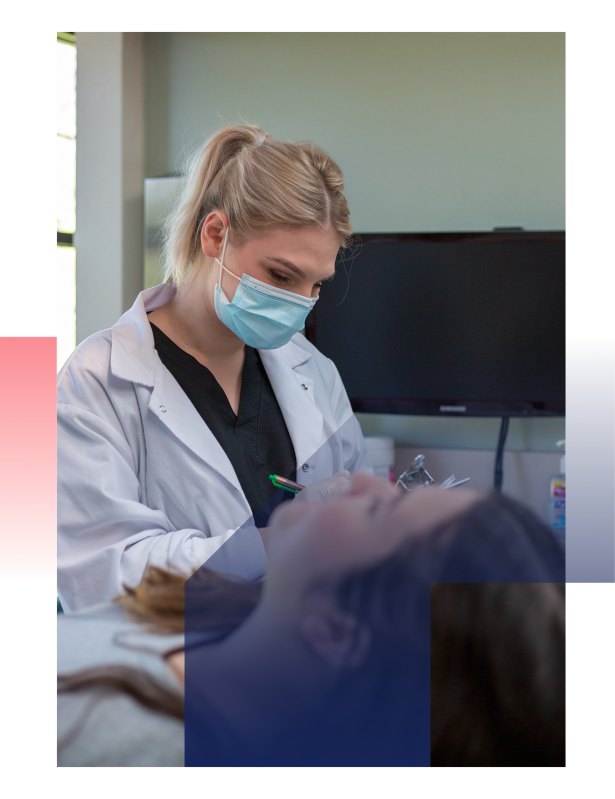
Why Pulse Exists
Healthcare needs medical assistants. The Bureau of Labor Statistics projects the field will grow 12 percent between 2024 and 2034 — much faster than the average across all occupations. But the traditional route in asks for two years and a student loan, and most people looking to make the change can afford neither.
Pulse is a Zollege school. Zollege was founded in 2010 by Dr. Thomas Ince, a dentist who couldn't find well-trained assistants to hire and decided to train them himself. His brother Ryan, a physician, ran into the same problem on the medical side. The Pulse program is what came out of that — the same accelerated, hands-on approach, rebuilt for medical assisting.
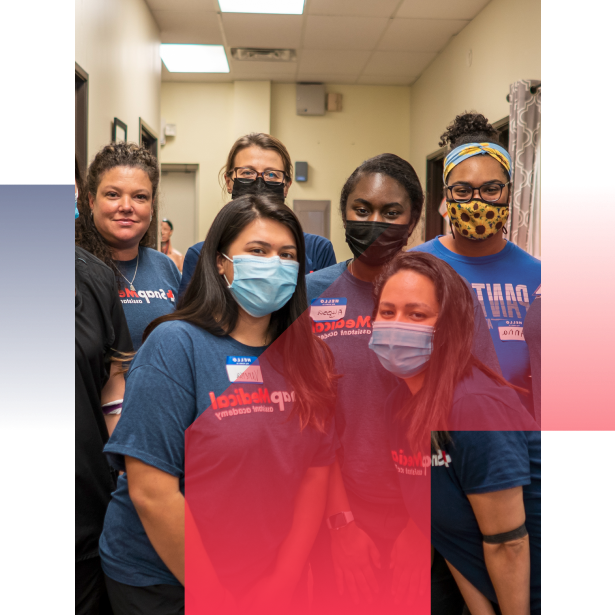
How the Program Works
Pulse is online-first, not online-only. That distinction is the whole point.
You attend a live online class once a week, 60 to 90 minutes, in the evening. You work through the rest of the coursework on your own schedule. Four times across the program — about once a month, on a Saturday — you come into a lab and practice phlebotomy, injections, EKG lead placement, vital signs, and wound care on real people, with an instructor beside you.
Then you spend 80 hours in a working medical office before you graduate. Online-only programs can leave you walking into a clinic having never drawn blood. You won't.

A Faster Path Into Healthcare
Medical assisting is one of the fastest-growing roles in healthcare. The U.S. Bureau of Labor Statistics projects 13 percent employment growth between 2025 and 2035, much faster than the average across all occupations, and reports a national median wage of $45,690 a year.
A traditional path to a healthcare credential can mean years of school and a loan you carry long after you finish. Pulse takes 16 weeks, and you pay for it a week at a time — no loans, no interest, no credit check.
Source: U.S. Bureau of Labor Statistics, Occupational Outlook Handbook (May 2025)
