10 Soft Skills Every Medical Assistant Should Develop
10 Soft Skills Every Medical Assistant Should Develop
Medical assistants play a vital role in today’s healthcare system, supporting physicians, caring for patients, and ensuring clinics and hospitals run efficiently. While clinical knowledge and technical training are essential, soft skills are what truly set outstanding medical assistants apart. These people-focused, communication-driven abilities help medical assistants build trust with patients, collaborate with medical teams, and respond effectively in fast-paced environments.
Whether you’re just entering the field or looking to strengthen your professional abilities, developing strong soft skills can make a major difference in your career growth and daily success. Below are 10 of the most important soft skills every medical assistant should cultivate—even before beginning your first day on the job.
Communication Skills
Clear communication is the backbone of the medical assistant role. You communicate with patients, physicians, nurses, and administrative staff—sometimes all within the same hour. Effective communication ensures that patients understand instructions, feel supported, and remain confident in their care.
Strong communication also reduces errors. Whether you’re relaying a patient’s symptoms to the doctor or explaining pre-procedure guidelines, being able to convey information accurately and compassionately is key. Verbal communication, active listening, and written communication all matter in this role.
Empathy and Compassion
Medical environments can feel overwhelming and emotional for patients. Medical assistants who demonstrate empathy help ease their fears and build trust. Compassionate care includes understanding a patient’s experience, validating their feelings, and offering support without judgment.
This soft skill becomes especially important when working with children, elderly patients, or individuals with chronic conditions. A medical assistant who approaches every patient with kindness contributes significantly to a positive healthcare experience.
Attention to Detail
In medical settings, even small mistakes can have serious consequences. That’s why attention to detail is one of the most essential soft skills for medical assistants. From recording patient vitals to updating electronic health records (EHRs), accuracy matters.
Attention to detail also helps prevent miscommunications, scheduling conflicts, or medication errors. Medical assistants must be able to focus, follow protocols, and double-check their work to ensure that nothing falls through the cracks.
Multitasking and Time Management
Medical assisting is a fast-paced career with shifting priorities throughout the day. You might be checking in a patient, answering a phone call, preparing an exam room, and assisting with a procedure—all within minutes of each other.
Effective multitasking and strong time management allow you to shift between responsibilities without feeling overwhelmed. These skills also help you anticipate needs before they arise, improving efficiency for the entire healthcare team.
Teamwork and Collaboration
Medical assistants rarely work alone. In nearly every healthcare environment, you’re part of a larger team that may include physicians, nurses, specialists, administrative coordinators, and other support staff.
Being a strong team player means knowing how to communicate respectfully, offer help proactively, and support coworkers when the clinic gets busy. Collaboration helps create a positive work culture and ensures that patient care remains consistent and high quality.
Problem-Solving Abilities
Unexpected challenges happen daily in healthcare. A patient may need additional support, a doctor may require last-minute assistance, or technology might go down in the middle of the workday. Medical assistants with strong problem-solving abilities can assess a situation quickly and take action to keep things moving.
Problem-solving isn’t just about fixing issues—it’s also about anticipating them. By staying adaptable and thinking critically, medical assistants can help maintain smooth clinic operations while keeping patients safe and comfortable.
Professionalism
Professionalism is a cornerstone of healthcare. It includes being punctual, respectful, and maintaining patient confidentiality. It also means adhering to ethical standards, responding appropriately to stressful situations, and presenting yourself in a way that reflects positively on the healthcare organization.
Medical assistants with strong professionalism earn trust from employers, patients, and coworkers. It’s a quality that strengthens your reputation and opens doors to future career advancement.
Adaptability and Flexibility
Healthcare environments are constantly changing. New technologies, updated protocols, revised schedules, and last-minute emergencies can shift your day without warning. Medical assistants must be flexible enough to adjust quickly while maintaining a calm and supportive presence.
Adaptability also applies to learning new skills. As healthcare evolves, medical assistants who embrace change will stay valuable and competitive in the job market.
Emotional Resilience
Medical assistants experience long days, sudden challenges, and emotionally charged interactions. Emotional resilience helps you stay grounded, manage stress, and provide quality care—even during the toughest moments.
Developing resilience doesn’t mean ignoring stress. Instead, it’s about recognizing your limits, practicing healthy coping strategies, and knowing when to ask for support. Medical assistants who cultivate emotional strength are better equipped to handle the demands of patient care while avoiding burnout.
Patient Education Skills
A significant part of the medical assistant role involves teaching patients about medications, follow-up instructions, lifestyle recommendations, or upcoming procedures. To educate patients effectively, you need to be patient, clear, and able to explain complex topics in an understandable way.
Patient education helps improve health outcomes and reduces confusion after appointments. Medical assistants who excel in this area become trusted guides for patients navigating their care plans.
Soft Skills Shape Your Career Success
Developing strong soft skills is just as important as mastering the clinical and technical skills required to become a medical assistant. These abilities help you connect with patients, support healthcare teams, and navigate the fast-paced nature of medical environments. Soft skills also play a major role in long-term career growth, opening doors to leadership roles, specialty areas, and more rewarding job opportunities.
The good news is that soft skills can be learned, strengthened, and continually improved. With the right training program and hands-on experience, you can build the interpersonal and communication abilities you need to thrive.
Start Your Medical Assistant Career With the Confidence to Care
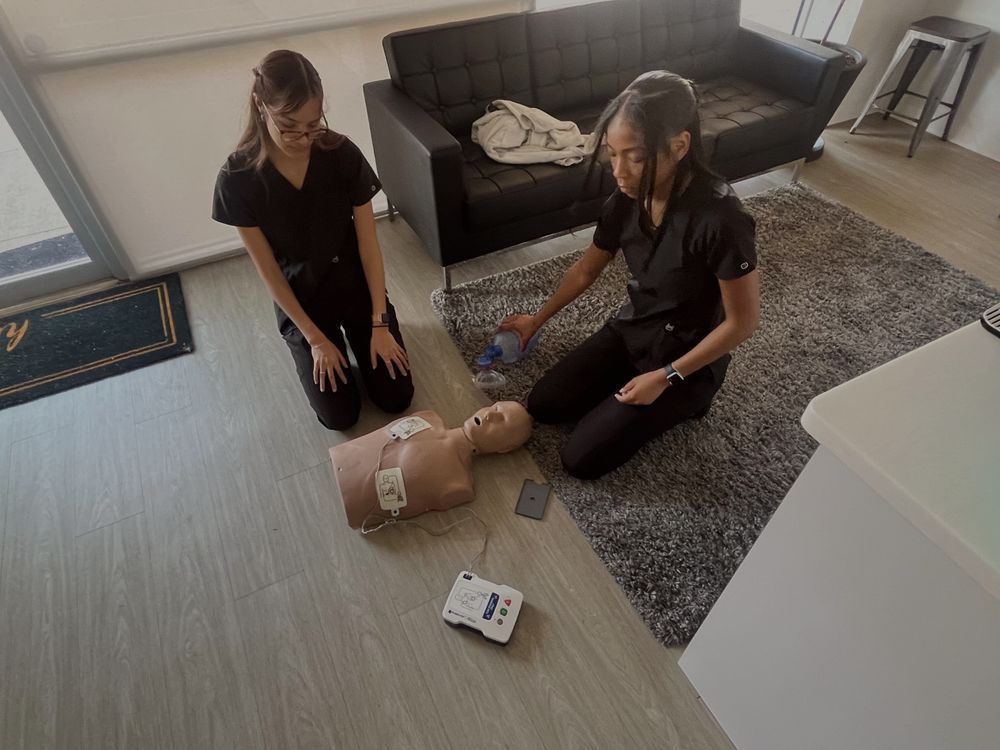
If you’re ready to build both the technical and soft skills required to succeed in healthcare, Pulse Medical Assistant School can help. Pulse is an online-first, 16-week medical assistant program that combines flexible virtual learning with intensive, in-person labs. These labs give aspiring medical assistants the hands-on experience and confidence they need to help real patients receive real care.
Whether you’re starting a new career or transitioning into healthcare, Pulse prepares you with the training and support you need to thrive in clinics, hospitals, or specialty practices.
You're only a few months from the medical assistant career you deserve.