11 Communication Skills Every Medical Assistant Should Master
11 Communication Skills Every Medical Assistant Should Master
Effective communication is one of the most valuable skills a medical assistant can develop. Every day, medical assistants interact with patients, providers, families, labs, insurance teams, and front-office staff. The ability to communicate clearly, professionally, and compassionately strengthens patient care and keeps healthcare settings running smoothly. In short, exceptional communication can elevate both your performance and your long-term career potential.
Because medical assistants bridge clinical and administrative work, their communication habits directly influence patient comfort, provider efficiency, and overall workflow. When you can translate medical information into language that patients understand, relay accurate updates to physicians, handle questions with confidence, and maintain professionalism under pressure, you become an indispensable part of the care team. Below are 11 essential communication skills every medical assistant should master to succeed in any healthcare environment.
Active Listening
Medical assistants spend a large portion of their day receiving information—from patient symptoms to provider instructions—and active listening ensures nothing gets missed. Active listening means giving your full attention, asking clarifying questions, and repeating information back to confirm accuracy. Patients feel more respected when they know they’re being heard, and providers rely on medical assistants who catch details the first time. Strong active listening reduces errors, saves time, and builds trust across the care team.
Clear Patient Communication
Patients often arrive nervous, confused, or overwhelmed. A medical assistant who can explain procedures, check-in steps, lab instructions, or follow-up directions using simple, everyday language plays a major role in creating a positive patient experience. Clear communication helps patients feel prepared and reassured, while also decreasing the number of call-backs or missteps that happen when instructions are misunderstood.
Professional Phone Etiquette
Phones remain a constant communication channel in medical offices, and patients frequently judge a clinic’s professionalism based on phone interactions. Medical assistants must learn how to speak clearly, verify patient information, place callers on hold respectfully, and relay messages accurately. Professional phone etiquette also helps avoid scheduling confusion, billing misunderstandings, and delayed responses from providers.
Empathy and Compassion
Being medically informed isn’t always enough—patients need kindness and understanding. Medical assistants who communicate with empathy can calm anxious patients, create a sense of safety, and build rapport. Even small gestures, such as acknowledging a patient’s concerns or validating their feelings, can transform the healthcare experience. Compassionate communication also helps reduce stress during difficult moments like vaccinations, chronic illness updates, or long wait times.
Nonverbal Communication Awareness
Much of communication happens without words. Medical assistants should be aware of their facial expressions, posture, eye contact, and tone of voice, especially when working with patients who may be nervous or uncomfortable. Maintaining relaxed posture, offering a warm greeting, and showing attentiveness during conversations can help patients feel welcome and supported. Nonverbal communication also helps providers quickly interpret urgency, workflow needs, or patient emotions.
Accurate Information Relay
Medical assistants frequently serve as the communication link between patients and providers. This includes relaying symptoms, medical history updates, test results (when allowed), treatment instructions, and urgent concerns. Accuracy matters. Misinterpreting or forgetting details can lead to delays, errors, or misunderstandings. Medical assistants should double-check spelling, dates, medication names, and instructions to ensure providers receive reliable, complete information every time.
Patient Education Skills
A large part of a medical assistant’s role involves teaching patients how to follow medical advice. Whether explaining how to prepare for a procedure, how to take a medication, or how to navigate follow-up appointments, effective patient education requires patience, clarity, and repetition. Skilled communicators tailor explanations to the patient’s level of understanding and use visuals, demonstrations, or written instructions when needed. Good patient education improves outcomes and keeps clinics running efficiently.
Conflict Resolution and De-Escalation
Healthcare environments can be stressful, and medical assistants sometimes encounter frustrated patients, confused family members, or miscommunications between staff. Having the communication skills to calm situations, listen non-defensively, and offer solutions is essential. Conflict resolution involves staying calm, maintaining professionalism, and acknowledging concerns while guiding conversations toward resolution. A skilled medical assistant can turn tense moments into opportunities to build trust and demonstrate professionalism.
Written Communication Accuracy
From chart notes to appointment reminders, written communication is a major part of medical assisting. Clear, concise, error-free writing helps maintain accurate medical records, improves coordination between care team members, and supports reliable patient documentation. Medical assistants should be comfortable with spelling medical terminology correctly, writing detailed notes, proofreading work, and following documentation standards. Good writing prevents confusion, protects patients, and supports the entire clinical workflow.
Cultural Competence and Inclusive Communication
Medical assistants work with patients from diverse cultural, linguistic, and socioeconomic backgrounds. Cultural competence means being respectful of different beliefs, communication styles, and expectations. It also includes avoiding assumptions, using inclusive language, and showing sensitivity to cultural norms that may affect patient comfort or understanding. By communicating respectfully and inclusively, medical assistants help create welcoming environments where every patient feels valued and understood.
Time Management and Prioritization Communication
Medical assistants juggle many responsibilities—rooming patients, taking vitals, assisting physicians, handling paperwork, managing phone calls, and coordinating schedules. Clear communication about time constraints, priorities, and workflow helps teams stay aligned. Letting providers know when a task will take additional time or informing the front desk about patient flow can prevent bottlenecks. Sharing timely updates ensures the entire team works smoothly, especially in busy clinics.
Become a Confident, Highly Skilled Communicator with Pulse Medical Assistant School
Become a Confident, Highly Skilled Communicator with Pulse Medical Assistant School Mastering communication skills is one of the best ways to grow as a medical assistant and build a successful healthcare career. If you’re ready to gain real-world skills, hands-on experience, and the confidence to support both patients and providers, Pulse Medical Assistant School is here to help.
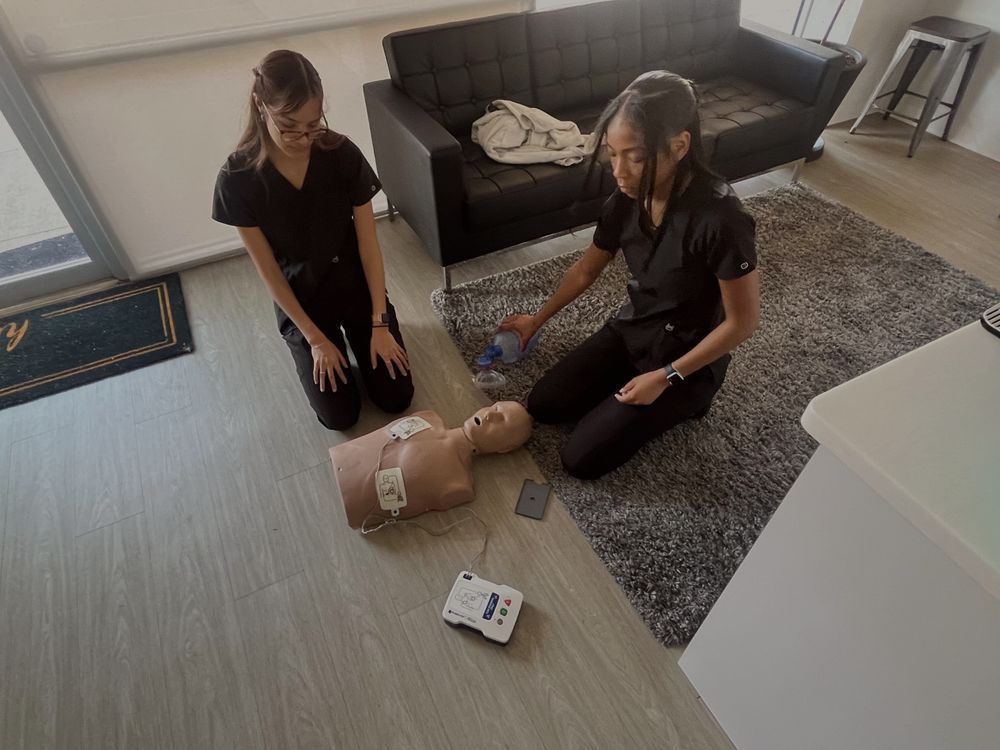
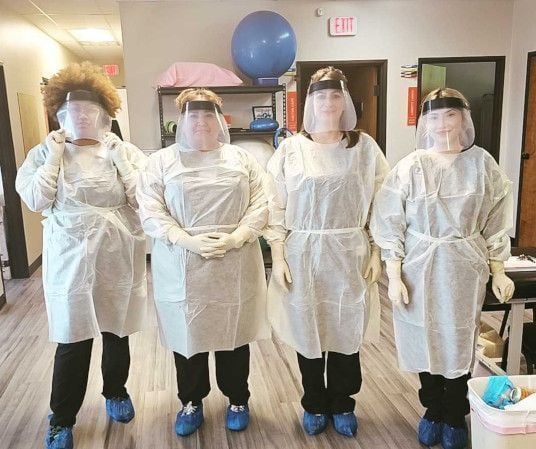
Pulse is an online-first, 16-week medical assistant training program that blends flexible virtual coursework with intensive, in-person labs. This hybrid approach ensures you build strong communication skills while also practicing essential clinical tasks in a real healthcare environment. Pulse prepares you to support real patients, work alongside real providers, and step confidently into your medical assistant career.
You're only a few months from the medical assistant career you deserve.