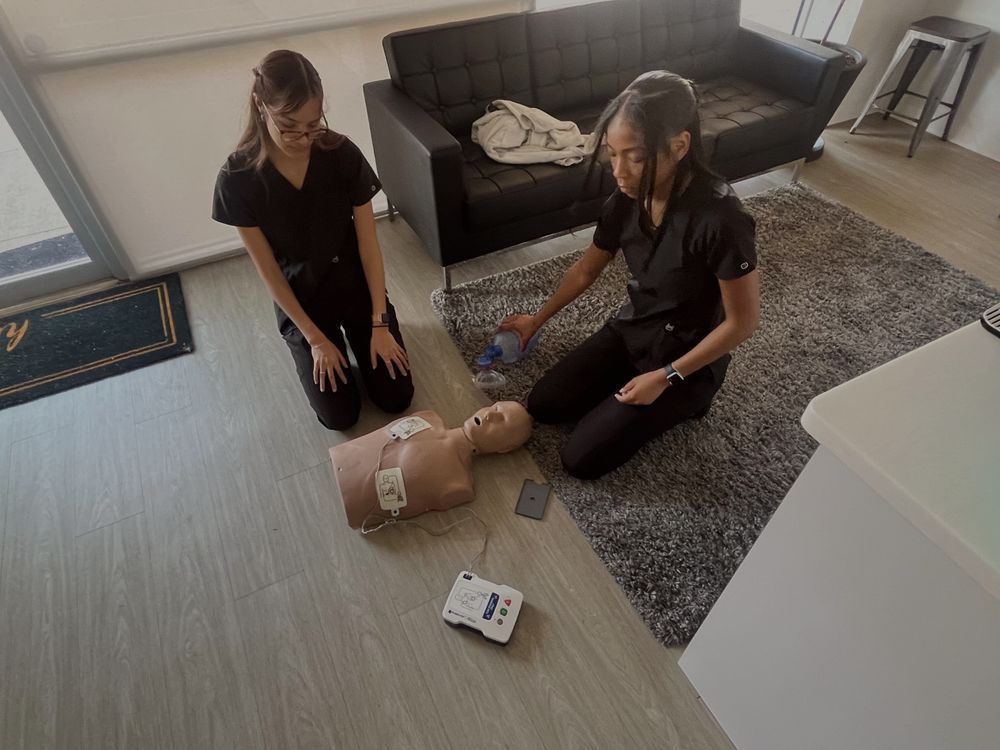
12 Places Where Medical Assistants Can Work
12 Places Where Medical Assistants Can Work
Medical assistants play a crucial role in the healthcare system by supporting medical professionals and enhancing patient care. Their versatility allows them to work in various settings, each offering unique experiences and responsibilities. This article outlines twelve potential workplaces for medical assistants.
- Hospitals
Hospitals are one of the largest employers of medical assistants, offering a diverse range of environments:
- Emergency Departments: Medical assistants assist in triaging patients and managing paperwork.
- Outpatient Clinics: They help with patient check-ins and follow-up appointments.
- Inpatient Care Units: Assisting nurses and doctors with patient care and monitoring is common.
- Private Practices
Private practices provide a more personal healthcare setting. Medical assistants in these environments may work in:
- Family Medicine: They support general practitioners in managing patient records and appointments.
- Pediatric Offices: Assisting with child patients’ needs and routine check-ups is a key function.
- Specialty Clinics: Medical assistants help in specialized fields such as dermatology or cardiology by preparing patients for examinations.
- Urgent Care Centers
Urgent care centers offer a fast-paced work environment. Responsibilities include:
- Fast-Paced Environment: Medical assistants handle a variety of minor emergencies.
- Variety of Cases: They encounter different health issues, which enhances their experience.
- Flexible Hours: Many urgent care centers offer evenings and weekend shifts.
- Long-Term Care Facilities
Long-term care facilities focus on elderly and disabled populations. Medical assistants may work in:
- Nursing Homes: Providing daily care and assistance to residents.
- Assisted Living Facilities: Supporting residents with routine activities and healthcare needs.
- Rehabilitation Centers: Helping patients recover from surgeries or illnesses.
- Outpatient Care Centers
Outpatient care centers specialize in treatments that do not require overnight stays. Medical assistants can find roles in:
- Surgical Centers: Assisting with pre-operative preparations and post-operative care.
- Diagnostic Imaging Centers: Helping patients understand procedures and manage appointments.
- Physical Therapy Clinics: Supporting therapists in patient rehabilitation exercises.
- Community Health Clinics
Community health clinics focus on serving underserved populations. Medical assistants may engage in:
- Serving Underserved Populations: Providing essential healthcare services to those in need.
- Preventive Care: Assisting in immunizations and screenings.
- Health Education: Educating patients on health topics and resources.
- Home Health Care
Home health care allows medical assistants to work directly with patients in their homes, focusing on:
- In-Home Patient Assistance: Providing personal care and medical support in a familiar environment.
- Chronic Condition Management: Helping patients manage ongoing health issues.
- Personalized Care Plans: Tailoring care to meet individual patient needs.
- Research Facilities
Research facilities often require medical assistants for various tasks, including:
- Clinical Trials: Assisting with participant recruitment and data collection.
- Patient Recruitment: Engaging with potential trial participants.
- Data Collection and Management: Ensuring accurate records are maintained for research purposes.
- Insurance Companies
Medical assistants can also find opportunities in the insurance sector, where they may be involved in:
- Claim Processing: Assisting with the management and review of insurance claims.
- Patient Advocacy: Helping patients understand their insurance benefits.
- Medical Coding and Billing: Ensuring accurate billing practices are followed.
- Educational Organizations
Educational organizations offer roles that support the training of future medical assistants:
- Training: Instructing or assisting in medical assistant training courses.
- Workshops and Seminars: Organizing and facilitating educational events.
- Continuing Education: Providing ongoing training for current professionals.
- Government Agencies
Government agencies provide various opportunities for medical assistants, including:
- Public Health Departments: Working on health initiatives and community outreach.
- Veterans’ Health Services: Supporting healthcare services for veterans.
- Regulatory Bodies: Assisting in compliance and health regulations.
- Nonprofit Organizations
Nonprofit organizations often focus on community health initiatives. Medical assistants may contribute by:
- Health Outreach: Engaging with the community to provide health services.
- Disease Prevention Initiatives: Educating the public on health risks and preventive measures.
- Community Health Advocacy: Promoting health policies and resources.
FAQs
What qualifications do medical assistants need? Typically, medical assistants need a high — diploma and may benefit from completing a training — or obtaining certification.
What are the primary duties of a medical assistant? Medical assistants often perform administrative tasks, clinical duties, and patient care, including taking vital signs and assisting with examinations.
Are there opportunities for advancement in this field? Yes, medical assistants can advance to roles such as lead medical assistant, office manager, or specialize in areas like phlebotomy or medical coding.
You're only a few months from the medical assistant career you deserve.