4 Medical Assistant Roles in Behavioral Health Integration Programs

4 Medical Assistant Roles in Behavioral Health Integration Programs
Behavioral health integration has become a cornerstone of modern healthcare, reflecting a growing understanding that mental health and physical health are deeply interconnected. Conditions such as depression, anxiety, substance use disorders, and chronic stress often affect a patient’s ability to manage physical illnesses like diabetes, heart disease, and chronic pain. To address these overlapping needs, many clinics are adopting behavioral health integration (BHI) models that bring primary care and behavioral health services together under one coordinated approach.
Medical assistants (MAs) play a critical role in making behavioral health integration successful. Often serving as the first point of contact for patients, MAs help bridge communication between primary care providers, behavioral health specialists, and patients themselves. Their blend of clinical skills, administrative knowledge, and patient-facing experience positions them uniquely to support integrated care workflows. Below are four essential medical assistant roles in behavioral health integration programs—and why these responsibilities are becoming increasingly valuable in today’s healthcare settings.
Supporting Behavioral Health Screening and Early Identification
One of the most important roles medical assistants play in behavioral health integration programs is supporting early identification of mental and behavioral health concerns. In integrated care settings, routine screenings for conditions like depression, anxiety, substance use, and trauma exposure are often embedded into primary care visits. Medical assistants are frequently responsible for administering, scoring, and documenting these screenings.
During patient intake or rooming, an MA may provide standardized screening tools such as the PHQ-9 for depression, GAD-7 for anxiety, or substance use questionnaires. Because MAs often have more time than providers to engage patients during these initial interactions, they can help create a comfortable environment that encourages honest responses. Their ability to explain why screenings matter—and reassure patients about confidentiality—can significantly improve screening accuracy.
Beyond administering tools, medical assistants also help flag concerning results for providers and behavioral health team members. A high screening score may prompt a warm handoff to a behavioral health specialist or trigger additional assessment during the same visit. By ensuring screenings are completed consistently and documented correctly in the electronic health record (EHR), MAs help clinics identify behavioral health needs earlier, improving patient outcomes and reducing the risk of untreated conditions.
Coordinating Care Between Medical and Behavioral Health Teams
Care coordination is at the heart of behavioral health integration, and medical assistants are often central to keeping communication flowing smoothly. Integrated care models rely on collaboration between primary care providers, behavioral health clinicians, care managers, and sometimes external community resources. Medical assistants help ensure that no critical information falls through the cracks.
In many settings, MAs assist with scheduling behavioral health appointments, arranging same-day consultations, and preparing patients for what to expect during behavioral health visits. They may communicate provider notes, screening results, or patient concerns to the appropriate team members. This coordination helps streamline care and reduces the burden on patients who might otherwise struggle to navigate complex healthcare systems.
Medical assistants also play a role in tracking follow-ups and referrals. For example, if a patient is referred to counseling or substance use treatment, the MA may help confirm appointments, document attendance, and alert providers if a patient misses a visit. By supporting continuity of care, medical assistants help integrated teams deliver more cohesive, patient-centered services—especially for individuals managing both physical and mental health conditions.
Providing Patient Education and Behavioral Health Support
Patient education is another critical area where medical assistants contribute to behavioral health integration programs. Many patients are unfamiliar with the concept of integrated care or may feel uncertain about receiving behavioral health support in a primary care setting. Medical assistants help normalize these services and reinforce the message that mental health care is a routine and essential part of overall wellness.
MAs often explain care plans, reinforce provider instructions, and answer patient questions related to medications, lifestyle changes, or self-management strategies. In behavioral health integration settings, this may include educating patients about the connection between mental health and chronic disease, the importance of treatment adherence, or what to expect from therapy or counseling services.
Additionally, medical assistants may support patients in setting goals related to behavioral health, such as stress management, sleep improvement, or medication compliance. While MAs do not provide therapy, their ongoing interactions with patients allow them to offer encouragement, monitor progress, and alert providers to changes in mood or behavior. This consistent support can make patients feel more engaged and empowered in their care, improving both behavioral and physical health outcomes.
Supporting Data Tracking, Quality Measures, and Program Outcomes
Behavioral health integration programs rely heavily on data to demonstrate effectiveness, meet regulatory requirements, and secure ongoing funding. Medical assistants play an important behind-the-scenes role in supporting data collection and quality improvement efforts that keep these programs running smoothly.
In many clinics, MAs help document screening results, care plans, follow-up outcomes, and patient engagement metrics within the EHR. Accurate documentation is essential for tracking patient progress over time and for reporting quality measures tied to integrated care models. Medical assistants may also assist with registry management, helping identify patients who are due for follow-ups or additional screenings.
By supporting data accuracy and consistency, MAs contribute directly to program sustainability. Clinics that can demonstrate improved outcomes—such as reduced depression scores, better chronic disease control, or increased patient engagement—are better positioned to expand integrated services. In this way, medical assistants help shape the future of behavioral health integration by ensuring programs have the information they need to grow and improve.
Why These Roles Matter for Medical Assistants
Behavioral health integration is reshaping how care is delivered, and medical assistants who understand their role in these programs are well-positioned for career growth. These settings offer MAs the opportunity to work more closely with interdisciplinary teams, develop specialized skills, and make a meaningful impact on patient well-being.
For many medical assistants, working in integrated care environments also brings greater professional satisfaction. Supporting patients with complex needs, building long-term relationships, and contributing to holistic care can be deeply rewarding. As healthcare systems continue to prioritize whole-person care, medical assistants trained in behavioral health integration will remain in high demand.
Start Your Career in Integrated Care With the Right Training
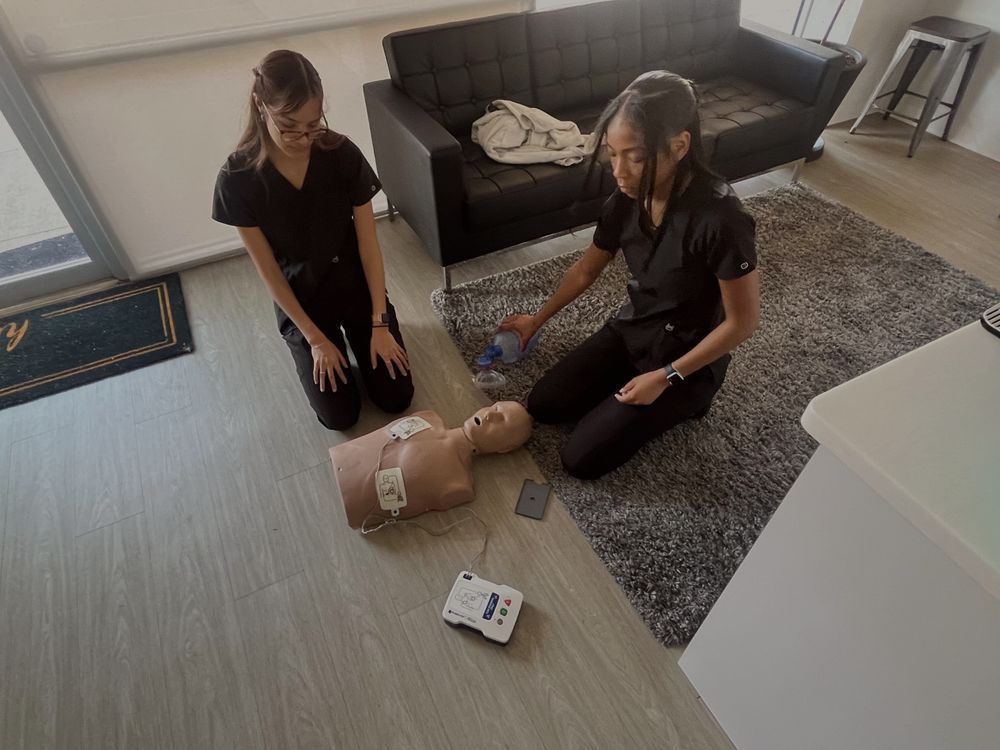
If you’re interested in working in behavioral health integration programs, choosing the right medical assistant training is an essential first step. Pulse Medical Assistant School offers an online-first, 16-week medical assistant program designed to prepare students for real-world clinical environments. Through intensive, in-person labs, students build hands-on skills and confidence that translate directly to patient care settings—including integrated and behavioral health-focused clinics.
At Pulse Medical Assistant School, aspiring medical assistants gain practical experience, supportive instruction, and career-ready training that empowers them to help real patients receive real care. Whether your goal is to work in primary care, behavioral health integration, or another specialized setting, Pulse provides the foundation you need to succeed in today’s evolving healthcare landscape.
You're only a few months from the medical assistant career you deserve.