5 Medical Assistant Roles in Value-Based Care Models
5 Medical Assistant Roles in Value-Based Care Models
Healthcare in the United States is undergoing a major shift. Instead of rewarding providers solely for the number of services delivered, many organizations are moving toward value-based care models that focus on patient outcomes, quality, and cost efficiency. In these models, success is measured by how well patients are kept healthy, how effectively chronic conditions are managed, and how satisfied patients are with their care—not just how often they visit a clinic.
Medical assistants play a critical role in making value-based care work. Positioned at the intersection of clinical care, patient communication, and care coordination, medical assistants help healthcare teams deliver proactive, patient-centered care. From improving preventive screening rates to supporting chronic disease management, medical assistants are essential contributors to better outcomes and stronger patient relationships in value-based environments.
Below are five key medical assistant roles in value-based care models, and how each role helps providers deliver higher-quality, more efficient care.
Supporting Preventive Care and Population Health Initiatives
Preventive care is a cornerstone of value-based healthcare. Providers are incentivized to help patients avoid serious illnesses through early detection, routine screenings, and timely vaccinations. Medical assistants are often the driving force behind these preventive efforts.
In value-based settings, medical assistants help identify patients who are overdue for screenings such as blood pressure checks, cholesterol tests, diabetes screenings, mammograms, or colorectal cancer screenings. They may run reports from electronic health records (EHRs), flag gaps in care, and assist in outreach efforts to schedule preventive services. This proactive approach helps clinics improve quality scores while keeping patients healthier over time.
Medical assistants also play a hands-on role during preventive visits by collecting vital signs, updating health histories, administering immunizations, and providing patient education. By ensuring preventive services are delivered consistently and accurately, medical assistants help reduce long-term healthcare costs and improve patient outcomes—key goals of value-based care.
Enhancing Care Coordination and Follow-Up
Value-based care depends on seamless coordination across providers, specialties, and care settings. Medical assistants are often the logistical backbone of this coordination, ensuring patients do not fall through the cracks.
In this role, medical assistants help schedule follow-up appointments, coordinate referrals to specialists, and track test results. They may contact patients after visits to confirm they understand care instructions, medications, or next steps. In some practices, medical assistants help monitor transitions of care, such as following up after hospital discharges to reduce readmissions.
Strong follow-up is critical in value-based models, where missed appointments or poor communication can negatively impact outcomes and reimbursement. Medical assistants help maintain continuity of care by acting as a consistent point of contact for patients, reinforcing treatment plans, and alerting providers to potential issues early.
Supporting Chronic Disease Management
Chronic conditions such as diabetes, hypertension, asthma, and heart disease are major drivers of healthcare costs. Value-based care models prioritize effective chronic disease management to prevent complications, hospitalizations, and emergency room visits. Medical assistants play a vital role in supporting these efforts.
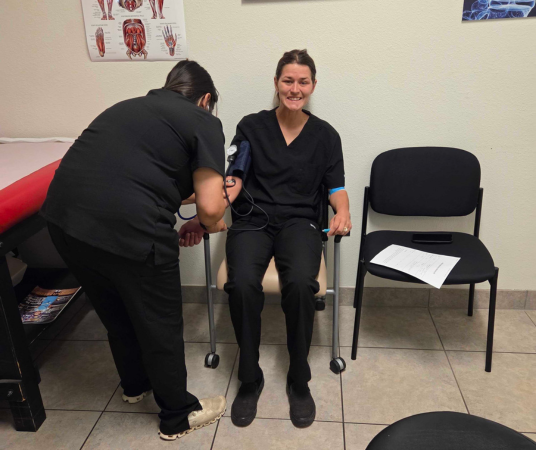
Medical assistants often assist with routine monitoring tasks, such as checking blood pressure, tracking blood glucose readings, or documenting symptom changes during follow-up visits. They may help patients understand care plans, medication schedules, and lifestyle recommendations, reinforcing guidance provided by physicians or nurses.
In some settings, medical assistants participate in care team huddles or chronic care management programs, helping identify patients who need additional support. By maintaining accurate documentation and consistent patient communication, medical assistants help ensure chronic conditions are managed proactively rather than reactively—an essential component of value-based care success.
Improving Patient Engagement and Experience
Patient engagement is a key metric in value-based care. Satisfied, informed patients are more likely to follow treatment plans, attend appointments, and take an active role in their health—all of which lead to better outcomes.
Medical assistants often spend more direct time with patients than any other care team member. They greet patients, explain procedures, answer questions, and provide reassurance during visits. In value-based models, this relationship-building role becomes even more important.
Medical assistants help patients navigate patient portals, understand test results, and access community resources when needed. They may assist with appointment reminders, medication refills, or post-visit check-ins. By creating a supportive, approachable experience, medical assistants help improve patient satisfaction scores and foster long-term trust between patients and healthcare providers.
Supporting Quality Reporting and Data Accuracy
Data is at the heart of value-based care. Providers rely on accurate documentation and reporting to demonstrate quality, track outcomes, and receive appropriate reimbursement. Medical assistants play a critical role in ensuring this data is complete and reliable.
Medical assistants help document vital signs, patient histories, screenings, and care activities accurately within EHR systems. They may assist providers by ensuring quality measures—such as preventive screenings or chronic care check-ins—are properly recorded. In some practices, medical assistants help identify documentation gaps that could impact performance metrics.
Accurate data not only supports reimbursement but also helps care teams make informed decisions about patient care. By maintaining high standards of documentation and organization, medical assistants help clinics succeed in complex value-based payment models while improving overall care quality.
Why Medical Assistants Matter More Than Ever in Value-Based Care
Why Medical Assistants Matter More Than Ever in Value-Based Care As healthcare continues to shift toward outcome-driven models, the role of the medical assistant is expanding. Medical assistants are no longer limited to basic clinical tasks—they are active participants in population health, care coordination, patient engagement, and quality improvement initiatives.
This evolution creates new opportunities for medical assistants to build meaningful careers while making a measurable impact on patient health. Clinics and healthcare organizations increasingly rely on well-trained medical assistants who understand how their daily work contributes to broader care goals.
For aspiring medical assistants, understanding value-based care models provides a strong foundation for long-term career growth. Employers are seeking candidates who can adapt to team-based care, communicate effectively with patients, and support data-driven healthcare delivery.
Start Your Medical Assisting Career with the Right Training
Start Your Medical Assisting Career with the Right Training If you’re interested in becoming a medical assistant and contributing to modern, value-based healthcare, choosing the right training program matters.
Pulse Medical Assistant School offers an online-first, 16-week medical assistant program designed to prepare students for today’s healthcare environments. With flexible online coursework and intensive, in-person labs, students gain the hands-on skills and real-world confidence needed to help real patients receive real care.
Whether you’re looking to enter healthcare for the first time or transition into a more patient-focused role, Pulse Medical Assistant School provides the training, structure, and support to help you succeed in a growing, in-demand field.
You're only a few months from the medical assistant career you deserve.