A Complete Guide to Entry-Level Medical Assistant Jobs
A Complete Guide to Entry-Level Medical Assistant Jobs
Starting a career in healthcare can feel overwhelming, especially if you’re fresh out of high school or making a career change. Medical assisting is one of the most accessible first steps into the medical field because it offers quick training, hands-on experience, and diverse career pathways. Entry-level medical assistant jobs allow you to build foundational clinical and administrative skills while gaining exposure to medical environments ranging from family clinics to specialty practices. These roles also give you the opportunity to grow—either deeper into medical assisting or toward advanced healthcare careers like nursing, radiology, or even medical school.
Because entry-level positions vary widely, it’s important to understand the range of options available to you. Some roles lean more toward patient care, while others focus on behind-the-scenes administrative tasks that keep a healthcare practice running smoothly. Many entry-level jobs blend both, giving you the balanced experience employers value. In this complete guide, you’ll discover six of the most common entry-level medical assistant jobs, what they involve, and why they can be smart stepping stones toward a stable and rewarding career in healthcare.
Clinical Medical Assistant
One of the most common entry-level roles in healthcare is a clinical medical assistant. In this position, you work directly with patients and support physicians, nurses, and other clinical staff during daily operations. You’ll gain hands-on experience that helps you understand the rhythm and expectations of a fast-paced medical environment.
Clinical medical assistants take patient vital signs, record medical histories, prepare exam rooms, sterilize equipment, and assist providers during examinations. You may also handle routine patient education, such as explaining procedures or giving after-visit instructions. Because you work closely with patients, this role builds strong communication skills and helps you develop confidence interacting with people who may be anxious or unwell.
This is an excellent starting point for aspiring nurses, physician assistants, or anyone who wants to build a long-term clinical career. You’ll develop core clinical skills, gain exposure to a wide range of patient care scenarios, and learn how interdisciplinary medical teams collaborate to provide high-quality care.
Administrative Medical Assistant
If you’re more interested in healthcare operations than direct patient care, an administrative medical assistant role may be a great fit. These professionals keep medical practices organized, efficient, and compliant with industry standards. While you may not perform clinical tasks, your work is essential to the patient experience.
Administrative medical assistants manage phone calls, schedule appointments, verify insurance coverage, process patient intake forms, and update electronic health records (EHRs). You may also coordinate referrals to specialists or communicate with pharmacies for routine prescription renewals. Because healthcare involves significant documentation, this role requires attention to detail and strong organizational skills.
An administrative medical assistant role is ideal for individuals who want to support the medical field but prefer a desk-oriented, organization-focused job. It can also be a stepping stone into medical billing, health information management, or practice administration—paths that offer steady growth and long-term career stability.
Front Desk Medical Receptionist
A front desk medical receptionist is often the first point of contact for patients, making this a key customer-service role in any healthcare practice. Even though this job is entry-level, it requires professionalism, compassion, and the ability to multitask in a fast-moving environment.
Medical receptionists greet patients, check them in, collect insurance and billing information, and help manage the flow of the waiting room. They also answer phones, schedule appointments, and provide updates to clinical staff about patient arrivals. Receptionists play a critical role in creating a welcoming and organized experience—something that can ease patient nerves and help clinical teams stay efficient.
This job helps you build strong communication skills while learning how medical offices operate behind the scenes. Many receptionists later transition into administrative or clinical medical assisting roles, especially if they undergo formal training. Because you interact with so many healthcare professionals, this role gives you firsthand exposure to multiple career possibilities.
Specialty Medical Assistant
Many medical assistants begin their careers in specialty practices where they gain focused clinical experience. A specialty medical assistant supports physicians and nurses in areas such as dermatology, orthopedics, cardiology, pediatrics, gynecology, podiatry, or urology. This allows you to build niche skills that make you valuable in specific healthcare settings.
Depending on the specialty, your responsibilities may include performing diagnostic tests, preparing patients for procedures, collecting specimens, providing patient education, or maintaining specialized equipment. For example, a dermatology medical assistant might help with minor skin procedures, while an orthopedic assistant could help prepare patients for casting or X-rays.
Working in a specialty practice can accelerate your career because you gain experience that many employers seek. If you’re considering a long-term career in a specific area of healthcare, this type of entry-level job lets you test your interests while building highly relevant skills.
Medical Office Assistant
A medical office assistant blends administrative and clinical responsibilities, making it one of the most versatile entry-level medical assistant jobs. In many small or mid-sized practices, medical office assistants wear multiple hats and keep daily operations running smoothly.
In this role, you might check in patients, update their records, schedule follow-up appointments, assist with billing tasks, take vitals, prepare exam rooms, and support providers during basic procedures. Practices often value medical office assistants because they bring flexibility and can shift between tasks as needed.
This position is ideal for someone who wants broad experience across both administrative and clinical work. It offers an excellent foundation for future advancement into supervisory, billing, or clinical specialist roles. Because you gain exposure to so many areas of practice management, you quickly build a comprehensive understanding of how healthcare systems function.
Patient Care Technician (PCT)
A patient care technician (PCT) role offers entry-level experience with more advanced hands-on responsibilities than many other medical assistant positions. While not all PCT roles require a medical assistant background, many employers prefer candidates with foundational clinical training—making this a natural next step for new MAs.
Patient care technicians work in hospitals, long-term care facilities, rehabilitation centers, and specialty units, providing direct bedside care. Their responsibilities often include measuring vital signs, assisting patients with mobility, collecting lab specimens, supporting nurses with procedures, documenting patient observations, and ensuring patients receive comfort and assistance throughout their stay.
PCT work is ideal for individuals who want immersive patient interaction and hands-on involvement in the healing process. This experience translates well to future careers in nursing, emergency medicine, phlebotomy, or hospital administration. Because you spend so much time with patients, you also build strong interpersonal and communication skills that are valuable in every healthcare environment.
Choosing the Right Entry-Level Medical Assistant Job
Choosing the Right Entry-Level Medical Assistant Job Choosing the right entry-level medical assistant job depends on your personal interests, comfort level with patient care, and long-term career goals. Some people thrive in fast-paced clinical environments, while others prefer structured administrative work. The good news is that medical assisting offers flexibility—allowing you to shift into different roles as you gain experience, complete training, or discover new healthcare passions.
No matter which path you choose, healthcare employers increasingly seek medical assistants who are well-trained, adaptable, and comfortable in both clinical and administrative settings. Completing a high-quality medical assistant program will prepare you for all six of the roles above and give you an edge in a competitive job market.
Take the First Step with Pulse Medical Assistant School
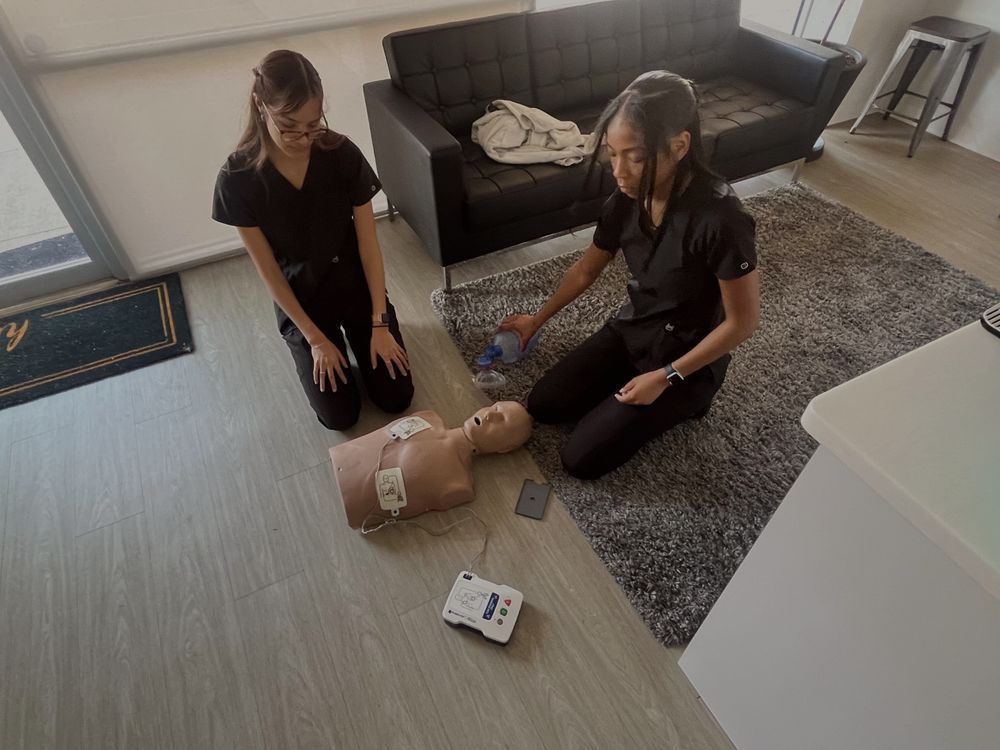
Take the First Step with Pulse Medical Assistant School If you’re ready to start an entry-level medical assistant job with confidence, Pulse Medical Assistant School is an ideal place to begin. Pulse is an online-first, 16-week medical assistant program built for busy students who want a fast, flexible path into healthcare. You’ll complete your coursework online and participate in intensive, in-person labs that give you real-world experience with clinical procedures, patient communication, and essential medical workflows. By the time you complete the program, you’ll feel fully prepared to help real patients receive real care—and ready to launch a successful career in one of the many entry-level medical assistant jobs waiting for you.
You're only a few months from the medical assistant career you deserve.