Aesthetic Medical Assistant Career Guide_ Duties & Salary Explained
Aesthetic Medical Assistant Career Guide: Duties & Salary Explained
The demand for aesthetic medicine is rising across the country, driven by patients who want confidence-boosting, non-invasive cosmetic procedures with minimal downtime. As medical spas, dermatology practices, and cosmetic surgery centers continue to grow, so does the need for skilled aesthetic medical assistants—professionals who keep treatments running smoothly, support providers, and help deliver exceptional patient experiences.
If you’re interested in a career that blends healthcare, customer service, and the artistry of cosmetic care, becoming an aesthetic medical assistant may be the perfect path. This guide breaks down what aesthetic medical assistants do, where they work, the skills they need, and how much they typically earn. By the end, you’ll understand what to expect as you pursue a high-growth, patient-centered role in one of the fastest-expanding segments of healthcare.
What Is an Aesthetic Medical Assistant?
What Is an Aesthetic Medical Assistant? An aesthetic medical assistant is a trained healthcare support professional who works alongside cosmetic nurses, dermatologists, plastic surgeons, and aesthetics doctors to deliver cosmetic treatments. While they share many core responsibilities with traditional medical assistants, they also take on specialized tasks related to skincare, injectables, laser treatments, and medical-grade cosmetic procedures.
Aesthetic MAs play a hybrid role: part clinical support, part patient coordinator, and part treatment assistant. Their work helps create a smooth, welcoming, and safe environment for clients seeking services like Botox, fillers, laser hair removal, chemical peels, body contouring, and more.
Where Do Aesthetic Medical Assistants Work?
Aesthetic MAs work anywhere cosmetic medicine is offered, including:
Medical spas
Dermatology offices
Cosmetic surgery centers
Plastic surgery practices
Laser clinics
Wellness clinics
Concierge aesthetic practices
High-end skincare boutiques
Because the aesthetics industry allows for both medical and beauty-focused services, aesthetic MAs often enjoy diverse work environments and flexible scheduling options.
Key Duties of an Aesthetic Medical Assistant
Key Duties of an Aesthetic Medical Assistant While responsibilities vary by employer, the following are the most common duties in an aesthetics-based medical assistant role.
Prepare Patients for Procedures
Aesthetic MAs play a major role in the patient experience from the moment someone arrives. Key tasks include:
Greeting clients and reviewing appointment details
Collecting medical histories and screening for treatment contraindications
Explaining what to expect during the appointment
Prepping treatment rooms and sterilizing equipment
Helping patients feel comfortable and confident
Because aesthetics clients often feel nervous or self-conscious, the ability to build rapport quickly is one of the most valuable skills an aesthetic MA can offer.
Support Cosmetic and Dermatology Procedures
Under a licensed provider’s supervision, aesthetic MAs may assist with a wide range of treatments, such as:
Injectables (Botox, dermal fillers)
Laser hair removal
IPL photofacials
Microneedling
Radiofrequency skin tightening
Body contouring procedures
Chemical peels
PRP (platelet-rich plasma) therapy
Microdermabrasion
Depending on state regulations and employer requirements, an aesthetic MA may help reposition clients, hand instruments to providers, document treatment details, or perform certain non-invasive procedures after training.
Perform Advanced Skincare Tasks
In many aesthetic settings, medical assistants also handle skincare-related duties, such as:
Cleansing and prepping skin for procedures
Assisting with post-treatment product application
Recommending medical-grade skincare products
Educating patients about aftercare routines
Tracking progress for return visits
Because skincare is such a core focus in cosmetic medicine, a strong understanding of skin types, products, and common conditions (like acne, hyperpigmentation, or aging skin) is highly valuable.
Manage Equipment, Inventory, and Safety Protocols
Cosmetic clinics rely heavily on specialized equipment, from lasers to RF devices to medical-grade skincare systems. Aesthetic MAs are often responsible for:
Cleaning and maintaining devices
Sterilizing tools and treatment rooms
Ordering and organizing supplies
Performing safety checks before treatments
Managing patient charts and documentation
Cleanliness, attention to detail, and adherence to safety guidelines are critical—not only for patient health but also for ensuring high-quality results.
Provide Front-Office and Administrative Support
Aesthetic medical assistants bridge clinical and administrative roles. In a single shift, you may:
Schedule appointments
Process payments and pre-treatment deposits
Handle insurance (in rare cases; most aesthetic services are cash-pay)
Manage the clinic’s workflow
Answer questions about treatments, pricing, or promotions
Assist with marketing or patient retention efforts
In many practices, aesthetic MAs become trusted patient liaisons who encourage follow-up visits, reinforce treatment plans, and help clients feel supported.
Skills Needed to Succeed as an Aesthetic Medical Assistant
Skills Needed to Succeed as an Aesthetic Medical Assistant
The best aesthetic MAs combine clinical competency with customer service excellence. Essential skills include:
The best aesthetic MAs combine clinical competency with customer service excellence. Essential skills include:
Technical and Clinical Skills
Knowledge of common cosmetic procedures
Understanding of dermatology terminology
Understanding of dermatology terminology
Familiarity with laser and skincare equipment
Strong charting and documentation skills
Ability to assist with injections and non-invasive treatments
A solid grasp of anatomy, especially facial structure
Interpersonal and Customer Service Skills
Professional, patient-friendly communication
Compassion and emotional intelligence
Comfort discussing appearance-related concerns
Ability to create a calm, welcoming environment
Sales or product recommendation skills
Administrative Skills
Appointment scheduling
Inventory and supply management
Payment processing
Electronic health record (EHR) proficiency
What Is the Salary of an Aesthetic Medical Assistant?
What Is the Salary of an Aesthetic Medical Assistant?
Salaries vary based on experience, training, certifications, geographic location, and work setting. On average, aesthetic medical assistants earn:
$38,300–$55,700 per year nationally
However, several factors can increase earning potential:
Location
Urban and high-income markets—such as Los Angeles, New York, Miami, Dallas, and Scottsdale—often offer aesthetic MAs higher pay due to demand and clientele.
Experience Level
MAs with laser certification, skincare expertise, or multiple years of dermatology experience can earn significantly more.
Specialty
Working in plastic surgery or advanced cosmetic treatment centers typically comes with higher wages and more opportunities to assist with premium procedures.
Working in plastic surgery or advanced cosmetic treatment centers typically comes with higher wages and more opportunities to assist with premium procedures.
Commission and Tips
Because aesthetics is a service-driven business, many MAs receive:
Treatment-based bonuses
Product sales commissions
Membership-based incentives
Tips from satisfied clients
This often adds hundreds of dollars per month—or more—to base pay.
Projected Job Outlook for Aesthetic Medical Assistants
The aesthetics industry continues to expand as demand rises for:
The aesthetics industry continues to expand as demand rises for: Botox and fillers
Non-surgical facial rejuvenation
Laser treatments
Non-invasive body sculpting
Acne and anti-aging solutions
Preventative skincare
According to national employment data, medical assistant jobs are projected to grow much faster than average over the next decade. Aesthetic medical assistants benefit even more, as cosmetic medicine is one of the fastest-growing health sectors.
This means job stability, opportunity for advancement, and competitive pay will continue to improve.
How to Become an Aesthetic Medical Assistant
How to Become an Aesthetic Medical Assistant To work in an aesthetic practice, you’ll need a combination of foundational medical education and hands-on clinical preparation.
Complete a Medical Assistant Program
Most employers require graduation from a reputable medical assistant program that teaches:
Clinical procedures
Anatomy and physiology
Patient communication
Phlebotomy and injections
Medical terminology
Safety and infection control
A fast, flexible program is ideal for students who want to start working quickly—especially in aesthetics.
Get Hands-On Clinical Training
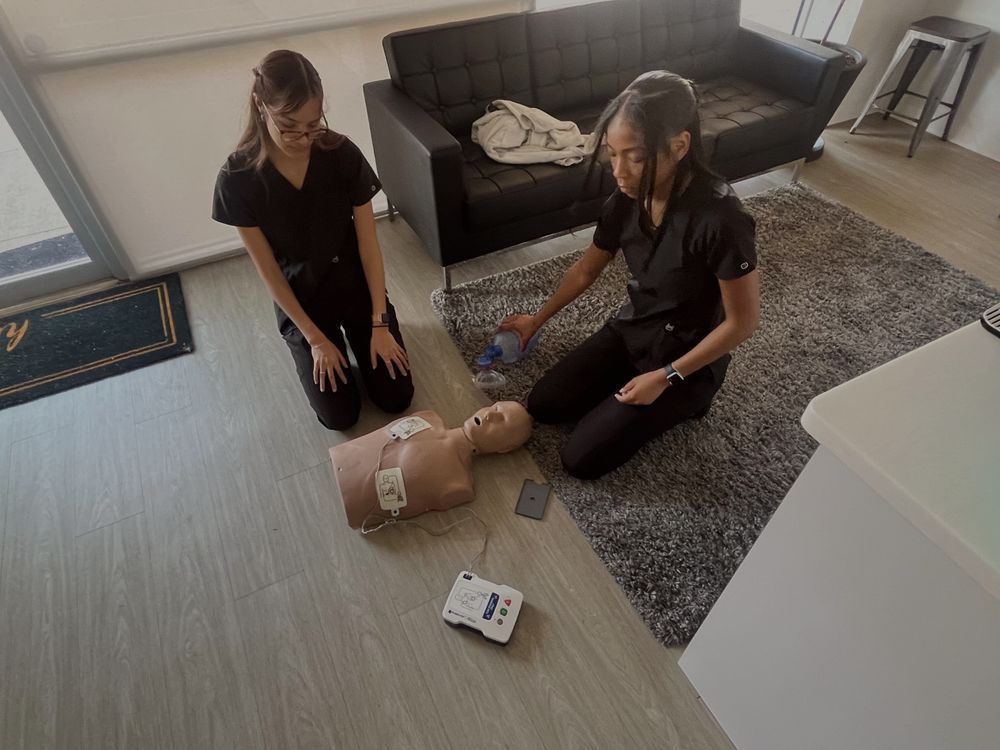
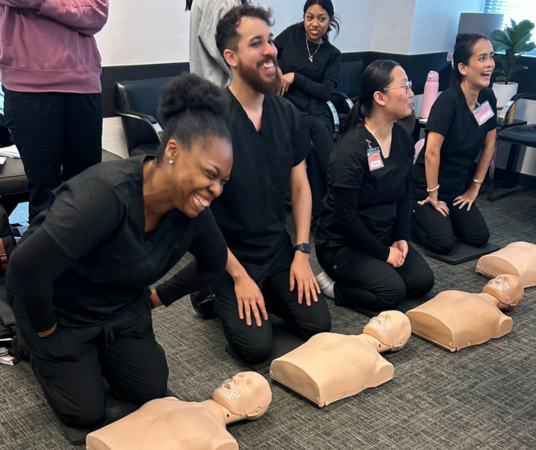
Because aesthetics involves direct patient interaction and treatment assistance, hands-on lab experience is essential. You’ll need to:
Because aesthetics involves direct patient interaction and treatment assistance, hands-on lab experience is essential. You’ll need to: Practice injections
Work with real medical equipment
Prepare treatment rooms
Assist with mock procedures
Build patient-care confidence
Strong clinical labs are one of the most important parts of preparing for an aesthetic MA career.
Earn Relevant Certifications
Optional but powerful resume boosters include:
Medical Assistant Certification (CCMA, RMA, CMA)
Laser technician certification (varies by state)
Chemical peel or microneedling training
CPR and basic life support (BLS)
The more you specialize, the more competitive—and employable—you become.
Apply to Medical Spas, Dermatology Offices, or Cosmetic Clinics
New grads often find their first opportunity in:
Med spas
Aesthetic dermatology
High-volume cosmetic practices
Once you gain experience, it’s easier to transition into advanced settings like plastic surgery or high-end boutique practices.
Career Advancement Opportunities
Career Advancement Opportunities
An aesthetic medical assistant career can lead to several long-term paths, such as:
An aesthetic medical assistant career can lead to several long-term paths, such as:
Lead aesthetic MA
Practice manager or clinical coordinator
Laser technician
Medical aesthetics sales representative
Licensed aesthetician (with further education)
Cosmetic nursing
Injector (with nursing degree and certification)
Because the industry evolves rapidly, motivated MAs can continually expand their skill set and earning potential.
Why an Aesthetic MA Career Is a Great Choice
Why an Aesthetic MA Career Is a Great Choice
The aesthetic field attracts people who enjoy:
The aesthetic field attracts people who enjoy:
Working closely with patients
Working closely with patients
Helping clients feel confident and cared for
Blending clinical skills with beauty and wellness
Staying on top of new cosmetic trends
Working in an upbeat, modern environment
Working in an upbeat, modern environment
If you love patient care but also want a career with creativity, variety, and strong earning potential, aesthetic medical assisting offers the best of both worlds.
If you love patient care but also want a career with creativity, variety, and strong earning potential, aesthetic medical assisting offers the best of both worlds.
Find a Future in Healthcare Today
Becoming an aesthetic medical assistant is a rewarding career for anyone who’s passionate about patient care, skincare, and the growing world of cosmetic medicine. With the right training, you can build a future-proof career that offers stability, flexibility, and opportunities to advance into higher-level aesthetics roles.
If you’re ready to start your journey, Pulse Medical Assistant School can help you get there. Pulse is an online-first, 16-week medical assistant program with intensive, in-person labs that give aspiring medical assistants the real-world experience and confidence they need to help real patients receive real care. It’s a fast, flexible way to launch your career in both traditional and aesthetic healthcare settings.
You're only a few months from the medical assistant career you deserve.