Are In-Person Medical Assistant Programs Worth the Time and Cost_
Are In-Person Medical Assistant Programs Worth the Time and Cost?
Choosing the right medical assistant training program is one of the biggest early career decisions future healthcare professionals make. With so many formats available—fully online, hybrid, or fully in-person—it’s easy to wonder whether attending in-person classes is still worth the time, financial investment, and daily commitment. Yet even as online learning continues to grow, many students still choose in-person medical assistant programs because the hands-on training, structure, and connection they provide can be difficult to match virtually.
In-person programs offer benefits that pay off long after graduation. From mastering clinical skills to building professional confidence, these programs create real-world experiences that help graduates stand out in competitive healthcare environments. Below are five compelling reasons why in-person medical assistant programs are worth the investment—and how they help students feel fully prepared to step into patient-facing roles.
Hands-On Skills Training You Can’t Fully Replicate Online
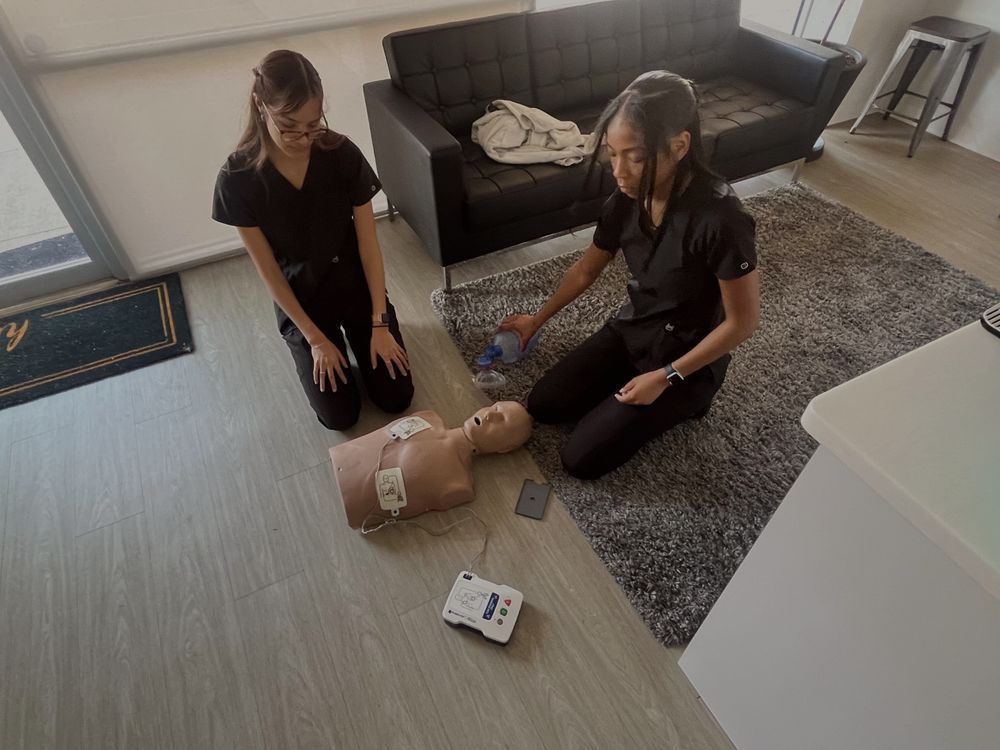
One of the most valuable advantages of in-person medical assistant programs is the opportunity to learn skills by doing. Medical assisting is an applied, hands-on career, and while online videos and simulations can help build foundational knowledge, they cannot replace working directly with equipment, tools, and real clinical setups.
During in-person classes, students perform essential skills such as taking vital signs, administering injections, updating patient charts, assisting with minor procedures, sterilizing instruments, and preparing exam rooms. They gain the muscle memory and precision that healthcare employers expect, especially in fast-paced outpatient settings. Practicing these tasks in a real training lab reduces first-day anxiety because students already know how workflows, equipment placement, and patient interactions feel in real time.
In-person training also gives instructors the ability to provide immediate feedback and correction. Students learn the right techniques—not just theoretically, but physically—helping them avoid developing habits that could impact safety or efficiency later on. The confidence that comes from practicing hands-on is one of the biggest reasons employers often prefer candidates with in-person clinical training.
Face-to-Face Instruction Strengthens Learning and Improves Retention
While online learning offers convenience, in-person programs create an immersive environment that many students find more motivating and easier to follow. Being physically present in a classroom helps learners stay engaged, ask questions in real time, and benefit from discussions with classmates who share different experiences and insights.
Face-to-face instruction also allows educators to adapt lessons based on how students respond. Instructors can recognize confusion, step in with additional explanations, or demonstrate a skill again until everyone feels confident. This interactive learning style supports students who need more structure or who learn best through visual and hands-on methods.
In-person instruction also reduces distractions that often occur at home or when learning asynchronously. The routine of attending class, participating in labs, and completing assignments keeps students accountable and creates a sense of momentum. The structure and predictability of a classroom can be particularly helpful for adult learners who want to stay focused, complete their training on time, and enter the workforce faster.
Stronger Professional Networking and Career Connections
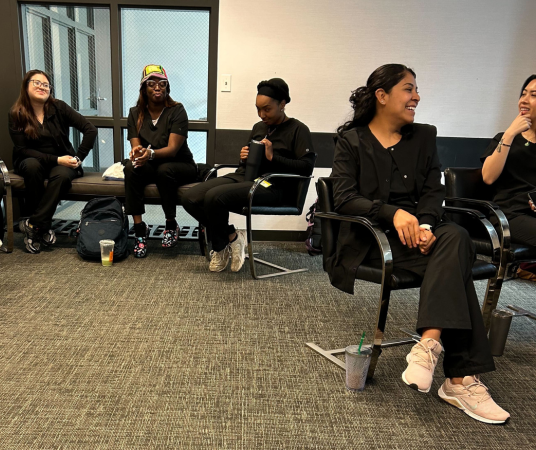
In-person programs naturally create a learning community—something online courses often struggle to replicate. Classmates spend hours working together, practicing skills, problem-solving, and preparing for exams. These relationships become powerful networking connections later in the healthcare field.
Instructors and program staff also serve as professional mentors. Many have years of experience in medical offices, clinics, or hospitals, and can offer advice on employer expectations, certifications, job interviews, and career advancement paths. Because they interact with students directly and watch their progress, they can confidently provide personalized recommendations and references.
Additionally, employers often partner with in-person medical assistant programs because they trust the training quality and want graduates who are interview-ready and able to start contributing quickly. Many students secure externships, interviews, or job offers through program connections alone. Those face-to-face relationships can accelerate a student’s transition from learner to hired medical assistant.
Immediate Access to Campus Resources and Support Services
In-person medical assistant programs often include access to campus-based support services that help students succeed academically and professionally. Whether it’s tutoring, testing accommodations, academic advising, or job placement assistance, the ability to walk into an office and talk to a real person makes a significant difference.
Students receive personalized help when they struggle with a topic, need clarification before an exam, or want guidance on resume building or interviewing. Being on campus also provides access to resources such as career fairs, employer visits, skill review sessions, and guest lectures from healthcare professionals.
These support systems reduce stress, improve study habits, and help students navigate challenges more effectively. Without in-person guidance, students can feel isolated or unsure where to turn when they fall behind. Campus-based support adds structure and reassurance, making it easier for students to persist and graduate.
A More Realistic Simulation of Day-to-Day Clinical Work
A major benefit of in-person medical assistant programs is that they closely mimic the routines and demands of actual healthcare jobs. Students learn how to work around other medical staff, anticipate patient needs, communicate effectively, and manage fast-paced environments.
This real-world pacing helps students adapt to the demands of patient care long before they begin externships or entry-level roles. Students get accustomed to professional expectations such as:
Arriving on time
Maintaining a clean and sterile workspace
Following clinical protocols
Documenting accurately
Working as part of a team
Working as part of a team These habits are easier to build in person than in a virtual environment. The sense of responsibility and discipline formed during the program carries into the workplace, helping new medical assistants perform confidently from day one.
Even more importantly, the practice environment fosters interpersonal skills—such as empathy, professionalism, and patient communication—that are essential in healthcare but difficult to master online. Learning how to comfort a nervous patient, communicate clearly with providers, and maintain composure during busy clinical moments is something students learn best face to face.
Ready to Start Your Medical Assisting Journey?
Ready to Start Your Medical Assisting Journey? In-person medical assistant programs require an investment of time, money, and commitment—but the benefits are substantial. The hands-on training, face-to-face instruction, structured environment, community support, and realistic clinical preparation create a strong foundation for long-term career success. For many students, the confidence they gain in the lab and the relationships they form in the classroom make the in-person experience invaluable.
However, not all programs are the same. Some training paths combine the flexibility of online learning with the impact of hands-on, in-person practice—giving students the best of both worlds.
If you want the flexibility of online learning and the confidence that only hands-on labs can provide, Pulse Medical Assistant School offers the ideal balance. Pulse is an online-first, 16-week medical assistant program with intensive, in-person labs that help aspiring medical assistants build real clinical skills and the confidence to help real patients receive real care.
You're only a few months from the medical assistant career you deserve.