Are Medical Assistants Allowed to Start IVs_
Are Medical Assistants Allowed to Start IVs?
Medical assistants are essential members of today’s healthcare teams, supporting physicians, nurses, and specialists across a wide range of clinical environments. As demand for skilled medical support professionals grows, so does the interest in the specific tasks medical assistants can and cannot perform. One of the most common questions—especially for those considering a career in patient care—is whether medical assistants are permitted to start IVs.
The answer depends entirely on state law, employer policy, and the specific training a medical assistant receives. While medical assistants play a critical clinical role, IV placement is a regulated procedure that requires very clear legal authorization. This guide breaks down what states allow, what states restrict, and what medical assistants can do even when IV insertion is off-limits.
Are Medical Assistants Allowed to Start IVs? A State-by-State Overview
Whether medical assistants can legally start IVs varies widely. Some states explicitly prohibit it, others allow it with conditions, and many leave it undefined—meaning employers must follow broader medical practice laws to determine compliance. Here is a general overview of the national landscape:
States That Commonly Prohibit Medical Assistants from Starting IVs
Many states prevent medical assistants from performing any type of intravenous procedure. These include states such as:
California
Washington
New York
New Jersey
Georgia
South Carolina
Alabama
Maryland
These states generally classify IV insertion as an advanced invasive procedure that must be performed by licensed professionals such as RNs, LPNs, or specially credentialed technicians. Medical assistants may assist after the IV is placed, but they cannot initiate it themselves.
States That May Allow IV Insertion With Training and Direct Supervision
A smaller number of states allow medical assistants to insert IVs under strict conditions, typically requiring:
Proof of specialized IV certification
Direct, onsite supervision by a licensed provider
Employer approval
Documentation of competency
States that fall into this category often include:
Arizona
Nevada
Colorado
Texas
Florida
Utah
Idaho
Even in these states, medical assistants must follow well-defined protocols. Many employers still choose not to permit MAs to insert IVs because of liability and insurance restrictions.
States That Leave It Undefined
Some states don’t specifically address IV insertion in their medical assistant scopes of practice. In these cases, healthcare facilities rely on broader state laws governing delegated medical tasks. If a task is not explicitly allowed, most employers will err on the side of caution and restrict it.
Because regulations vary widely, aspiring medical assistants should always check:
Their state’s medical practice act
Employer policies
Certification requirements
Supervising physician or nurse guidelines
What Medical Assistants Can Do Even When They Cannot Start IVs
What Medical Assistants Can Do Even When They Cannot Start IVs Even in states that prohibit IV insertion, medical assistants still perform many high-impact clinical responsibilities. These tasks are essential to patient care and offer meaningful hands-on experience.
Administering Injections
While IV insertion is often restricted, most states allow medical assistants to give:
Intramuscular injections
Subcutaneous injections
Intradermal injections
These may include vaccines, medications, or allergy shots. MAs typically need documented training and must work under direct supervision.
Performing Phlebotomy
Drawing blood is one of the most common MA responsibilities. MAs may perform venipunctures or capillary blood draws after proper training. Many employers rely heavily on medical assistants for routine blood collection in outpatient environments.
Measuring and Recording Vital Signs
Medical assistants frequently collect essential patient data, including:
Medical assistants frequently collect essential patient data, including: Blood pressure
Temperature
Heart rate
Oxygen saturation
Body weight and height
This information is vital for physicians during exams and consultations.
Preparing Patients for Exams and Procedures
Medical assistants help streamline clinical workflows by:
Medical assistants help streamline clinical workflows by: Escorting patients to exam rooms
Gathering medical history details
Explaining procedures or tests
Positioning patients for exams
Maintaining a clean clinical environment
These tasks help improve patient comfort and efficiency within medical offices.
Assisting with Minor Procedures
Depending on state laws and employer policy, medical assistants may assist with:
Suturing prep
Wound care
Suture or staple removal
Sterile tray setup
Dressing changes
Their support allows providers to focus on higher-complexity tasks and improves care delivery.
Performing Laboratory Tests
Medical assistants often handle basic lab responsibilities such as:
Medical assistants often handle basic lab responsibilities such as: Urinalysis
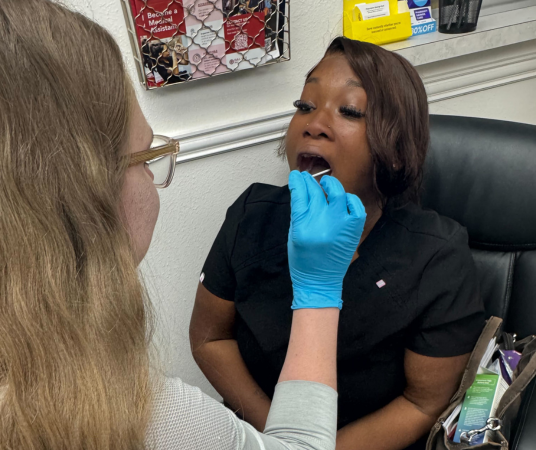
Rapid strep tests
Pregnancy tests
Glucose checks
Specimen preparation for outside labs
These skills help clinics provide immediate diagnostic information and reduce patient wait times.
Managing Medical Records and Administrative Tasks
Even in highly clinical settings, MAs stay involved in essential administrative functions, including:
Scheduling patient visits
Updating electronic health records (EHRs)
Processing insurance claims
Coordinating referrals
Answering patient questions
This blend of administrative and clinical work is a defining feature of the medical assistant career.
Why IV Insertion Is Restricted for Medical Assistants
Why IV Insertion Is Restricted for Medical Assistants Even though medical assistants are trained in hands-on patient care, states often restrict IV insertion for several important reasons:
Patient Safety Concerns
IV access requires precision and carries risks such as:
IV access requires precision and carries risks such as: Infection
Infiltration
Vein damage
Incorrect medication delivery
Air embolism
States often require a nursing license for IV placement because of these potential complications.
Liability and Insurance
Healthcare facilities face financial and legal consequences if an improperly placed IV harms a patient. Many insurers only cover IV insertion when performed by licensed professionals such as RNs or LPNs.
Training Requirements
IV insertion requires specialized training beyond a standard MA curriculum. While some programs provide optional IV modules, most employers still require proof of advanced certification.
Professional Scope-of-Practice Laws
Medical practice acts are designed to protect public safety. Legislators often classify IV procedures under “advanced nursing skills,” keeping them outside the permitted scope for medical assistants.
How Medical Assistants Support IV Therapy Without Starting IVs
How Medical Assistants Support IV Therapy Without Starting IVs Even when medical assistants cannot legally insert IVs, they still play a major role in supporting IV-based care.
Preparing Supplies
MAs often gather essential items such as:
IV tubing
Saline flushes
Gauze
Tape
Alcohol pads
IV fluids
This preparation ensures efficiency and minimizes delays in patient care.
Providing Patient Comfort
Medical assistants are often the primary patient-facing team members. They help calm anxious patients, answer basic questions, and reassure them during procedures.
Monitoring Patients After IV Placement
Under supervision, MAs may observe:
Vital signs
Patient comfort levels
Signs of infiltration or swelling
They immediately alert nurses or providers if a concern arises.
Documenting Clinical Information
Accurate reporting is essential for patient safety. Medical assistants record:
Time of IV placement
Provider who inserted the IV
Patient reactions
Medication or fluids administered
This documentation helps maintain accurate medical records.
Training That Helps Medical Assistants Take on More Clinical Responsibilities
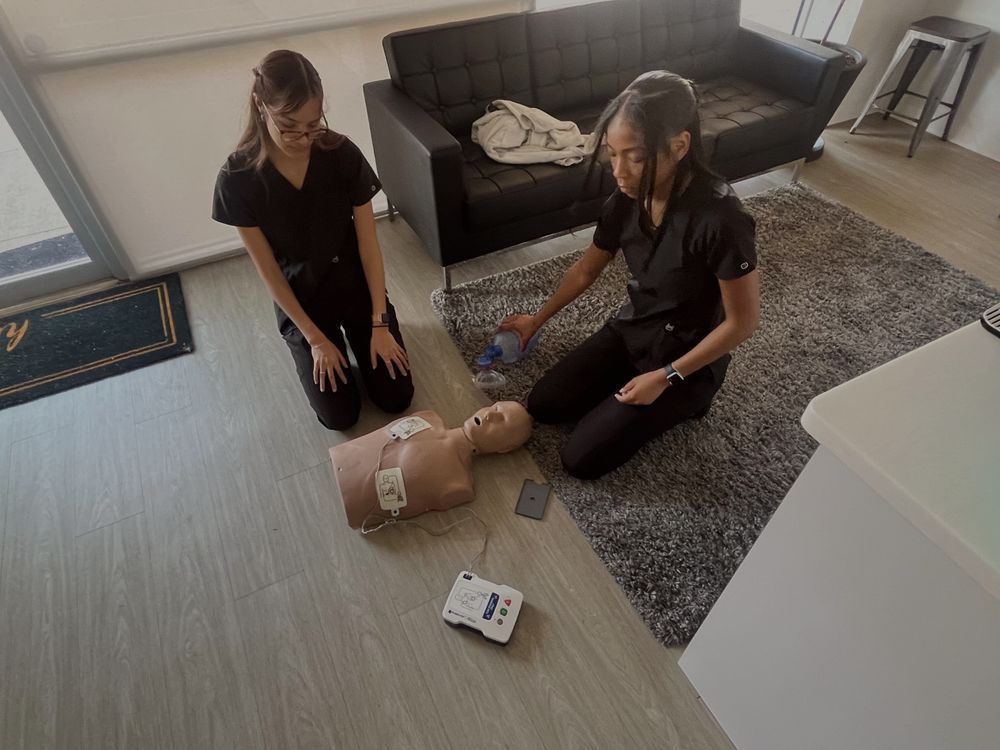
Training That Helps Medical Assistants Take on More Clinical Responsibilities Even if IV insertion isn’t allowed in a particular state, strong clinical training helps medical assistants qualify for more advanced duties. Programs that include hands-on labs, real-world simulations, and phlebotomy practice prepare students for fast-paced healthcare environments.
A high-quality medical assistant program should include:
Direct patient-care labs
Injection training
Phlebotomy and blood draw practice
Vital-sign measurement
Specimen handling
EKG testing
Clinical workflow training
These skills expand an MA’s opportunities and help them stand out to employers.
Why Understanding Your State’s Scope of Practice Matters
Why Understanding Your State’s Scope of Practice Matters Before beginning a medical assistant career—or before changing healthcare jobs—it’s important to confirm what the law allows. Each state:
Publishes its own medical assistant scope-of-practice guidelines
Determines which tasks require licensure
Requires medical assistants to follow physician delegation rules
Enforces penalties when tasks exceed allowed boundaries
Knowing your state’s rules ensures you remain compliant while helping patients safely and effectively.
If you’re unsure of your local regulations, check:
Your state’s medical or nursing board website
Official medical practice statutes
Your employer’s clinical policies
Your supervising provider’s guidance
Healthcare laws change over time, so staying informed is essential.
Medical Assistants Play an Essential Role—With or Without IV Responsibilities
Medical Assistants Play an Essential Role—With or Without IV Responsibilities While medical assistants in most states are not permitted to start IVs, they still provide crucial support in clinics, hospitals, and outpatient facilities. Their responsibilities span clinical, administrative, and patient-support tasks that allow healthcare organizations to operate efficiently and deliver high-quality care.
The key to taking on more responsibilities in any state is strong, hands-on training that builds confidence and practical skill. The more prepared an MA is, the more valuable they become to employers—whether they’re supporting IV therapy, assisting with patient exams, or handling injections and lab work.
Launch Your Medical Assistant Career with Confidence
Launch Your Medical Assistant Career with Confidence If you want a fast, flexible path into a meaningful healthcare career, Pulse Medical Assistant School offers an online-first, 16-week medical assistant program with intensive, in-person labs that give aspiring medical assistants the hands-on experience they need to help real patients receive real care. It’s a streamlined, employer-ready training pathway designed to help you step confidently into the medical field and start making an impact.
You're only a few months from the medical assistant career you deserve.