Balancing Life and School in a Medical Assistant Program
Balancing Life and School in a Medical Assistant Program
Starting a medical assistant program is an exciting step toward a rewarding healthcare career—but it’s also a commitment that requires time, energy, and planning. Many aspiring medical assistants are balancing school alongside family responsibilities, part-time or full-time jobs, and personal priorities. Finding the right rhythm can feel challenging, especially during fast-paced, accelerated programs that move quickly from one module to the next. The good news? Thousands of students successfully strike this balance every year, and with the right strategies, you can too.
Achieving harmony between your schoolwork and your daily life is not about having endless hours—it’s about intentionally managing the hours you have. A medical assistant program should push you, but it shouldn’t overwhelm you. With a realistic plan, a supportive environment, and smart habits, you can stay engaged, stay motivated, and stay on track toward graduation. Below are five effective ways to balance life and school while completing your medical assistant training.
Create a Weekly Routine—And Stick to It
One of the most powerful tools for success in a medical assistant program is a predictable routine. Because coursework, labs, and assignments often follow a structured timeline, building your personal life around that structure can reduce stress and help you stay on top of your responsibilities. Start by mapping out weekly commitments: work schedules, family obligations, and study time. Seeing your week clearly prevents tasks from piling up and allows you to make proactive adjustments.
A routine also helps eliminate decision fatigue—that sense of overwhelm you might feel when you’re constantly asking yourself, “When will I study? When can I finish this assignment? How do I fit everything in?” When your study hours, breaks, and personal activities are tied to a consistent schedule, your brain shifts into a steady rhythm. Over time, you’ll find that knowing exactly when you are focusing on school and when you’re focusing on everything else creates a smooth separation that keeps both sides of your life manageable.
Prioritize What Matters Most
Medical assistant programs often move quickly, which means students must learn to separate high-priority tasks from everything else. While you don’t have to overhaul your entire life, you do need to identify what’s truly essential during your training. Make a list of your non-negotiables—work hours, childcare, medical appointments, or financial obligations. Then list the things that are flexible or optional—social outings, hobbies, or time-consuming tasks that can be paused.
This doesn’t mean giving up everything fun while you’re in school. In fact, maintaining a few enjoyable activities is critical for mental health and motivation. Instead, prioritizing is about recognizing which responsibilities genuinely move you forward and which can temporarily take a back seat. When everything feels urgent, nothing actually gets done. By clarifying your true priorities, you free up space to excel in school without feeling guilty about saying “no” to commitments that can wait.
Use Smart Time-Management Strategies
Mastering time management is one of the most helpful skills you can develop during a medical assistant program—and one that will support your career long after graduation. Start by breaking bigger tasks into smaller steps. For example, instead of “study for anatomy,” try creating a checklist: review notes, quiz yourself, complete a practice test, then check understanding. Smaller steps feel more manageable and help you measure your progress more clearly.
Tools can also make your weeks easier. Digital planners, calendar apps, and reminders help you stay organized, while productivity methods such as the Pomodoro Technique—25 minutes of focused work followed by a 5-minute break—help prevent burnout. Time blocking is another helpful strategy: dedicate specific windows for studying, family time, meals, and rest. By intentionally assigning time to each activity, you create balance rather than chaos.
Another important element of time management is preparation. Setting out your materials the night before, prepping meals in advance, or laying out your scrubs before a lab session can save valuable time and reduce stress. When your environment is prepared, your mind is free to focus on learning, not scrambling.
Rely on Your Support System
No one succeeds in a medical assistant program alone, and there is absolutely no reason to try. Leaning on your support system—family, friends, instructors, mentors, and classmates—can make all the difference. Start by talking openly with the people closest to you about your goals and your schedule. Many students find that simply letting loved ones know what the next 16 weeks will look like helps reduce misunderstandings and creates opportunities for help when you need it.
Your classmates and instructors are also an essential part of your support network. They are going through the same challenges and victories, which makes them excellent resources for encouragement, study help, and accountability. Whether you’re reviewing vocabulary terms together, practicing vital signs, or checking your understanding of a complex procedure, collaboration helps you stay motivated and connected.
Finally, don’t hesitate to ask for help early. If you fall behind, need clarification on an assignment, or feel overwhelmed, communicate with your instructors. Medical assistant programs are designed to support students—not judge them—and schools want you to succeed. Reaching out doesn’t show weakness; it shows commitment.
Make Time for Rest, Self-Care, and Mental Health
Balancing life and school isn’t just about getting everything done—it’s also about protecting your well-being. Medical assistant programs are designed to be challenging so you build the resilience needed in healthcare, but that means your brain and body need intentional recovery. Sleep, nutrition, movement, and mental breaks are not luxuries—they are critical to your success.
Start by creating space for rest. Even on your busiest days, try to get enough sleep and set aside downtime, even if it’s brief. Small acts like taking a walk, listening to music, or enjoying a quiet moment between tasks can restore energy and keep you mentally grounded. Without regular rest, studying becomes harder, memory weakens, and motivation drops.
Self-care also includes setting boundaries. It’s okay to step back from draining commitments or to create quiet study times where you won’t be interrupted. Remember that your training is temporary—you’re investing in a long-term, stable career. The more balanced and supported you are during the program, the more successful and confident you’ll become in your role as a medical assistant.
You Can Balance It All With the Right Structure and Support
You Can Balance It All With the Right Structure and Support Balancing school with work, family, and everyday responsibilities is absolutely possible when you approach your medical assistant program with intention, planning, and flexibility. Whether you’re creating a solid routine, leaning on your support system, or prioritizing self-care, each step helps you stay grounded and focused. Success in a medical assistant program isn’t about being perfect—it’s about showing up consistently, managing your time wisely, and staying committed to your goals.
With the right approach, you can thrive in your training while still maintaining the life you love. And once you graduate, you’ll have not only the skills to succeed in healthcare but also the time-management and resilience strategies that will serve you throughout your entire career.
Start Your Journey with Pulse Medical Assistant School
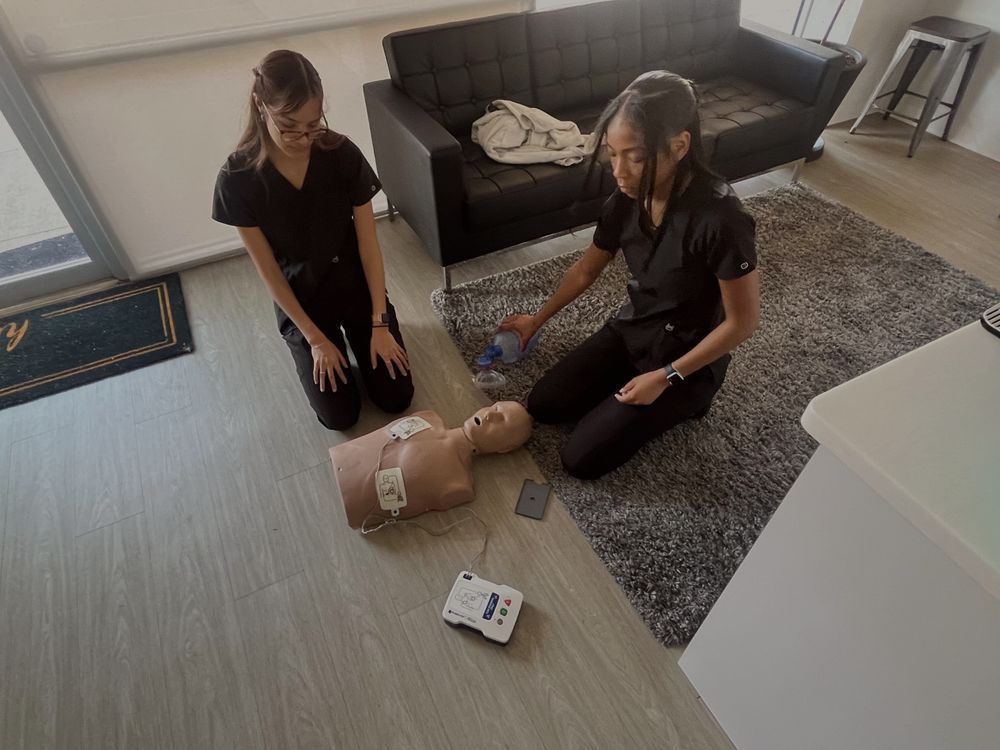
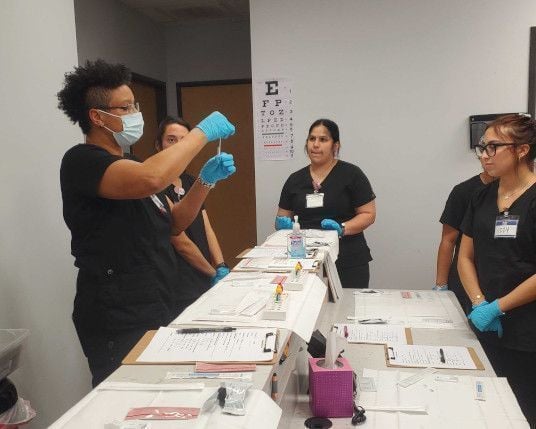
Start Your Journey with Pulse Medical Assistant School If you’re ready to begin a flexible, supportive medical assistant training experience, Pulse Medical Assistant School is designed with busy students in mind. Our online-first, 16-week medical assistant program offers the convenience of virtual learning combined with intensive, in-person labs that give aspiring medical assistants the confidence to help real patients receive real care.
Whether you’re balancing work, family, or other responsibilities, Pulse provides the structure and support you need to succeed—both in training and in your future career.
You're only a few months from the medical assistant career you deserve.