Becoming a Medical Assistant in the Military_ Roles, Pay & Opportunities
Becoming a Medical Assistant in the Military: Roles, Pay & Opportunities
Working as a medical assistant is already a meaningful, people-focused career—but becoming a medical assistant in the military takes that sense of purpose even further. Military medical assistants, often referred to as medical technicians or healthcare specialists depending on the branch, play a critical role in keeping service members healthy, mission-ready, and supported in high-stress environments. These professionals gain hands-on experience, structured training, strong leadership skills, and a wide range of career opportunities—both during and after their service.
For aspiring medical assistants who want to serve their country while building a respected healthcare career, the military can be a powerful path. This guide explores what military medical assistants do, how much they earn, which branches employ them, and the long-term opportunities that come with military healthcare experience.
Military Medical Assistant Roles and Responsibilities
While job titles vary across branches, military medical assistants share many of the same core duties as civilian medical assistants. However, their responsibilities often extend into emergency medicine, trauma care, preventive health, and operational medicine. Here are the essential functions of medical assistants in the military.
Providing Routine Patient Care
Military medical assistants support physicians, nurses, and physician assistants with everyday clinical tasks, including:
Recording vital signs
Preparing patients for examinations
Preparing patients for examinations
Assisting with minor procedures
Administering medications under supervision
Managing patient documentation and medical histories
Because the military emphasizes efficiency and readiness, medical assistants quickly become comfortable working in fast-moving environments, seeing a high volume of patients, and adapting to new clinical settings.
Emergency and Trauma Care
Unlike many civilian medical assistants, military medical personnel often receive training in combat casualty care. Depending on the branch, they may learn skills such as:
Hemorrhage control
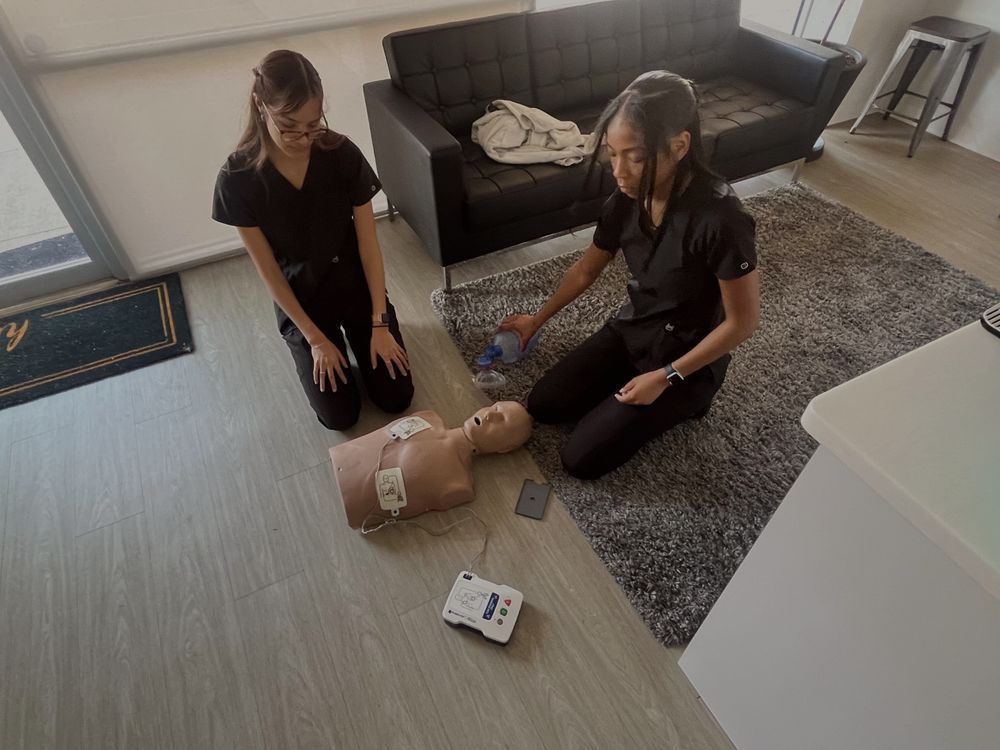
Basic life support and trauma intervention
Stabilizing injured service members in the field
Assisting in evacuation procedures
These responsibilities help save lives in real-world scenarios and often accelerate a service member’s path toward more advanced healthcare roles.
Preventive Health and Wellness Programs
Medical assistants in the military help carry out wellness initiatives focused on maintaining troop readiness. This may include:
Medical assistants in the military help carry out wellness initiatives focused on maintaining troop readiness. This may include: Conducting health screenings
Coordinating vaccinations
Supporting physical health assessments
Educating service members on injury prevention
Preventive care is a significant part of military medicine, giving medical assistants valuable experience in public health and population wellness.
Administrative and Operational Tasks
Military healthcare facilities must stay organized, efficient, and compliant with strict standards. Medical assistants help:
Maintain electronic health records
Coordinate appointments
Manage medical supply inventories
Support healthcare logistics during missions
These operational responsibilities help medical assistants develop strong administrative and leadership skills.
Branch-Specific Medical Assistant Roles
Each military branch has its own version of a medical assistant role. While all offer exceptional training and experience, the focus and environment vary.
Army – 68W Combat Medic Specialist
The Army’s healthcare support role is the 68W Combat Medic, one of the most recognized medical positions in the military. Responsibilities include:
The Army’s healthcare support role is the 68W Combat Medic, one of the most recognized medical positions in the military. Responsibilities include: Emergency trauma response
Field medicine
Routine clinical tasks in Army medical facilities
Army medics often work closest to front-line environments, making this one of the most hands-on clinical roles available.
Air Force – Aerospace Medical Service (4N0X1)
Air Force medical assistants, known as Aerospace Medical Service Technicians, perform duties such as:
Outpatient clinical care
Emergency response
Aeromedical evacuation support
Education and counseling
This role blends traditional medical assisting with aviation-specific healthcare.
Navy – Hospital Corpsman
Navy Hospital Corpsmen may serve in clinics, hospitals, on ships, or alongside Marines. Duties include:
Routine patient care
Emergency medicine
Specialty medical support
Deployment-based healthcare
The Navy corpsman role is widely respected, offering broad medical exposure and various specialty tracks.
The Navy corpsman role is widely respected, offering broad medical exposure and various specialty tracks.
Coast Guard – Health Services Technician
Coast Guard medical assistants work in clinics and aboard vessels. Their responsibilities include:
Medical examinations
Emergency stabilization
Administrative healthcare tasks
Public health duties
They often serve small teams, making autonomy and skill-diversity especially important.
Military Medical Assistant Pay and Benefits
Compensation for military medical assistants depends on rank, time in service, and duty station. Unlike civilian roles with hourly pay, military service members receive base pay, housing allowances, food allowances, and comprehensive benefits.
Base Pay
Entry-level service members typically begin at the E-1 or E-2 enlisted pay grade. Pay increases with:
Time in service
Promotions
Specialized training
Performance evaluations
Military pay charts adjust annually, giving service members regular, predictable income growth.
Housing and Food Allowances
Most enlisted members receive:
Basic Allowance for Housing (BAH)
Basic Allowance for Subsistence (BAS)
These allowances significantly increase total compensation and help service members maintain financial stability.
Healthcare and Education Benefits
Military medical assistants receive:
Full medical and dental coverage
Tuition assistance during service
GI Bill benefits after service
Many use these benefits to pursue:
Nursing
Physician assistant programs
Bachelor’s degrees in healthcare fields
Additional medical certifications
This makes military service one of the most affordable ways to advance in healthcare.
This makes military service one of the most affordable ways to advance in healthcare.
Special Pay Opportunities
Depending on duties and deployments, military medical assistants may receive:
Hazardous duty pay
Sea pay
Field duty pay
Overseas allowances
These supplement base pay and reflect the unique demands of military healthcare.
Training and Certification Pathways
Training and Certification Pathways Military medical assistant training is rigorous and structured. Many service members begin with no medical background and graduate with advanced skills.
Formal Military Training
Each branch provides extensive medical training, often including:
Anatomy and physiology
Pharmacology
Emergency medical techniques
Clinical procedures
Field medicine or operational healthcare
Training can last several months and gives service members a competitive advantage in civilian healthcare roles.
Training can last several months and gives service members a competitive advantage in civilian healthcare roles.
Civilian Certification Options
Some military medical assistants pursue credentials such as:
Certified Clinical Medical Assistant (CCMA)
Registered Medical Assistant (RMA)
National Certified Medical Assistant (NCMA)
Depending on the branch and training, service members may qualify to sit for these exams.
Experience That Accelerates Civilian Careers
Military medical experience is valued because it demonstrates:
Discipline
Adaptability
Leadership
Experience under pressure
These qualities help former military medical assistants stand out when applying for civilian healthcare roles.
Career Opportunities After Military Service
Career Opportunities After Military Service Serving as a medical assistant in the military opens the door to numerous career paths once service members transition out.
Civilian Medical Assistant Roles
Military medical assistants often transition easily into civilian MA positions, bringing:
Strong clinical skills
Advanced emergency care experience
Exceptional professionalism
Many employers actively seek out former military medical personnel.
Nursing and Advanced Healthcare Careers
Because military experience is clinically rich, former service members may move into:
Licensed Practical Nurse (LPN) programs
Registered Nurse (RN) programs
BSN or MSN degrees
Nurse practitioner tracks
Many use their GI Bill benefits to pay for nursing school entirely.
Emergency Medical Technician (EMT) and Paramedic Roles
Combat medics and corpsmen often already meet or exceed EMT training standards. Many states allow military personnel to fast-track EMT certification.
Public Health and Government Healthcare Jobs
Military experience prepares medical assistants for roles in:
VA hospitals
Public health departments
Federal medical facilities
Disaster response teams
Their operational training is particularly valuable in public sector healthcare.
Healthcare Administration and Medical Office Leadership
Experience managing records, coordinating care, and supporting mission-critical operations helps former military medical assistants excel in:
Clinic management
Medical office administration
Supervisory roles
Their leadership training often gives them an edge over other applicants.
Is the Military a Good Path for Aspiring Medical Assistants?
Is the Military a Good Path for Aspiring Medical Assistants? For individuals who want structure, advanced training, a steady paycheck, and the opportunity to serve their country, the military can be an exceptional launching point for a healthcare career. It offers:
Unmatched hands-on experience
Financial benefits
Tuition support
Leadership development
Career-building medical training
Whether someone chooses to stay in the military long-term or transition into civilian healthcare, the experience gained as a military medical assistant is respected across the entire healthcare industry.
Take the First Step Toward a Medical Career with Pulse
Take the First Step Toward a Medical Career with Pulse If you’re inspired by the idea of becoming a medical assistant—whether in the military or civilian healthcare—getting high-quality training is the best way to start. Pulse Medical Assistant School offers an online-first, 16-week medical assistant program with hands-on, in-person labs designed to help you build real skills and the confidence to care for real patients. It’s a flexible, accelerated pathway that prepares you for meaningful work in any healthcare environment, including future military service.
If you want support, structure, and a truly career-ready education, Pulse gives you everything you need to begin your medical assistant journey.
You're only a few months from the medical assistant career you deserve.