Can High School Students Begin Training as Medical Assistants_
Can High School Students Begin Training as Medical Assistants?
For many high school students, the path after graduation is uncertain. Some know they want to pursue a career in healthcare but aren’t quite ready for the long—and often expensive—commitment of a four-year college degree. Others are eager to start working sooner, earn real experience, and explore healthcare roles that offer stability, growth, and purpose. This is where medical assisting stands out as one of the most accessible and rewarding entry points into the medical field.
The growing demand for medical assistants across hospitals, private practices, and outpatient care centers means students can start building a meaningful career even before they graduate high school. Many training programs welcome learners as young as 17, and the skills gained in medical assistant school transfer seamlessly into other healthcare pathways—nursing, medical billing, radiology, and more. If you’re a high school student (or a parent supporting one) and wondering whether you can begin training now, the answer is yes. And there are several compelling reasons to consider getting started early.
Medical Assisting Is an Accessible Entry Point Into Healthcare
One of the biggest reasons high school students can begin training as medical assistants is because the field is intentionally accessible. Unlike many healthcare roles that require years of schooling, medical assisting focuses on foundational skills that can be taught in a structured, accelerated program. Students don’t need prior experience in healthcare, advanced science courses, or college credits. Instead, they are introduced to hands-on, practical medical tasks such as taking vital signs, preparing patients for exams, administering injections, updating health records, and supporting clinical teams.
For high school students, this accessibility matters. It means they can begin developing job-ready skills without waiting to finish a degree or complete multiple prerequisites. The learning progression starts with the basics—medical terminology, anatomy and physiology, patient communication—and builds toward more advanced clinical techniques. Since the curriculum is designed for beginners, students who are motivated, detail-oriented, and compassionate can succeed even with no previous medical background.
Starting early also gives students a head start on building confidence in professional environments. They learn how clinics operate, how to follow healthcare protocols, and how to communicate effectively with patients. These experiences not only make students more employable after graduation but also help them better understand whether a long-term healthcare career is the right fit.
Early Training Helps Students Explore Career Interests Sooner
High school is a time of exploration, but many students struggle to identify career paths that align with their strengths and interests. Training as a medical assistant in high school bridges this gap by allowing students to experience real healthcare skills and environments early. Instead of guessing whether they will enjoy healthcare work, they can gain firsthand exposure and make informed decisions about their future.
The training process introduces students to the daily responsibilities of medical assistants—from recording patient histories to supporting procedures—and exposes them to the pace and expectations of clinical settings. This allows students to understand whether they prefer direct patient interaction, administrative tasks, or technical skills. Many discover aspects of healthcare they never considered, such as health informatics, patient education, or care coordination.
Early exposure also encourages students to develop a sense of purpose before graduation. While many peers may feel unsure about their next steps, students who begin medical assistant training early often enter adulthood with clarity and direction. This reduces stress after high school and boosts long-term confidence.
Exploration through experience is one of the most valuable educational opportunities a young person can have. Medical assistant training offers exactly that—meaningful, career-aligned exposure at a pivotal time in a student’s life.
Students Can Start Working Sooner and Earning Valuable Income
For many young people, the ability to start working soon after high school is a priority. Medical assisting is one of the few healthcare roles that allows students to train quickly and begin earning stable income within months, not years. Accelerated medical assistant programs—especially those designed for young learners—often allow students to complete coursework while still in high school or immediately after.
Because medical assistants are in high demand nationwide, many graduates secure employment quickly after certification. Clinics, family practices, and specialty offices often welcome entry-level MAs who are eager to learn and grow within the organization. For students who may not want to jump directly into college debt or delay their careers, early training offers a practical path toward independence.
Income isn’t the only benefit. When students work sooner, they begin gaining professional experience at a young age, which compounds over time. A medical assistant with two years of experience by age 20 will have more leverage, upward mobility, and career options than someone starting later.
This early career start is especially valuable for students who plan to continue their education. Many future nurses, radiology techs, or physician assistants begin their journey as medical assistants because the work experience helps them stand out on applications and gives them a deeper understanding of patient care. In other words, training early doesn’t limit future options—it expands them.
Training Helps Build Professional Skills Beyond Healthcare
Training as a medical assistant teaches far more than clinical procedures. High school students who begin MA programs early develop strong professional skills that translate across industries. These include:
Communication skills: Medical assistants must communicate clearly with patients, doctors, nurses, and administrative staff. Learning how to speak professionally and compassionately prepares students for any career.
Time management and prioritization: Clinics run on tight schedules. Students learn to juggle tasks, stay organized, and work efficiently.
Accountability and responsibility: MA students are trained to follow protocols, maintain patient confidentiality, and uphold high standards—skills employers value everywhere.
Problem-solving and adaptability: Healthcare environments change rapidly. Students learn how to stay calm, adjust plans, and solve issues on the spot.
These soft skills set high school students apart in the job market. Even if they later choose a career outside healthcare, the credibility that comes from medical assistant training helps them stand out as mature, capable young professionals.
Additionally, the confidence gained from working in a clinical setting can significantly impact a student’s approach to future academic or career challenges. Students learn how to interact with adults in professional roles, how to handle responsibility, and how to care for others in meaningful ways. These experiences shape long-term personal and professional development.
Flexible Training Formats Make It Easier for High School Students to Get Started
Another reason high school students can begin medical assistant training is the growing availability of flexible, modern training programs. Traditional in-person formats can be difficult for students balancing school, extracurriculars, or part-time jobs. However, many MA programs now offer online-first learning paired with hands-on labs, making the path more accessible and realistic for young learners.
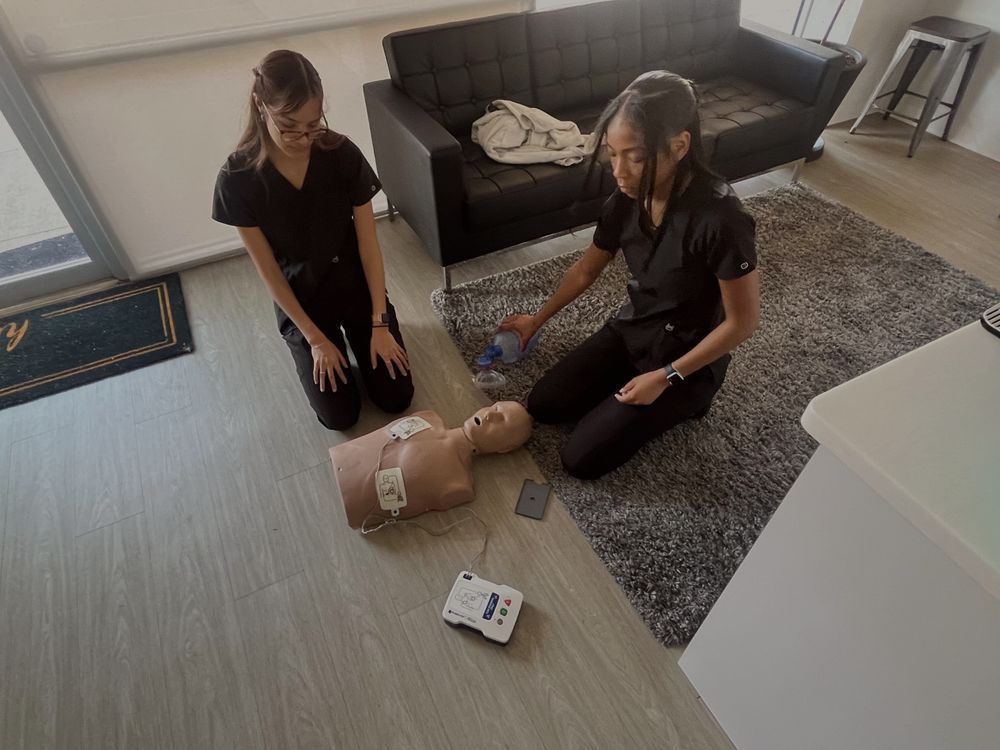
Online coursework allows students to complete lectures, assignments, and quizzes from home, at their own pace. This flexibility helps them stay on track academically while still moving forward in their training. When programs include in-person labs, students get the essential hands-on experience needed to succeed in clinical environments—practicing injections, vitals, EKGs, specimen collection, and more.
Because the program structure is designed for busy adult learners, it naturally works well for high school students too. The hybrid format reduces pressure, increases accessibility, and allows students to focus on learning rather than commuting or rigid scheduling.
Flexible programs also make training more affordable, which is a key consideration for families planning for post-graduation expenses. Since programs can often be completed in 12–16 weeks, students avoid the financial burden of long-term tuition and can begin earning a paycheck sooner.
Overall, these flexible formats open the door for young learners to pursue healthcare training earlier than ever before.
Start Your Healthcare Career With Pulse Medical Assistant School
Start Your Healthcare Career With Pulse Medical Assistant School High school students today have more opportunities than previous generations when it comes to career exploration and skill development. Beginning medical assistant training early allows them to gain practical experience, earn credentials sooner, and step into the healthcare field with confidence. Whether a student plans to become a nurse, pursue medical school, or build a long-term career as an MA, early training provides clarity, direction, and valuable hands-on preparation.
If you’re a student—or a parent of one—interested in healthcare, medical assistant training is one of the fastest, most accessible, and rewarding paths available.
Pulse Medical Assistant School is an online-first, 16-week medical assistant program designed for students who want a fast, flexible, and supportive path into healthcare. With intensive, in-person labs and a curriculum built around real clinical skills, Pulse gives aspiring medical assistants the confidence to help real patients receive real care.
If you’re ready to begin your journey—even while still in high school—Pulse can help you take the first step.
You're only a few months from the medical assistant career you deserve.