Can Medical Assistants Call in Prescriptions_
Can Medical Assistants Call in Prescriptions?
Medical assistants (MAs) play an essential role in today’s healthcare system. They keep clinics running efficiently, support physicians, and ensure patients feel informed and cared for. Because they work so closely with both clinical and administrative responsibilities, many people wonder just how far their scope of practice extends—especially when it comes to prescription medications. One of the most common questions is: Can medical assistants call in prescriptions?
It’s an important question, because patient safety and legal guidelines govern every step of the prescription process. While MAs often take on tasks that help streamline care, their involvement in medication management must follow strict rules. Understanding what medical assistants can and cannot do helps clinics stay compliant and helps aspiring medical assistants enter the field with confidence.
In this article, you’ll learn when medical assistants are allowed to call in prescriptions, how state laws shape these responsibilities, and what related duties MAs commonly perform. You’ll also see why proper training plays such a vital role in preparing new medical assistants to support healthcare teams safely and effectively.
What the Law Says About Medical Assistants Calling in Prescriptions
What the Law Says About Medical Assistants Calling in Prescriptions The short answer is: Medical assistants can call in prescriptions only when a licensed provider explicitly authorizes them to do so. MAs themselves cannot independently prescribe, refill, or authorize medication orders. Instead, they may act as a liaison who communicates a provider’s already-approved prescription to a pharmacy.
This distinction matters. The role of the MA is one of support, not independent clinical judgment. Because prescribing medication involves legal responsibility, state medical boards and pharmacy boards draw clear lines around who can prescribe or modify drug orders. Physicians, nurse practitioners, and physician assistants can prescribe. Medical assistants cannot.
However, most states allow medical assistants to transmit a provider’s medication order—meaning if the physician has already decided the drug, dosage, frequency, and quantity, an MA may call that information into the pharmacy on the provider’s behalf. This is treated as a clerical activity, not a clinical one.
Why Authorization Is Required
Why Authorization Is Required Before an MA can call in a prescription, the provider must:
Approve the prescription
Document the medication order in the medical record
Direct the MA to relay the information
Remain available to answer any pharmacist questions
The MA is simply communicating the provider’s instructions. They are not adjusting or interpreting anything. If the pharmacy asks for clarification the MA cannot provide, the licensed provider must intervene.
State Variations: Why Scope of Practice Differs
While the overall rule is consistent—MAs cannot prescribe but may relay authorized prescriptions—specific regulations vary by state. Some states explicitly name this task in their medical assistant scope of practice. Others leave room for interpretation.
Here are some common state-level variations:
States That Explicitly Allow Prescription Transmissions
Some states make it clear that medical assistants may communicate prescription information when delegated by a licensed provider. In these states, the process is treated as an administrative task similar to scheduling or collecting patient history.
States That Restrict or Regulate the Task More Closely
Other states may place restrictions such as:
Requiring direct onsite supervision
Prohibiting MAs from calling in prescriptions for controlled substances
Requiring formal medical assistant training before delegation is allowed
Allowing written or electronic communication but not verbal phone calls
A medical assistant working in one state may have a different day-to-day experience than someone working in another. This is why every MA—and every employer—needs to understand local laws and clinic policies.
How Employers Set Their Own Guidelines
How Employers Set Their Own Guidelines Even in states where the law allows prescription transmission, clinics may choose to limit this responsibility. Some organizations prefer only nurses or providers to handle medication communication, especially for high-risk or controlled drugs.
Others rely heavily on medical assistants to streamline workflows. In busy offices, having MAs communicate refills or new medication orders on the provider’s behalf helps reduce wait times and improve patient satisfaction.
What Medical Assistants Commonly Do in the Prescription Process
What Medical Assistants Commonly Do in the Prescription Process Even though they cannot prescribe medications, medical assistants are frequently involved in the overall medication workflow. Their support ensures accuracy, efficiency, and smooth communication between providers, pharmacies, and patients.
Here are the most common prescription-related tasks MAs perform in medical settings:
Gathering Medication History
Accurate medication lists are critical for patient safety. MAs often gather information such as:
Names of current prescriptions
Dosages and frequencies
Over-the-counter medications and supplements
Medication allergies
Pharmacy preferences
This information helps providers make informed decisions.
Preparing Prescriptions in the EMR
Many clinics use medical assistants to prepare prescription drafts inside the electronic medical record (EMR) system. The MA enters the details so the provider can review and sign electronically. This task:
Saves providers time
Reduces administrative burden
Helps ensure accuracy through established templates
However, the prescription is not finalized until the provider signs off.
Communicating Prescription Refills
If a patient calls for a refill, an MA may:
Log the request in the EMR
Verify the patient’s chart
Forward the request to the provider
Call the approved refill into the pharmacy
Again, nothing is done without provider approval.
Answering Patient Questions
Medical assistants often field patient questions related to:
Medical assistants often field patient questions related to: When a prescription will be ready
Whether a refill request has been submitted
How to contact their pharmacy
How to contact their pharmacy
How to schedule follow-up appointments
How to schedule follow-up appointments They can provide general information, but they cannot offer medical advice or recommend medication dosages.
Explaining Provider Instructions
If a provider leaves instructions—such as how often to take a medication or what side effects to expect—an MA may repeat this information to the patient. They are allowed to communicate what the provider has already explained but cannot go beyond the provider’s documented guidance.
What Medical Assistants Cannot Do
What Medical Assistants Cannot Do To maintain patient safety, laws and healthcare regulations prohibit medical assistants from performing certain medication-related tasks. These tasks fall outside the MA’s scope of practice because they require clinical judgment, licensure, or diagnostic authority.
Medical assistants cannot:
Medical assistants cannot: Independently prescribe medications
Decide what medication a patient receives
Adjust dosages, frequencies, or treatment plans
Approve or deny refill requests
Give medication advice beyond what the provider has stated
Call in prescriptions without explicit provider permission
Call in controlled substance prescriptions unless permitted by state law and clinic policy
Clarify clinical questions from the pharmacy
If a pharmacist asks something that requires professional judgment—for example, whether a dose is appropriate for a patient’s condition—the MA must transfer the inquiry to the provider.
If a pharmacist asks something that requires professional judgment—for example, whether a dose is appropriate for a patient’s condition—the MA must transfer the inquiry to the provider. These boundaries protect patients and reduce liability for both the MA and the clinic.
Why These Rules Exist: Patient Safety and Legal Compliance
Why These Rules Exist: Patient Safety and Legal Compliance Prescription medications can save lives—but only when they are prescribed and managed safely. Miscommunication or errors in the prescription process can lead to:
Dangerous drug interactions
Incorrect dosages
Wrong medications being dispensed
Delays in patient care
Legal and regulatory consequences
Because of these risks, states establish clear rules about who can prescribe, who can transmit prescription information, and how medication communication should happen. Medical assistants are valuable team members, but they are not licensed to make medical decisions.
By limiting MAs to communication-based tasks under supervision, healthcare systems achieve a balance:
Providers maintain responsibility for clinical decisions
Medical assistants help increase efficiency and reduce administrative burden
Medical assistants help increase efficiency and reduce administrative burden
Patients receive safe, timely care
This system works when everyone understands their role.
Training Matters: How Proper Education Prepares MAs for Medication Responsibilities
Training Matters: How Proper Education Prepares MAs for Medication Responsibilities
Even though medical assistants don’t make medication decisions, they still need strong training in:
Medical terminology
Pharmacology basics
EMR workflows
Patient communication
Legal and ethical guidelines
Scope of practice
Provider delegation
Medication safety protocols
A great medical assistant program teaches these components clearly so graduates know how to participate in medication workflows safely and confidently.
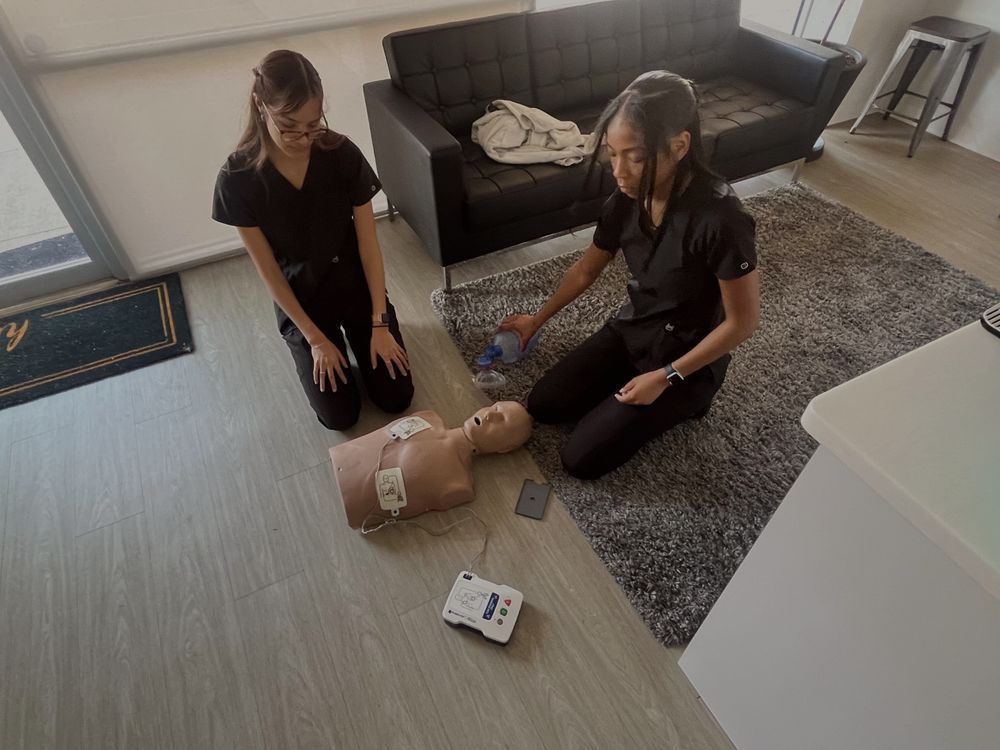
Hands-on labs and real clinical experience are especially important. MAs learn how to:
Document accurately
Work with providers on medication orders
Communicate clearly with pharmacies
Support patients with professionalism
Follow state and clinic rules precisely
This level of confidence comes only from a program that blends online convenience with in-person clinical practice.
The Bottom Line: Yes, Medical Assistants Can Call in Prescriptions—But Only Under Specific Conditions
The Bottom Line: Yes, Medical Assistants Can Call in Prescriptions—But Only Under Specific Conditions
Medical assistants are vital to medication workflows, but strong limitations protect patient safety. MAs can call in prescriptions only when:
Medical assistants are vital to medication workflows, but strong limitations protect patient safety. MAs can call in prescriptions only when:
A licensed provider has already authorized the medication
The MA is relaying, not interpreting, the prescription
The MA is relaying, not interpreting, the prescription State laws and employer policies permit it
The MA stays within the boundaries of communication rather than clinical decision-making
The MA stays within the boundaries of communication rather than clinical decision-making For anyone entering the medical field, understanding these boundaries is essential. It ensures compliance with healthcare laws and creates a clear, collaborative environment where providers, MAs, pharmacists, and patients all work together smoothly.
Launch Your Medical Assistant Career with Confidence
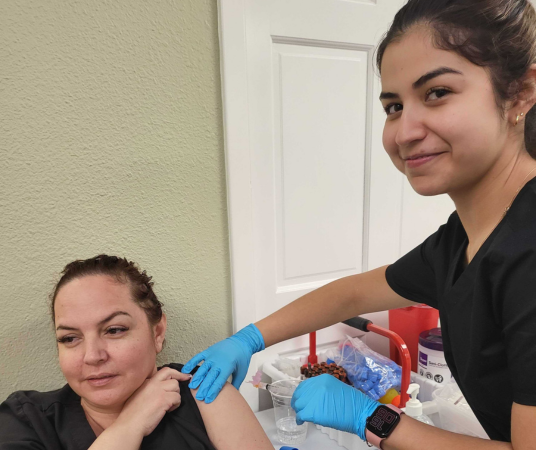
Launch Your Medical Assistant Career with Confidence If you’re preparing for a healthcare career and want strong training in real-world clinical skills, the right education makes all the difference. Pulse Medical Assistant School offers an online-first, 16-week medical assistant program that blends flexible learning with intensive, in-person labs. These hands-on labs give aspiring medical assistants the confidence to help real patients receive real care—and prepare you to handle responsibilities like medication communication safely and professionally.
When you’re ready to begin your journey, Pulse provides the structure, support, and practical experience needed to thrive in today’s medical field.
You're only a few months from the medical assistant career you deserve.