Can Medical Assistants Give Injections_ What the Law Says
Can Medical Assistants Give Injections? What the Law Says
Medical assistants play a critical role in today’s healthcare system, supporting physicians, nurses, and specialists across clinics, urgent care centers, hospitals, and private practices. As demand for skilled medical assistants continues to grow, one of the most common questions people ask is whether medical assistants are legally allowed to give injections. Because injections are such a routine part of patient care, understanding what medical assistants can—and cannot—do is essential for anyone considering this career.
The good news? In most parts of the United States, medical assistants can give injections, but the rules vary by state and depend heavily on employer policies, supervision requirements, and the type of injection being administered. Beyond injections, medical assistants perform a wide range of clinical and administrative duties that keep patient care running smoothly. This guide breaks it all down so you know exactly what the law says and what responsibilities medical assistants can take on.
Can Medical Assistants Give Injections? The Short Answer
Yes, in most states medical assistants are allowed to give injections—but only under specific conditions. These conditions typically include:
Working under the direct supervision of a licensed professional, such as a physician, physician assistant, or nurse practitioner
Working under the direct supervision of a licensed professional, such as a physician, physician assistant, or nurse practitioner
Receiving appropriate training and competency evaluation
Following all clinic, state, and federal safety protocols
Medical assistants are often trained to administer:
Medical assistants are often trained to administer: Intramuscular (IM) injections, such as vaccines
Subcutaneous (SQ) injections, such as insulin
Intradermal (ID) injections, such as TB tests
These injections are part of routine patient care, and medical assistants are frequently the team members responsible for preparing and administering them once training is complete.
However, whether a medical assistant can give an injection also depends on state law. Some states—like California—list exactly which injections medical assistants may administer. Other states provide general guidelines, leaving final decisions to employers. A handful of states have stricter limitations or require more direct oversight.
Why States Allow Medical Assistants to Give Injections
Why States Allow Medical Assistants to Give Injections Healthcare has changed dramatically over the last two decades. As patient volume increases and providers work to deliver care more efficiently, medical assistants have become an essential part of the care team. Allowing them to give injections helps:
Reduce wait times
Increase access to routine vaccinations
Improve clinical workflows
Ensure licensed providers can focus on diagnosis and treatment
Because injections are predictable and follow clear administration protocols, they are considered safe for trained medical assistants to perform under supervision.
Examples of Injections Medical Assistants Commonly Give
Vaccines
Medical assistants often administer influenza, COVID-19, tetanus, HPV, and other routine vaccines in clinics and urgent care settings.
Medical assistants often administer influenza, COVID-19, tetanus, HPV, and other routine vaccines in clinics and urgent care settings. Medication Injections
Providers may order medications such as steroid injections, B12 shots, or allergy injections that a medical assistant can prepare and deliver after proper training.
Testing Injections
Medical assistants regularly administer intradermal injections for TB skin tests.
Medical assistants regularly administer intradermal injections for TB skin tests.
Insulin and Other Self-Managed Medications
Medical assistants may help patients manage injections they must administer at home by demonstrating proper technique on behalf of a licensed provider.
Medical assistants may help patients manage injections they must administer at home by demonstrating proper technique on behalf of a licensed provider.
What Medical Assistants Cannot Do When It Comes to Injections
What Medical Assistants Cannot Do When It Comes to Injections Even in states where medical assistants are permitted to administer injections, there are still legal limitations. Medical assistants are not allowed to:
Administer anesthesia (local, regional, or general)
Give IV medications or start IV lines in most states
Perform injections without supervision
Perform injections in settings where state law prohibits delegation
Medical assistants also cannot interpret diagnostic results, make clinical decisions, adjust medication dosages, or perform any task considered outside their training.
Medical assistants also cannot interpret diagnostic results, make clinical decisions, adjust medication dosages, or perform any task considered outside their training.
Other Clinical Responsibilities Medical Assistants Handle
While injections are a major part of the job in many settings, medical assistants are trained for much more. Here are some of the most common responsibilities medical assistants perform in clinical environments.
Taking Patient Vital Signs
Medical assistants take and record:
Medical assistants take and record: Blood pressure
Pulse
Respiratory rate
Temperature
Oxygen saturation
Weight and height
Accurate vitals provide the clinical foundation for diagnosis and treatment.
Preparing Patients for Exams
Before the provider enters the exam room, medical assistants:
Verify the patient’s history
Document current symptoms
Review medications
Assist patients with gowns and positioning
Gather necessary tools or supplies
This preparation ensures the visit goes smoothly and efficiently.
Collecting Laboratory Samples
Most medical assistants are trained to collect:
Blood samples via phlebotomy
Urine samples
Throat swabs
Nasal swabs
Stool sample kits
They may also process specimens for in-house testing.
Performing Basic Lab Tests
Under supervision, medical assistants often operate CLIA-waived tests, including:
Blood glucose testing
Rapid strep tests
COVID-19 antigen tests
Urinalysis
Hemoglobin tests
These quick diagnostics help providers make immediate clinical decisions.
Assisting with Minor Procedures
In family medicine, dermatology, orthopedics, and urgent care, medical assistants frequently assist with:
Wound care
Suture or staple removal
Casting or splinting assistance
Sterile field preparation
Biopsy setup
They play a vital role in supporting providers during hands-on care.
Sterilizing and Maintaining Equipment
Medical assistants are responsible for:
Medical assistants are responsible for: Cleaning exam rooms
Sanitizing instruments
Managing autoclave cycles
Replacing sharps containers
Disposing of biohazard materials correctly
This ensures the clinic maintains a clean and safe environment.
Patient Education and Communication
Medical assistants often explain:
Medical assistants often explain: After-visit summaries
Medication instructions
Wound care steps
Vaccine information
Follow-up appointment requirements
They also help patients feel supported and informed.
Managing Medical Records
A key administrative function of the role includes:
Updating electronic health records
Entering lab results
Noting patient history updates
Tracking vaccinations and screenings
Chart accuracy is essential for safe and effective care.
Understanding State-by-State Variations
Understanding State-by-State Variations While injections are widely allowed, every state’s medical practice act outlines its own rules. These laws define:
What tasks can be delegated
What tasks can be delegated
What supervision is required
What supervision is required
Which types of injections are permitted
Whether training must be documented
Some states require direct supervision, meaning the provider must be physically present. Others allow indirect supervision, where the provider is available by phone.
This variation means that two medical assistants with the same training may have different responsibilities depending on where they work.
Why Employers Rely on Medical Assistants for Injections
Why Employers Rely on Medical Assistants for Injections
Medical practices choose to delegate injections to medical assistants for several reasons:
Efficiency
Medical assistants help keep patient flow steady, allowing licensed professionals to handle more complex cases.
Medical assistants help keep patient flow steady, allowing licensed professionals to handle more complex cases. Specialization
Many MAs develop a high level of skill and confidence with injections through repeated hands-on experience.
Patient Comfort
Patients often feel more relaxed with a trained MA who explains steps clearly and performs the procedure efficiently.
Accessibility
Allowing MAs to handle injections helps healthcare systems provide timely care, especially during vaccine seasons.
How Medical Assistants Learn Injection Skills
How Medical Assistants Learn Injection Skills
Injection training happens through:
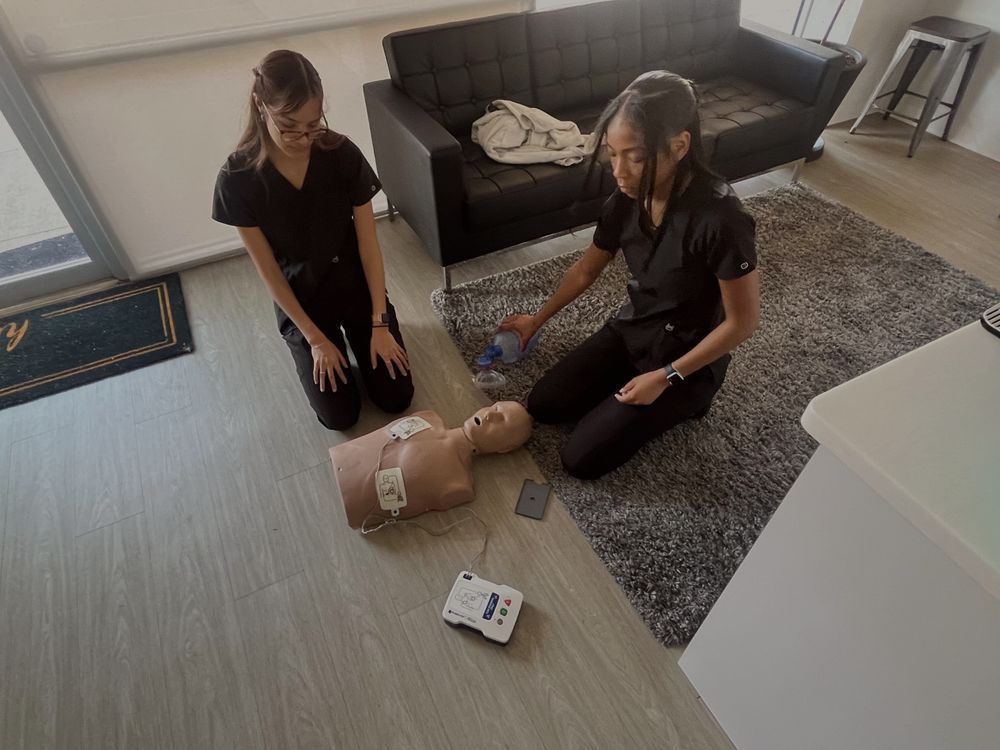
Hands-on labs
Instructor demonstrations
Practice on clinical simulation models
Externship experience
Students learn:
Proper needle selection
Landmarking and site location
Aseptic technique
Safe injection angles
Dose verification
Documentation
Post-injection monitoring
Sharps disposal and OSHA compliance
This training ensures medical assistants are fully prepared to administer injections safely.
Why Proper Training Matters
Why Proper Training Matters
Injections may be routine, but they must be handled with precision. High-quality training ensures:
Correct dosage
Safe administration technique
Accurate patient documentation
Prevention of adverse reactions
Compliance with state law
Clinic-wide health and safety
Medical assistants who feel confident in their clinical abilities often perform injections with the same skill level as seasoned healthcare professionals.
Medical assistants who feel confident in their clinical abilities often perform injections with the same skill level as seasoned healthcare professionals.
Medical Assistants Can Give Injections—With the Right Training
Medical Assistants Can Give Injections—With the Right Training For anyone considering a career in healthcare, becoming a medical assistant is a fast, accessible, and rewarding path. In most states, medical assistants are allowed to give injections, making the role even more hands-on and patient-facing. However, legal requirements vary, so it’s essential to receive proper training and understand state-specific guidelines.
With strong clinical skills—including injections, vital signs, lab work, and procedure support—medical assistants help deliver safe, efficient, and compassionate care to patients every day.
Ready to Train for a Hands-On Medical Assistant Career?
Ready to Train for a Hands-On Medical Assistant Career? If you want to build real clinical confidence—including in administering injections—the right training program makes all the difference. Pulse Medical Assistant School is an online-first, 16-week medical assistant program with intensive, in-person labs that prepare aspiring medical assistants to help real patients receive real care. You’ll get the skills, hands-on experience, and support you need to start a meaningful career in healthcare.
You're only a few months from the medical assistant career you deserve.