Can Medical Assistants Refuse to Perform Certain Procedures_
Can Medical Assistants Refuse to Perform Certain Procedures?
Medical assistants play a vital role in today’s healthcare system, working closely with physicians, nurses, and patients to keep clinics functioning safely and efficiently. Because medical assistants (MAs) handle such a wide range of clinical and administrative responsibilities, situations sometimes arise where they may feel uncomfortable with a specific task or unsure whether a procedure falls within their legal scope of practice. This leads to an important question: Can medical assistants refuse to perform certain procedures?
The answer depends on several factors, including state laws, employer policies, ethical considerations, and patient safety standards. Medical assistants are unlicensed support professionals—meaning their ability to perform medical tasks is strictly limited by regulation. They must only carry out procedures that are within their state’s defined scope of practice and have been appropriately delegated by a supervising provider.
If an MA is asked to perform something unsafe, unethical, untrained, or illegal, refusal isn’t just allowed—it’s necessary. This article breaks down the reasons a medical assistant may refuse to perform a procedure, how to navigate these situations professionally, and how proper training empowers MAs to work confidently within their role.
Understanding an MA’s Legal Scope of Practice
Understanding an MA’s Legal Scope of Practice Every state defines what medical assistants are legally allowed to do. Some states offer detailed lists of permitted clinical tasks, while others provide broader guidelines, but the principle remains the same: medical assistants may only perform duties that are non-invasive, routine, and supervised.
Common permitted tasks include:
Common permitted tasks include: Taking vital signs
Administering injections (in many, but not all, states)
Preparing exam rooms
Preparing exam rooms
Assisting with minor procedures
Collecting specimens
Patient intake and documentation
Basic laboratory tasks
Procedures that fall outside an MA’s scope—such as diagnosing medical conditions, interpreting tests, prescribing medications, or performing invasive techniques—are strictly prohibited.
If a supervising provider asks an MA to perform something outside of these boundaries, the MA has both the legal right and the ethical responsibility to refuse. Doing otherwise could endanger the patient and expose both the medical assistant and employer to liability.
When Medical Assistants Should Refuse to Perform a Procedure
While medical assistants generally carry out tasks under supervision, there are several clear scenarios where refusal is necessary. Understanding these situations protects not only patients but also the MA’s professional integrity.
When the Procedure Is Outside Their Legal Scope of Practice
This is the most important reason for refusal. For example:
Suturing wounds
Administering anesthesia
Performing laser treatments
Conducting invasive procedures
Independently triaging or diagnosing patients
Even if a supervisor insists they “will walk you through it,” this does not override state law. The medical assistant must decline and reference the legal restrictions.
When They Have Not Been Properly Trained
Even permitted tasks require adequate training and demonstrated competency. A medical assistant may refuse a procedure if:
They’ve never been trained on the technique
They were trained long ago and do not feel confident
The equipment or setting is unfamiliar
The equipment or setting is unfamiliar
Performing the task would compromise patient safety
Medical assistants are expected to prioritize safety over convenience. Politely communicating lack of training is not unprofessional—it’s responsible.
When the Request Violates Ethical Standards
Medical assistants may encounter ethical dilemmas involving:
Medical assistants may encounter ethical dilemmas involving: Patient consent
Privacy concerns
Unsafe working conditions
Disrespectful or biased directives
Potential harm to the patient
For example, if a provider asks an MA to proceed with a procedure on a patient who has not given informed consent—or on a minor without appropriate guardianship—the MA must decline and report the issue.
When They Are Being Asked to Work Without Proper Supervision
Since medical assistants are unlicensed, they cannot operate independently. Refusal is appropriate when:
A provider is not physically available when required by state law
The MA is expected to make clinical decisions beyond their training
The MA is expected to make clinical decisions beyond their training
The clinic is short-staffed and tasks are being delegated improperly
The clinic is short-staffed and tasks are being delegated improperly If a situation jeopardizes patient safety due to lack of supervision, stepping back is both justified and required.
When the Procedure Presents Personal Health Risks
In rare cases, an MA may refuse based on health concerns—for example:
Handling hazardous chemicals without PPE
Performing tasks that would exacerbate a medical condition
Exposure to bodily fluids without proper safety measures
Healthcare settings are obligated to maintain safe working environments. If that standard is not being met, refusal is warranted.
How to Professionally Refuse a Procedure
How to Professionally Refuse a Procedure Refusal is not about confrontation—it’s about maintaining safety, ethics, and compliance. Medical assistants can decline a task while remaining respectful and communicative.
Here’s a professional approach:
Explain the Reason Clearly
State the basis for refusal, such as:
“This procedure is outside my scope of practice under state regulations.”
“I have not been trained or certified to perform this task safely.”
“I cannot proceed without patient consent.”
Clear reasoning reduces misunderstandings and shows professionalism.
Reference Policy or State Regulations
Supporting your refusal with documentation makes the conversation objective rather than personal. Most clinics appreciate adherence to guidelines.
Offer an Alternative Solution When Appropriate
Medical assistants can help maintain workflow by suggesting:
Medical assistants can help maintain workflow by suggesting:
Another trained team member
Supervisor support
An alternate way to complete the task safely
This demonstrates a collaborative attitude rather than obstruction.
Report Unsafe or Illegal Requests Through Proper Channels
If a supervisor persists in making inappropriate requests, MAs may follow clinic protocols for reporting concerns to HR, compliance officers, or practice managers.
Patient safety must always come first—and employers are legally required to respect scope-of-practice boundaries.
Why Gray Areas Exist in Clinical Practice
Why Gray Areas Exist in Clinical Practice
Sometimes the lines aren’t perfectly clear, especially in states with broad MA regulations. For example:
Some states allow MAs to give injections; others do not.
Some allow MAs to assist in more complex procedures if a physician is present.
Some states require additional certifications for tasks like X-rays or phlebotomy.
Because healthcare environments vary widely—from small family practices to urgent-care centers—medical assistants must be knowledgeable about their state’s laws and their employer’s rules.
If uncertainty exists, the safest response is always to ask questions before acting.
The Importance of High-Quality Training for Medical Assistants
The Importance of High-Quality Training for Medical Assistants Proper training is one of the strongest safeguards against unsafe delegation and uncomfortable workplace situations. A strong medical assistant education covers:
Clinical procedures
Administrative tasks
Hands-on skills
Medical law and ethics
Infection control
Scope-of-practice guidelines
Patient communication
Emergency procedures
Medical assistants who understand legal boundaries and feel confident in their skills are far better equipped to recognize and respond to inappropriate requests.
Medical assistants who understand legal boundaries and feel confident in their skills are far better equipped to recognize and respond to inappropriate requests. High-quality training not only builds competency but also empowers medical assistants to advocate for themselves and their patients.
Common Examples of Procedures MAs Often Question
Common Examples of Procedures MAs Often Question
Below are real-to-life scenarios where medical assistants commonly ask whether they can legally or ethically perform a task:
Drawing blood for specialized tests
Most states allow venipuncture, but MAs must be trained—and some states require formal certification.
Assisting with minor surgeries
Usually permitted as long as supervision is direct, not remote.
Administering injections
Widely allowed, but the supervising provider must verify competency and the state must permit it.
Performing EKGs
Generally within scope but requires training.
Generally within scope but requires training. Handling prescription refills
MAs may communicate refill requests but cannot authorize medications.
Providing patient education
Basic instructions are allowed, but counseling or treatment advice is not.
When in doubt, medical assistants should always ask.
Balancing Professional Boundaries With Team Collaboration
Refusing a procedure can feel intimidating, especially in fast-paced environments where every team member is under pressure. However, the best healthcare teams understand and respect each other’s roles.
Medical assistants protect both patients and providers when they speak up. Refusal, when justified, is not an obstacle—it’s an essential part of ethical clinical care.
Medical assistants protect both patients and providers when they speak up. Refusal, when justified, is not an obstacle—it’s an essential part of ethical clinical care. Clear communication, strong training, and supportive supervision ensure that MAs operate safely and confidently within their scope.
Why Saying “No” Sometimes Means You’re Doing Your Job Right
Why Saying “No” Sometimes Means You’re Doing Your Job Right Many new medical assistants worry that refusing a task may reflect poorly on them. In reality, the opposite is true.
A medical assistant who understands their limits:
Reduces clinic liability
Improves patient safety
Supports compliance
Demonstrates professionalism
Builds trust with supervisors
Healthcare is a team effort, and teams function best when every member knows their role, training level, and boundaries.
A well-trained medical assistant who refuses a procedure for the right reasons is showing responsibility—not resistance.
Medical Assistants Have the Right—and Duty—to Protect Patients and Themselves
Medical Assistants Have the Right—and Duty—to Protect Patients and Themselves
So, can medical assistants refuse to perform certain procedures? Absolutely—and sometimes they must.
So, can medical assistants refuse to perform certain procedures? Absolutely—and sometimes they must.
Medical assistants should decline tasks that are:
Medical assistants should decline tasks that are:
Outside their legal scope of practice
Unsafe or unethical
Beyond their training
Requested without proper supervision
Potentially harmful to their own health
The key is refusing professionally, clearly, and respectfully. Strong training programs help MAs understand exactly what they can and cannot do, boosting confidence and reducing the likelihood of unsafe situations.
For aspiring medical assistants, the best protection is knowledge. With the right education, MAs can step into their roles with clarity, competence, and the confidence to advocate for what’s safe and legal.
Start Your MA Career With Confidence
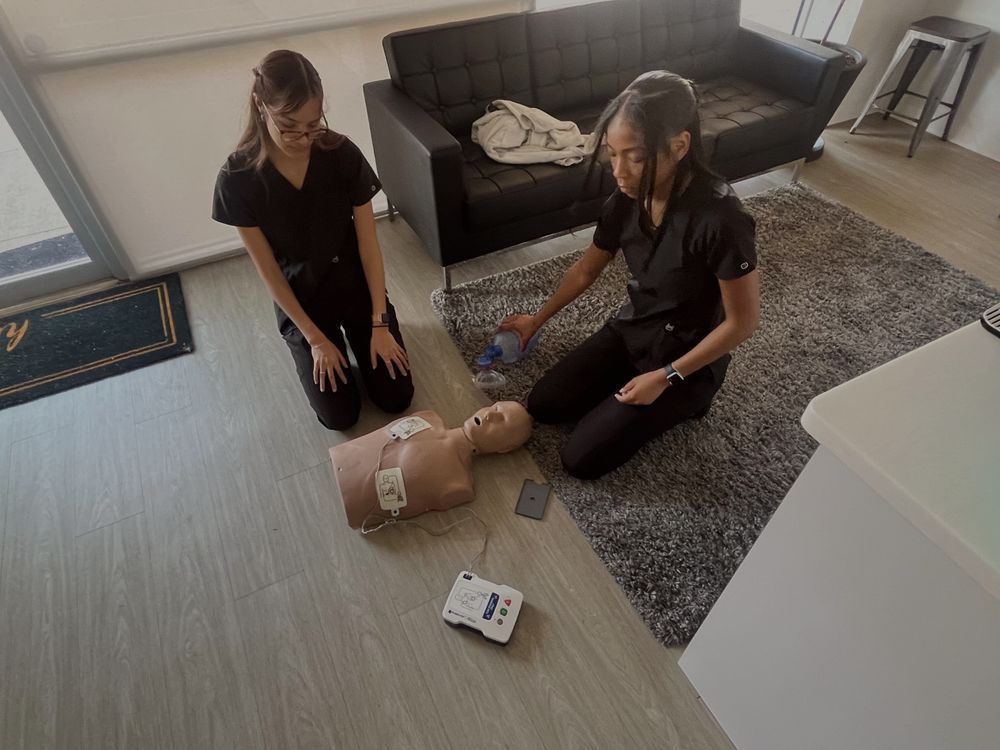
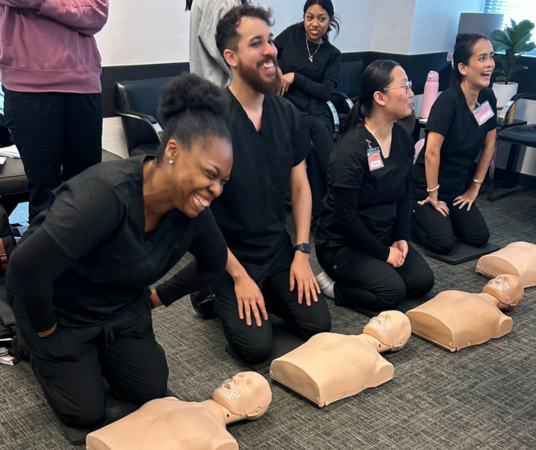
Start Your MA Career With Confidence If you’re preparing for a future in medical assisting, choosing the right training program makes all the difference. Pulse Medical Assistant School is an online-first, 16-week medical assistant program featuring intensive, in-person labs that give students the real-world practice they need to care for real patients with confidence.
Start your journey with the hands-on skills and knowledge that empower you to work safely, ethically, and professionally from day one.
You're only a few months from the medical assistant career you deserve.