Can Medical Assistants Work Travel Jobs_ Opportunities and Pay
Can Medical Assistants Work Travel Jobs? Opportunities and Pay
Travel healthcare roles have surged in popularity, offering professionals a chance to earn more money, explore new places, and gain valuable experience in diverse clinical environments. While travel nurses often get the spotlight, many people are surprised to learn that medical assistants (MAs) can also work travel jobs—and in today’s healthcare landscape, travel MAs are in high demand.
For aspiring or current medical assistants, travel assignments create a path to expand skills, build confidence, and unlock greater financial opportunity. Whether your goal is to earn a higher income, test out different healthcare settings, or enjoy a change of scenery from time to time, travel MA roles are worth exploring.
This guide breaks down everything you need to know about travel medical assistant work—including job types, certifications, pay ranges, benefits, and how to get started.
What Is a Travel Medical Assistant?
What Is a Travel Medical Assistant? A travel medical assistant is a trained MA who accepts temporary assignments—typically lasting 8 to 26 weeks—in clinics, hospitals, specialty practices, and mobile care units across the country. Rather than staying with a single employer, travel MAs contract with a staffing agency that deploys them wherever demand is highest.
Assignments can include:
Primary care clinics
Urgent care centers
Surgical centers
Specialty practices like dermatology, OB/GYN, podiatry, or orthopedics
Public health and community outreach programs
Health fairs, screenings, and employer wellness events
Rural or underserved medical facilities
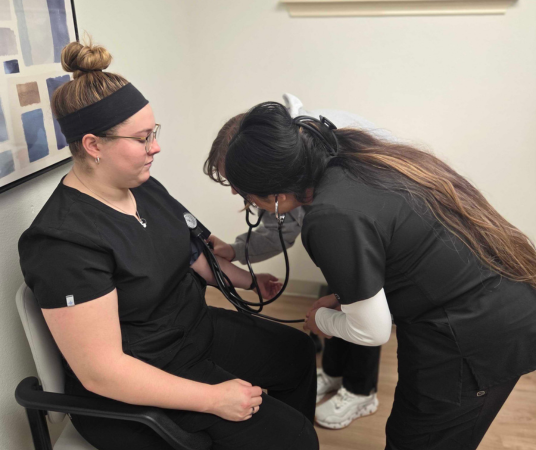
Travel MAs complete the same clinical and administrative duties as traditional MAs—such as taking vital signs, preparing examination rooms, collecting samples, conducting EKGs, assisting with minor procedures, and supporting patient documentation. The difference lies in flexibility, travel requirements, and pay structure.
Why Healthcare Facilities Hire Travel MAs
Why Healthcare Facilities Hire Travel MAs Healthcare staffing needs change constantly. Medical practices and clinics turn to travel MAs for several reasons:
Seasonal surges
Cold and flu season, allergy season, tourist season, and other predictable fluctuations cause spikes in patient volume. Clinics often need temporary help to keep wait times low.
Staffing shortages
Whether it’s employee turnover, medical leave, or rapid growth, facilities frequently need short-term coverage to maintain operations.
Expansion and new locations
A clinic may hire travel MAs to support newly opened facilities or temporary satellite offices.
Specialized outreach programs
Mobile health units, corporate wellness events, health fairs, and nonprofit organizations sometimes hire travel MAs for short-term assignments across various cities.
Whatever the reason, the demand for flexible, skilled MAs has grown—making travel positions increasingly accessible.
What Qualifications Do You Need to Become a Travel Medical Assistant?
What Qualifications Do You Need to Become a Travel Medical Assistant? While some medical assistant roles allow on-the-job training, travel MA positions typically require more formal preparation. Employers and staffing agencies want reassurance that travel MAs can adapt quickly without extensive onboarding.
Most travel MA employers look for:
A medical assistant certificate or diploma
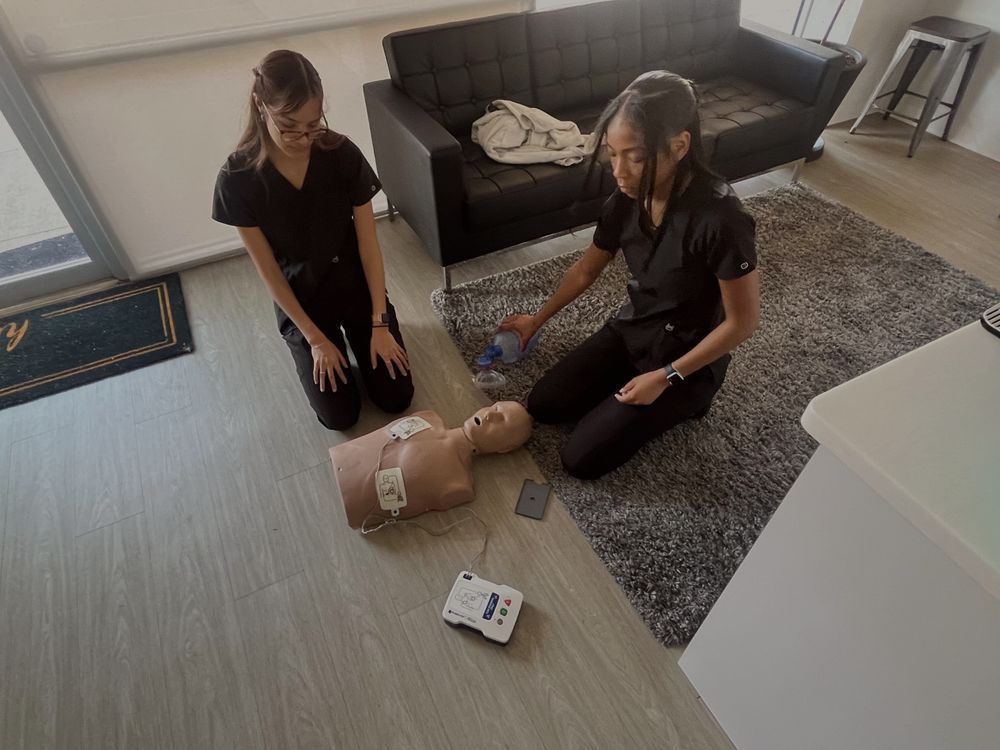
An accelerated training program—especially one with strong clinical labs—is a major advantage. These programs teach:
Phlebotomy
EKG administration
Infection control
Vital signs
Clinical procedures
Patient communication
HIPAA compliance
Basic pharmacology
Clinical experience
Some staffing agencies require six months to one year of work experience. Others accept new graduates from reputable training programs—especially those with robust hands-on labs.
Flexibility and adaptability
Travel MAs are expected to jump into new environments quickly. Strong communication skills and comfort with different clinical workflows are essential.
What Types of Travel Jobs Can Medical Assistants Work?
What Types of Travel Jobs Can Medical Assistants Work? Travel MAs have access to a wide range of roles depending on their skill set and interests. Some of the most common include:
Travel MA for primary care or family practice
These roles mirror everyday clinic work—taking vitals, rooming patients, assisting physicians, and documenting visits.
Urgent care travel MA
Fast-paced clinics often use travel MAs to manage seasonal surges. You may assist with:
Splinting
EKGs
Rapid tests
Triage
Basic wound care
Specialty travel medical assistant
Specialties like cardiology, dermatology, orthopedics, OB/GYN, and gastroenterology regularly hire temporary MAs.
Mobile or travel healthcare clinics
Staff mobile exam units for:
Corporate health events
School physicals
Vaccination drives
Community screenings
These assignments may have you traveling weekly to different locations within a state or region.
Rural healthcare support
Clinics in underserved areas often offer higher-than-average pay to attract travel MAs willing to work temporarily in remote regions.
Long-term travel assignments (13–26 weeks)
Some facilities offer full-time travel assignments with extended contracts and optional renewals.
Short-term travel shifts
Single-weekend or one-day assignments—such as flu clinics and health fairs—are available for MAs who want side income without full-time travel.
How Much Do Travel Medical Assistants Get Paid?
How Much Do Travel Medical Assistants Get Paid? Travel MA pay varies by location, assignment length, certification, and experience. However, travel MAs generally earn more than permanent, full-time MAs due to the demand for temporary coverage.
National Pay Range for Travel Medical Assistants
Most travel MAs earn:
$20–$30 per hour on average
Up to $35–$40 per hour in high-demand markets
Highly competitive or rural roles sometimes offer:
$1,000–$1,400 per week
$50,000–$72,000 annually (full-time travel)
Some assignments also include:
Housing stipends
Meal stipends
Travel reimbursement
Completion bonuses
Overtime opportunities
Many MAs transition into travel positions specifically for the pay boost. Even those with only one year of experience often see noticeable income increases.
What Factors Influence Travel MA Pay?
What Factors Influence Travel MA Pay?
Several variables affect your hourly wage or weekly stipend:
- Location
Areas with high cost of living or staffing shortages pay more. States like California, Washington, Massachusetts, and New York generally offer the highest pay for travel MAs.
Certifications
Certified MAs frequently earn $2–$5 more per hour than non-certified MAs.
Assignment type
Specialty clinics usually pay more than primary care.
Shift differential
Evenings, weekends, and urgent care shifts tend to pay higher rates.
Experience level
Travel agencies may offer premium pay to MAs with multi-specialty or urgent care experience.
Pros and Cons of Working as a Travel Medical Assistant
Pros and Cons of Working as a Travel Medical Assistant
If you’re considering this career path, it’s helpful to weigh the advantages and challenges.
If you’re considering this career path, it’s helpful to weigh the advantages and challenges. Pros
Higher earning potential
Travel roles typically pay significantly more—especially in high-demand regions.
Traveling the country
Assignments let you explore new cities, outdoor destinations, and cultural experiences.
Diverse clinical experience
You gain exposure to different specialties, patient populations, and workflows—strengthening your resume.
Housing and stipend options
Some jobs include tax-free housing allowances, meals, and travel reimbursement.
Resume growth and specialization
Traveling can help you discover new interests or pivot into specialty areas.
Cons
Less long-term stability
Assignments are temporary, so you may need to move or find a new contract every few months.
Consistent learning curves
Every clinic has different systems, personalities, and expectations—requiring patience and adaptability.
Travel logistics
Frequent travel means packing, housing coordination, and adjusting to new routines.
Possible certification requirements
Some agencies require proof of national certification, which may require an exam.
Despite the challenges, many MAs feel the benefits outweigh the drawbacks—especially when they enjoy variety, new environments, and higher pay.
How to Become a Travel Medical Assistant
How to Become a Travel Medical Assistant If you want to pursue travel assignments, here are the steps to get started:
Complete a reputable medical assistant training program
Travel agencies often prefer candidates who attended high-quality, hands-on programs. Accelerated MA training equips you with the clinical and administrative skills needed to adapt quickly to new environments.
Earn a national MA certification
The CCMA, CMA, RMA, or NCMA credential increases your earning potential and job options.
Build clinical experience
Six months to one year working in a clinic, primary care office, or specialty area helps you gain confidence.
These agencies recruit both new and experienced MAs.
Choose your assignment locations
Consider:
States that offer higher pay
Regions with less competition
Cities you want to explore
Your housing preferences
Keep your skills sharp
Because you’ll be working in new environments frequently, staying up to date with clinical skills, patient communication, and EHR systems is beneficial.
Is Travel MA Work Right for You?
Travel MA jobs are ideal for individuals who:
Enjoy new experiences
Want higher pay
Prefer flexible work schedules
Are comfortable adapting quickly
Like meeting new coworkers and patient populations
Want to strengthen their resume with diverse experience
If you value stability and routine, full-time permanent MA work might be a better fit. But if you’re energized by change and motivated by earning potential, travel MA careers open the door to unique opportunities.
Start Your Medical Assistant Journey with Pulse
Start Your Medical Assistant Journey with Pulse Medical assistants absolutely can work travel jobs—and the demand for flexible, skilled MAs has never been higher. With competitive pay, the chance to explore new places, and opportunities to build a strong clinical background, travel MA positions offer an exciting career path.
If you’re considering becoming a travel MA, your first step is building a strong clinical foundation through a comprehensive training program.
Pulse Medical Assistant School is an online-first, 16-week medical assistant program with intensive, in-person labs that prepare learners to confidently support real patients in real clinical environments. Whether your goal is to work in a local clinic or explore travel MA assignments across the country, Pulse gives you the skills, hands-on training, and certification readiness you need to succeed.
You're only a few months from the medical assistant career you deserve.