Can You Become a Medical Assistant Through On-the-Job Training_ A Guide
Can You Become a Medical Assistant Through On-the-Job Training? A Guide
Many people who want to enter the healthcare field wonder whether they can skip formal education and jump straight into hands-on learning at a medical office. Medical assisting is one of the few healthcare professions where on-the-job training is still possible in certain states and clinical settings, especially smaller private practices. This pathway can make the transition into healthcare feel quicker, more affordable, and more accessible for motivated career starters or career changers.
However, the requirements, expectations, and limitations of on-the-job training can vary widely. Some employers may be willing to teach skills from scratch, while others expect prior experience, certification, or completion of an accredited training program. Understanding what on-the-job training really looks like—and what advantages and challenges come with it—can help you decide whether it’s the right entry point for you. Below are five reasons why becoming a medical assistant through on-the-job training is possible, along with why structured education still matters.
Some Employers Are Willing to Train You From the Ground Up
In certain healthcare environments, especially small family practices or specialty clinics, providers may choose to train new hires with no formal medical background. These employers often value attitude, reliability, and customer service skills just as much as clinical knowledge. If you demonstrate strong communication, compassion, and the ability to learn quickly, you may be offered a chance to develop medical assistant skills on-site.
During this type of training, you’ll learn directly from experienced medical assistants, nurses, and providers. They may show you how to take patient vital signs, prepare exam rooms, assist with procedures, and handle administrative tasks like scheduling and insurance verification. The benefit is immediate exposure to the real day-to-day behind the role, without waiting months before entering the workforce.
However, it’s worth noting that while some employers offer this path, many do not—especially as patient care and healthcare technology become more complex. Competition for these roles can also be intense, making it helpful to build a fundamental understanding of medical assisting before applying.
On-the-Job Training Helps You Build Practical, Real-World Skills Fast
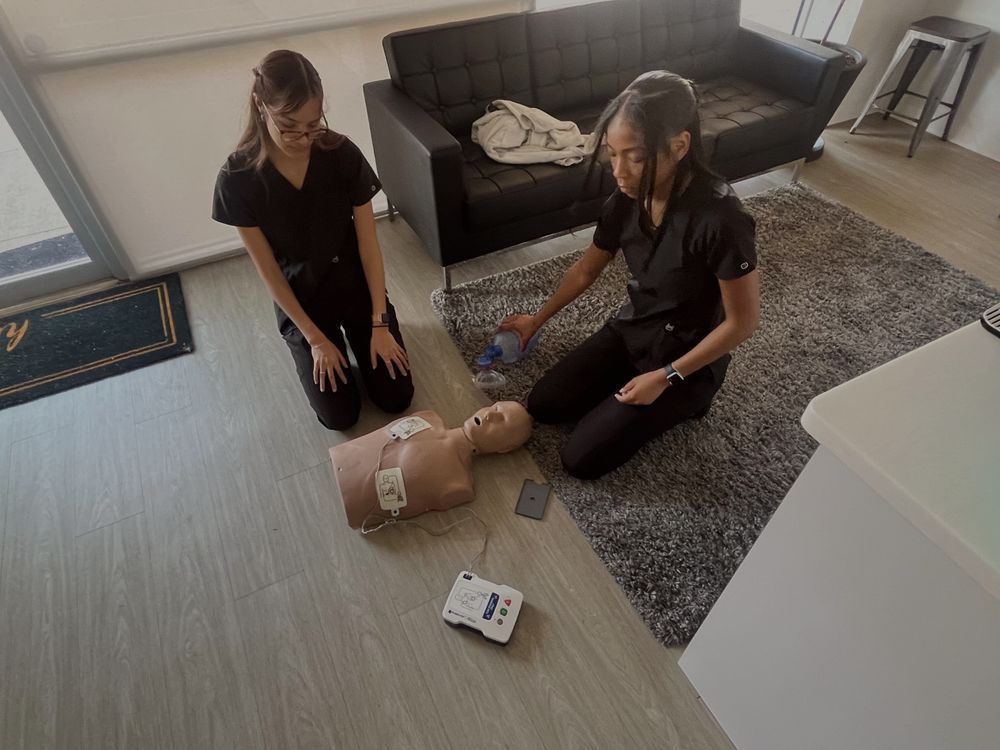
One of the biggest advantages of learning on the job is developing skills in real clinical settings. Instead of practicing on mannequins or simulations, you gain experience with actual patients, real providers, and unpredictable daily challenges. This can accelerate your confidence and help you understand how clinical workflows operate.
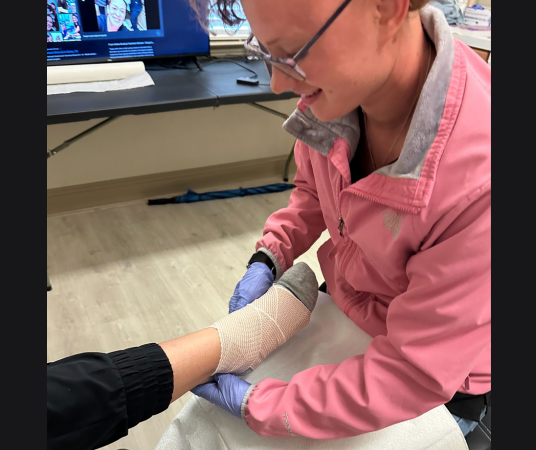
You might learn to check patients in, take vital signs, update electronic health records (EHRs), administer injections (depending on your state), remove sutures, perform EKGs, and support minor procedures. This hands-on learning environment allows you to absorb new skills quickly because you’re practicing them repeatedly throughout the workday.
This type of training also exposes you to the fast-paced nature of healthcare. You’ll develop the ability to multitask, communicate with patients under stress, and adapt to changing priorities. These are valuable skills that employers look for, regardless of your training pathway.
You Can Work While You Learn—Helping You Earn an Income Immediately
For many people, the biggest hurdle to starting a new career is stepping away from full-time work. On-the-job training solves this by allowing you to earn a paycheck while acquiring new skills. Instead of paying for tuition upfront or taking time off for school, you’re gaining experience during paid working hours.
This approach can be especially appealing to individuals supporting families, paying off debts, or transitioning into healthcare from another field. Every shift becomes a learning opportunity, and because you’re paid, the financial pressure feels lighter compared to formal programs that require tuition and class time.
However, the trade-off is that the training may not be as structured or comprehensive as what you’d receive through an accredited program. You learn what the clinic needs you to know—not necessarily everything you’ll need for long-term growth or certification. Still, for those who need immediate income, on-the-job training can be a practical entry point.
On-the-Job Experience Can Count Toward Certifications in Some States
Certain medical assistant certifications allow candidates to qualify through work experience instead of formal education. This path is less common today, but in some cases, if you have enough documented clinical hours—and if your state allows it—you may be able to sit for an exam like the NCMA (National Certified Medical Assistant) or RMA (Registered Medical Assistant).
This means that if you start as an untrained MA and spend one to three years gaining clinical experience, you could eventually become certified without going through a full academic program. Certification strengthens your resume, increases your earning potential, and makes you more competitive for jobs at hospitals, specialty practices, and large health systems.
That said, employers increasingly prefer or require certification upfront. Many clinics that used to hire and train new MAs are shifting toward applicants who already completed formal training. So even if experience-based pathways exist, they are becoming less common and sometimes harder to qualify for.
On-the-Job Training Can Help You Discover Whether Medical Assisting Is Right for You
If you’re unsure whether you want a long-term career in healthcare, learning on the job can help you explore the field before committing to formal education. You’ll see firsthand what medical assistants do, how clinical environments operate, and which areas of patient care you enjoy most.
Some people discover they love direct patient interaction and decide to pursue long-term careers in medical assisting, nursing, or other clinical roles. Others find they’re more drawn to administrative responsibilities like scheduling, insurance processing, or office coordination. This insight can help guide your next steps.
Still, many who start with on-the-job training eventually choose to complete a formal medical assistant program to expand their skills and increase their career options. With healthcare continuing to evolve, structured education prepares you for modern equipment, updated regulations, and complex technologies that clinics rely on every day.
So, Should You Rely on On-the-Job Training Alone?
So, Should You Rely on On-the-Job Training Alone? While becoming a medical assistant through on-the-job training is still possible, the reality is that the healthcare industry is moving increasingly toward requiring formal education, certification, and hands-on lab experience. Clinics want assurance that new hires can safely support patient care, navigate electronic health records, and handle clinical procedures without extended training periods.
On-the-job learning can be valuable, but it may also limit your mobility. You might qualify for roles in small practices but miss out on higher-paying hospital jobs, specialty clinics, or opportunities that require certification. Additionally, your skill development may depend heavily on the experience of the individuals training you, which can vary widely from one clinic to another.
If you want to enter the field quickly, confidently, and with long-term career stability, an accelerated medical assistant program can give you both structure and hands-on practice—while still helping you reach the job market fast.
Take the Next Step With Pulse Medical Assistant School
Take the Next Step With Pulse Medical Assistant School Yes, you can become a medical assistant through on-the-job training in certain workplaces and states. This approach offers real-world experience, immediate income, and the chance to learn directly from practicing healthcare professionals. For some, it’s a great way to dip a toe into the field before committing to a long-term path.
But because medical assisting is growing more competitive—and because certification is increasingly expected—combining hands-on experience with structured education is often the best way to build a stable and rewarding career. If you’re serious about entering healthcare quickly and confidently, choosing a reputable training program can give you the foundation, skills, and support that on-the-job learning alone might not provide.
If you’re ready to launch your medical assistant career with both confidence and practical skills, Pulse Medical Assistant School offers the perfect path forward. Pulse is an online-first, 16-week medical assistant training program that blends flexible virtual coursework with intensive, in-person labs. These labs ensure you gain real clinical experience and develop the hands-on skills that help aspiring medical assistants feel prepared to support real patients in real healthcare settings.
Whether you’re transitioning from on-the-job learning or starting fresh, Pulse gives you the structure, support, and confidence you need to succeed.
You're only a few months from the medical assistant career you deserve.