Can You Get Certified as a Medical Assistant Without Attending School_
Can You Get Certified as a Medical Assistant Without Attending School?
Becoming a medical assistant is one of the fastest, most accessible ways to enter the healthcare field—but many people wonder whether they can earn their certification without going through a formal training program. With so many certification options, state regulations, and alternative experience pathways, it’s natural to ask whether school is truly required or if there are other ways to qualify.
The short answer: yes, it is possible to get certified as a medical assistant without attending a traditional school—but that doesn’t necessarily mean it’s the best or easiest route. Several certification bodies accept professional experience in place of education, and some candidates qualify through employer-based training. At the same time, choosing a structured program can dramatically expand your job prospects, strengthen your clinical confidence, and shorten the timeline between where you are now and the career you want.
Below, we break down five key reasons why you can get certified without attending school—and what to consider before choosing that path.
Reason 1: Many Certification Bodies Allow Work Experience Instead of Schooling
One of the biggest reasons you can get certified without attending school is that several national certification organizations recognize hands-on experience as an acceptable alternative to formal education. These organizations understand that medical assisting is a skill-based profession, and many healthcare facilities train new hires directly on the job.
For example, credentials like the CCMA (from the National Healthcareer Association) or the RMA (from AMT) often allow candidates to qualify through a set number of documented hours working under a physician or healthcare professional. If someone has already spent significant time in a clinical environment—perhaps as a caregiver, medical receptionist, or unlicensed assistant—they may already meet the requirements.
This creates a pathway for experienced workers who learned primarily through hands-on practice rather than through a classroom or online program. While the eligibility guidelines vary, the shared theme is that real-world experience can be just as valid as formal training when it comes to proving readiness for certification.
Reason 2: On-the-Job Training Can Be Enough to Prepare You for Certification
Another reason you can earn certification without attending school is because many employers provide robust, structured on-the-job training. Clinics, urgent care centers, and specialty offices—especially those dealing with staffing shortages—are often willing to train entry-level employees with no prior healthcare experience.
In these settings, new employees may learn to take vital signs, assist with procedures, collect specimens, manage records, prep exam rooms, and interact with patients. With time, this real-world training can meet the experience requirements set by certain certification organizations.
The depth and quality of this training can vary widely. Some offices offer exceptional support, apprenticeships, and mentorship. Others may only provide the basics, leaving new hires with gaps in their knowledge. Still, for motivated learners with the right opportunities, on-the-job learning can be enough to navigate the certification process successfully.
Reason 3: Some States Do Not Require Formal Education for Medical Assistants
Medical assistant requirements vary across the United States, and in many states, there is no statewide requirement for formal education. This is why you’ll sometimes see job postings that say “No experience required” or “Will train the right candidate.” Employers are allowed to hire individuals without a certificate or diploma and train them as they go.
Because medical assisting is not a licensed profession in most states, laws generally give employers the freedom to decide what training or experience is necessary. Certification is highly recommended for career advancement, but the legal requirement to attend school simply doesn’t exist in many regions.
This flexibility helps people who are changing careers or reentering the workforce. Someone who is reliable, professional, and eager to learn may land a medical assisting role without any formal training—and from there, accumulate the experience needed to sit for a certification exam.
Reason 4: Some Employers Sponsor Certification for Experienced Employees
Another reason you can get certified without attending school is that many employers sponsor, subsidize, or reimburse the certification process for employees who gained experience on the job. Healthcare systems know that certified medical assistants bring value, improve compliance, and increase patient trust—so they often encourage professional development.
In these cases, employers may help employees collect documentation, pay exam fees, or even provide study materials and exam prep courses. This pathway benefits both sides: the employee gains a recognized credential, and the employer elevates the quality of patient care.
While this option is appealing, it still depends heavily on the workplace. Some employers have strong development programs, while others leave employees to figure things out independently. Still, the opportunity exists widely enough that certification without attending school remains a realistic possibility.
Reason 5: Self-Study Resources Make Exam Preparation More Accessible Than Ever
The rise of self-paced online learning has transformed healthcare education—and medical assistant certification is no exception. Today’s candidates have access to a wide range of independent study resources, including digital textbooks, online practice exams, certification prep courses, YouTube tutorials, flashcards, and more.
Because certification exams focus on medical terminology, basic anatomy, administrative procedures, safety guidelines, and clinical skills, dedicated candidates can build this knowledge independently. Many certification bodies publish content outlines and sample questions, making it even easier to prepare without a traditional school.
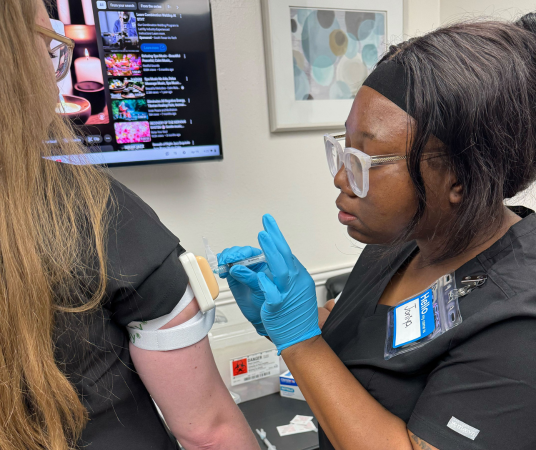
However, while self-study can help you pass the exam, it can’t provide hands-on clinical practice, patient interaction, or supervised labs—skills employers increasingly expect. Still, as far as eligibility goes, self-study is another reason certification is possible without sitting in a classroom.
Should You Get Certified Without Attending School? What to Consider
Should You Get Certified Without Attending School? What to Consider Even though it’s possible, choosing to skip a formal medical assistant program has trade-offs. Some employers prefer or exclusively hire candidates who completed a structured training program. Without hands-on labs or clinical practice, you may enter the workforce feeling less confident in your skills. And depending on where you live, the certification options available through the experience-based path may be more limited.
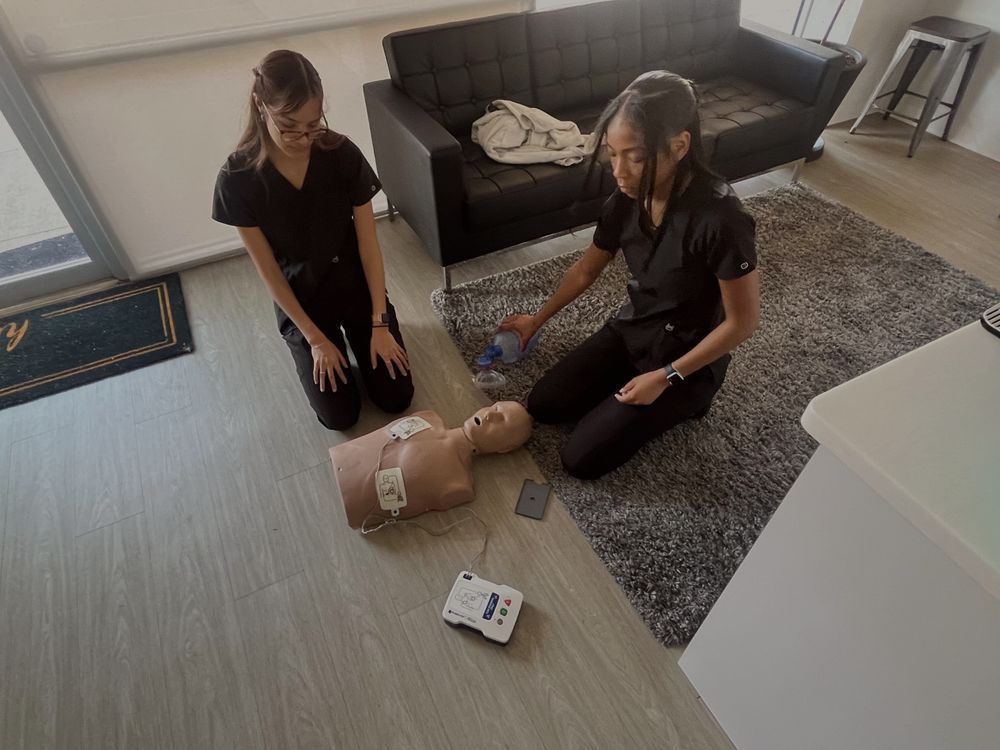
For many people, the fastest and most reliable path to certification—and employment—is a focused, accelerated medical assistant program that blends flexible online coursework with hands-on, instructor-led labs.
Ready to Start Your Medical Assisting Career?
Ready to Start Your Medical Assisting Career? It is absolutely possible to get certified as a medical assistant without attending school, and thousands of professionals have achieved this through experience-based pathways, employer-led training, and self-study. But while these routes exist, they often take longer, provide less structure, and may limit the certifications available to you.
If you want a faster, more supported path into the field—one that ensures you build real clinical confidence and qualify for a wide range of certifications—a structured training program is often the better choice.
If you want the most direct route to certification and a healthcare career you can feel confident about, Pulse Medical Assistant School offers an online-first, 16-week medical assistant program with intensive, in-person labs that give aspiring medical assistants the hands-on experience they need to help real patients receive real care.
You're only a few months from the medical assistant career you deserve.