Can You Take the Medical Assistant Certification Exam Without Going to School_
Can You Take the Medical Assistant Certification Exam Without Going to School?
Becoming a medical assistant is one of the fastest ways to start a career in healthcare. With nationwide shortages in clinical support roles, medical assistants have never been in higher demand. Many people who want to enter the field often ask the same question: Do I actually need to go to school to become certified? The answer is a little more flexible than most expect—yes, you can sit for certain medical assistant certification exams without attending a traditional college program, but it’s not as simple as just signing up. You’ll still need clinical knowledge, hands-on skills, and some form of training to successfully pass the exam and qualify for real-world patient care.
Understanding your exam options, the requirements behind them, and what employers expect today is essential. Even though the pathway doesn’t always require a degree, that doesn’t mean you can—or should—skip training altogether. That’s exactly where accelerated programs come in. Modern, streamlined medical assistant training lets motivated learners quickly develop the competencies they need, without the time commitment or cost of a multi-year degree. If you’re wondering whether you can bypass traditional schooling while still taking your certification exam, here’s what you need to know.
You Can Take a Medical Assistant Certification Exam Without Going to School—But You Still Need Training
You Can Take a Medical Assistant Certification Exam Without Going to School—But You Still Need Training Many people assume certification exams require years of college or an associate degree in medical assisting. While that’s a common pathway, it’s not the only one. Several recognized certification bodies allow individuals to sit for an exam through alternative routes, including prior work experience, military training, or other forms of non-degree training.
However, “no degree required” is not the same as “no training required.” Every certification organization mandates that candidates demonstrate mastery of clinical and administrative medical assisting skills. This includes competencies like:
Taking vital signs
Conducting patient intake
Supporting physicians during exams
Preparing and administering medications
Preparing and administering medications
Performing EKGs and basic lab procedures
Managing medical records
Using electronic health systems
Understanding HIPAA and patient privacy laws
Understanding HIPAA and patient privacy laws These are real clinical responsibilities that require hands-on practice, not simply memorization. Certification exams are designed to ensure patient safety—so even if you skip traditional college, you’ll still need to be thoroughly trained before you’re eligible (or realistically prepared) to take an exam.
That’s why accelerated programs like Pulse are becoming the preferred route for learners who want to enter the healthcare field quickly but still meet industry expectations. These programs deliver concentrated, streamlined training that prepares students for the job and for certification exams without the long timeline of college-based education.
Why Training Still Matters—even if the Exam Doesn’t Require School
Why Training Still Matters—even if the Exam Doesn’t Require School Even if a certification body allows you to test without formal schooling, that doesn’t mean you should attempt it unprepared. Medical assisting is a hands-on profession, and certification exams reflect that reality. Here’s why training remains essential:
Certification Exams Require Real Clinical Knowledge
You’ll be tested on:
Anatomy and physiology
Infection control
Pharmacology basics
Diagnostic testing
Medical law and ethics
Clinical procedures
Patient communication
Administrative tasks
Without structured training, these topics can feel overwhelming or confusing. Accelerated programs break them down into clear, digestible lessons that mirror real exam content.
Employers Expect Skill-Ready Medical Assistants
Even if you can technically take a certification exam without school, employers rarely hire people who haven’t been trained. They expect candidates who:
Know how to work with patients
Understand clinical workflows
Are comfortable with equipment
Can perform procedures safely
Demonstrate professionalism in a medical environment
Certification proves knowledge, but hands-on training proves readiness.
Certain Certifications Do Require a Training Program
While some exams allow alternative pathways, many —including the National Healthcareer Association (NHA) and American Association of Medical Assistants (AAMA)—strongly encourage or require training in order to sit for the exam.
Even when not required, training boosts your exam performance and increases your chances of passing on your first attempt.
Why Accelerated Medical Assistant Programs Are the Smartest Path
Why Accelerated Medical Assistant Programs Are the Smartest Path If you want to sit for a medical assistant exam without going to a traditional college program, an accelerated training option offers the ideal middle ground. Here’s why.
You Learn Everything You Need in a Shorter Timeline
Traditional college programs often take 12–24 months. Accelerated medical assisting programs can take as little as 16 weeks. That’s because they focus solely on the skills employers and certification bodies require—no general education classes, no unnecessary coursework.
This means you start learning hands-on skills on Day 1 and stay focused on what matters most.
Programs Like Pulse Are Built Around Real Exam Content
Accelerated programs align their curriculum with the leading certification exams. This means you’ll be taught:
The exact procedures you’ll be tested on
The exact procedures you’ll be tested on
The exam categories and domains
The exam categories and domains
How to answer clinical scenario questions
How to answer clinical scenario questions
What exam proctors expect from your performance
What exam proctors expect from your performance You’re not just learning medical assisting—you’re preparing for certification intentionally and strategically.
Hands-On Labs Prepare You for Real Patient Care
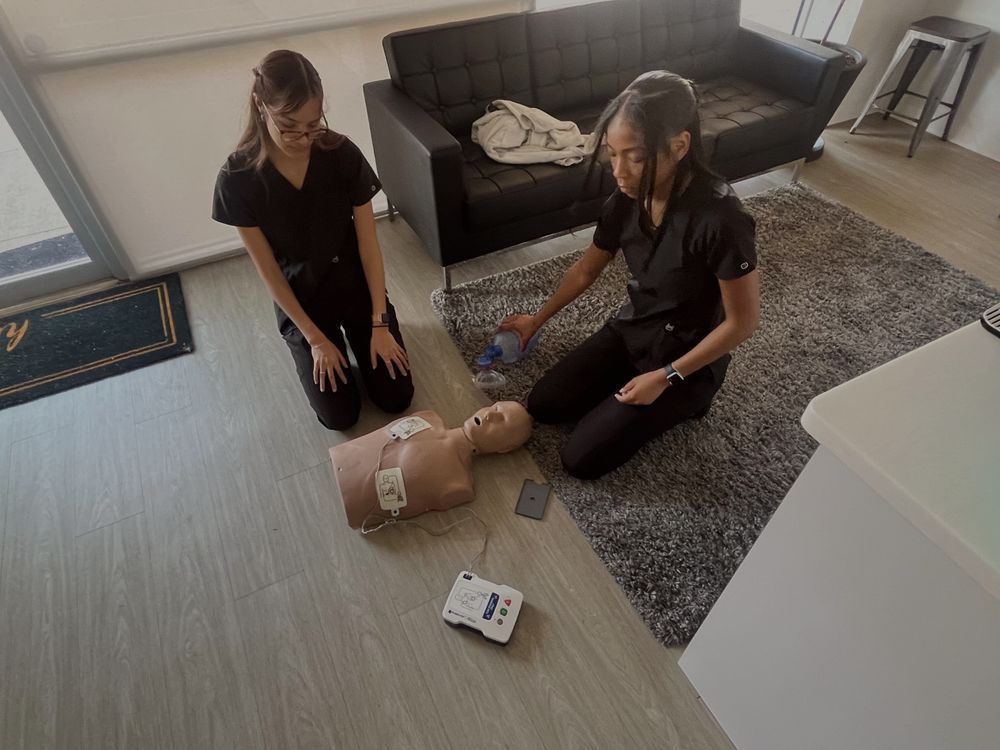
Accelerated training is especially powerful when paired with in-person lab experiences. Programs like Pulse use intensive lab sessions to ensure learners can:
Perform injections
Conduct EKGs
Draw blood
Prepare exam rooms
Use clinical instruments
Communicate confidently with patients
This type of hands-on training gives you the clinical muscle memory you simply can’t get from self-study. And because many certification exams include scenario-based questions, lab training is directly tied to exam success.
Employers Prefer Candidates from Accelerated, Skills-Focused Programs
When clinics, urgent care centers, and specialty practices hire medical assistants, they want candidates who can safely support patient care from Day 1. Employers see graduates from reputable accelerated programs as:
Competent
Thoroughly trained
Comfortable with procedures
Professionally prepared
Ready to enter the workforce immediately
Ready to enter the workforce immediately Because accelerated programs simulate real-world clinical workflows, graduates transition to the job quickly and confidently.
You Avoid the Cost and Time of a Traditional College Degree
Skipping a degree doesn’t have to mean skipping training. Accelerated programs offer all the essential skills—and exam readiness—without the multi-year commitment or significant financial burden.
You get:
Faster time to completion
Lower tuition costs
A quicker path into the workforce
A quicker path into the workforce
Immediate ROI once you begin working
This is why accelerated pathways are becoming the most popular option for career-changers, parents, adult learners, and anyone who can’t pause their life for a long academic program.
Why You Shouldn’t Attempt the Exam Without Training
Why You Shouldn’t Attempt the Exam Without Training While some learners contemplate “testing out” of training, this is almost never a successful or safe strategy. Here’s why:
The material is clinically complex.
The material is clinically complex.
Even if you’re passionate about healthcare, learning clinical procedures requires guidance and practice.
Even if you’re passionate about healthcare, learning clinical procedures requires guidance and practice. You need hands-on skills to pass.
Certifications expect you to understand how procedures work in real settings, not just what they are.
Exam preparation requires structured learning.
Exam preparation requires structured learning. Accelerated programs provide textbooks, simulations, labs, and instructor support—things self-study can’t fully replicate.
Employers value training.
Even if you pass the exam, employers want proof that your skills were supervised and evaluated.
Choosing training isn’t just about passing the exam—it’s about becoming a safe, confident medical assistant.
You Can Skip Traditional School… But You Can’t Skip Training
You Can Skip Traditional School… But You Can’t Skip Training You can take certain medical assistant certification exams without going to college, but every exam requires proof of competency—and training is the most reliable, efficient way to get there. Accelerated programs offer the perfect pathway: fast, focused, skills-centered instruction that prepares you for real patient care and ensures you meet certification requirements.
If you want to enter the healthcare field quickly without the cost or time of a degree, accelerated training gives you the best of both worlds: speed and quality, convenience and structure, flexibility and real clinical readiness.
If you’re ready to pursue certification without going to a traditional college program, Pulse Medical Assistant School is the ideal starting point. Pulse is an online-first, 16-week medical assistant program featuring intensive, in-person labs that give aspiring medical assistants the confidence and hands-on experience needed to help real patients receive real care.
Get the training, preparation, and support you need to step into a high-demand healthcare career—fast. Pulse makes it possible.
You're only a few months from the medical assistant career you deserve.