Can You Work Part-Time as a Medical Assistant_
Can You Work Part-Time as a Medical Assistant?
For many people, a career in healthcare feels meaningful, exciting, and rewarding—but not everyone can commit to a full-time schedule. Whether you’re a parent, a student, a caregiver, or simply someone looking for more control over your work–life balance, you may be wondering: Can you work part-time as a medical assistant?
The answer is yes. Part-time medical assisting roles not only exist but are becoming increasingly common as clinics and healthcare organizations adapt to patient demand, flexible staffing needs, and the growing popularity of nontraditional shift structures. Medical assistants today have more options than ever for designing careers that fit their lifestyles, goals, and personal responsibilities.
In this article, you’ll learn how part-time MA roles work, where to find them, why employers hire part-time staff, and how working fewer hours can still provide competitive pay, skill-building opportunities, and long-term career growth. If you’re considering medical assisting but want flexibility, this guide will help you understand what’s possible.
Why Part-Time MA Work Is Becoming More Common
Why Part-Time MA Work Is Becoming More Common Healthcare has changed dramatically in the past decade. Patient expectations are different, practice hours are expanding, and many clinics—especially primary care, urgent care, and specialty practices—are focusing on accessibility. These shifts have opened the door to more flexible staffing models.
Part-time MAs support clinics during peak hours, lighten the load on full-time teams, and help fill staffing gaps that may not justify a 40-hour position. This creates mutual benefits: employers maintain coverage, and workers gain more control over their time.
The increase in outpatient care is another factor. As more procedures move outside of hospitals and into clinics, the need for trained MAs grows—and outpatient settings tend to be more scheduling-flexible than hospitals.
Working part-time is now a realistic option for new MAs, experienced MAs, and even those transitioning into healthcare from another industry.
Working part-time is now a realistic option for new MAs, experienced MAs, and even those transitioning into healthcare from another industry.
What Part-Time MA Schedules Look Like
What Part-Time MA Schedules Look Like Part-time medical assistants can work a wide variety of schedules depending on the facility, patient volume, and specialty. In many cases, part-time roles are structured to align with predictable traffic patterns.
Here are some common part-time schedule types:
Morning or Afternoon Shifts
Many clinics experience heavy patient flow during specific parts of the day. MAs may work:
8 AM–12 PM
1 PM–5 PM
A few mornings or afternoons each week
These shifts are ideal for parents, students, or anyone who prefers consistent hours without working full days.
Weekend or Every-Other-Weekend Work
Urgent care centers and extended-hour clinics frequently hire part-time MAs to cover:
Saturdays only
Saturdays and Sundays
Every other weekend
Weekend shifts often offer competitive pay and fewer weekday obligations.
Three Short Days or Two Longer Shifts
Some MAs prefer stacking their hours into a couple of days while keeping the rest of the week open. For example:
Two 10-hour shifts
Three 5-hour shifts
This structure works well for people with side businesses, additional jobs, or school.
PRN (“As Needed”) Roles
PRN positions are extremely flexible. MAs work when they choose based on employer needs. This option is great for individuals who want part-time hours but prefer not to commit to a fixed weekly schedule.
Seasonal or Temporary Part-Time Work
Busy flu seasons, school physical seasons, and staffing shortages often increase demand for temporary part-time roles. These positions can sometimes transition into permanent opportunities.
Part-time work as an MA isn’t one-size-fits-all—which means you can often find a schedule that works for your lifestyle.
Where Part-Time MA Jobs Are Most Common
While part-time positions exist across healthcare, some settings are especially well suited for flexible staffing.
Primary Care Practices
Family medicine and internal medicine offices frequently hire part-time MAs to support peak scheduling times or physician-specific shifts.
Pediatrics
Pediatric clinics experience busy after-school and seasonal rushes, which often require extra part-time assistance.
Urgent Care Centers
These centers rely heavily on part-time and PRN staff because patient volume fluctuates throughout the week. They also offer extended hours, which creates more scheduling flexibility.
Specialty Clinics
Areas such as dermatology, orthopedics, cardiology, OB/GYN, and endocrinology may hire part-time MAs to accommodate specialist clinics that operate on select days.
Outpatient Surgery and Procedure Centers
Some days are heavier than others, making part-time staffing ideal.
School-Based or Community Clinics
Healthcare organizations that serve schools, universities, and community groups often run on part-time schedules themselves.
Telehealth Support Roles
As telemedicine expands, some MAs work part-time doing virtual patient intake, scheduling, or remote monitoring support.
Across these workplaces, part-time medical assistants play an essential role in delivering smooth patient care.
Benefits of Working Part-Time as a Medical Assistant
Benefits of Working Part-Time as a Medical Assistant Choosing a part-time MA role can offer advantages beyond just fewer hours. For many people, it’s the perfect blend of meaningful work and manageable commitment.
Better Work–Life Balance
Perhaps the greatest benefit of part-time work is flexibility. You can build a schedule that gives you time for:
Family responsibilities
School
Another job
Hobbies or passion projects
Personal health and well-being
This balance helps prevent burnout and allows MAs to enjoy a long, healthy career.
Opportunities to Gain Experience Without Overcommitting
New medical assistants may use part-time roles to ease into the field while learning at a comfortable pace. It’s a great way to:
Build confidence
Master clinical and administrative skills
Get familiar with EHR systems
Learn how different departments operate
For career changers, part-time work provides a way to enter healthcare without leaving their current full-time job immediately.
Versatility and Career Growth
Even part-time work offers a strong foundation for career advancement. MAs can still:
Even part-time work offers a strong foundation for career advancement. MAs can still: Earn certifications
Learn new specialties
Move into full-time roles later
Transition into leadership roles
Explore paths like nursing, phlebotomy, or healthcare administration
Some part-time workers eventually become clinic leads or supervisors after proving consistent value.
Potential for Competitive Pay
Hourly wages for medical assistants remain strong across the country, and part-time roles often pay the same or slightly higher hourly rates than full-time positions—especially in urgent care and specialty settings.
While part-time roles may not offer benefits like health insurance or paid time off, many workers find the flexibility worth it.
Less Risk of Burnout
Healthcare can be emotionally and physically demanding. Working fewer hours often helps MAs stay energized, focused, and engaged in their roles.
Challenges to Consider Before Choosing Part-Time Work
Part-time MA positions are a great option for many people, but it’s important to understand the potential limitations as well so you can make an informed decision.
Fewer Employee Benefits
Part-time roles may not include:
Health insurance
Paid time off
Retirement plans
Professional development funding
If benefits are a priority, you may want to compare employers carefully.
Less Schedule Predictability in Some Settings
Urgent care and PRN positions can change week-to-week. If you need consistent hours, look for primary care or specialty practices that offer set schedules.
Fewer Hours Could Mean Slower Skill Development
Full-time MAs interact with more patients each week, gaining experience quickly. Part-time workers still learn a great deal, but progress may feel slower depending on the setting.
Competition for Part-Time Roles
Because many people want flexible jobs, part-time MA openings may fill quickly. Enrolling in a reputable, hands-on training program can help you stand out when applying.
With the right expectations and preparation, these challenges are manageable—and often outweighed by the benefits of flexibility.
How to Find Part-Time MA Jobs
How to Find Part-Time MA Jobs If you’re ready to explore part-time MA roles, here’s how to get started.
Search for Clinics That Naturally Run on Smaller Teams
Small and mid-sized clinics often prefer hiring part-time staff to avoid overstaffing or exceeding budgets. Look at:
Independent primary care offices
Local pediatricians
Specialist clinics
Community health centers
These facilities commonly need added help during peak hours.
Use Job Boards and Filters
Sites like Indeed, LinkedIn, and ZipRecruiter allow you to filter by:
Part-time
PRN
Weekend-only
Evening shifts
Many employers also feature flexible roles in their job descriptions.
Apply for PRN Pools
Hospitals and multi-site clinics often maintain pools of PRN workers. Joining one gives you access to shifts across various departments.
Network with Healthcare Professionals
Many part-time roles are filled through referrals. Attend local healthcare job fairs, connect with providers, and stay in touch with classmates and instructors.
Stay Open to Hybrid or Specialized Roles
Some jobs combine in-person clinical work with remote administrative tasks, making it easier to balance responsibilities.
Is Part-Time CAre Work a Good Fit for You?
Working part-time as a medical assistant is ideal for people who want a meaningful healthcare career without giving up personal flexibility. You may be a great fit if you:
Working part-time as a medical assistant is ideal for people who want a meaningful healthcare career without giving up personal flexibility. You may be a great fit if you:
Prefer a schedule that accommodates school or caregiving
Want to ease into the field before committing to full-time work
Thrive in focused, high-impact shifts
Value freedom and balance
Are looking for supplemental income
Part-time MAs are essential in today’s healthcare system. Their contributions allow clinics to operate efficiently, support more patients, and maintain consistent care—even during busy seasons.
How to Start Your Career—Even If You Want to Work Part-Time
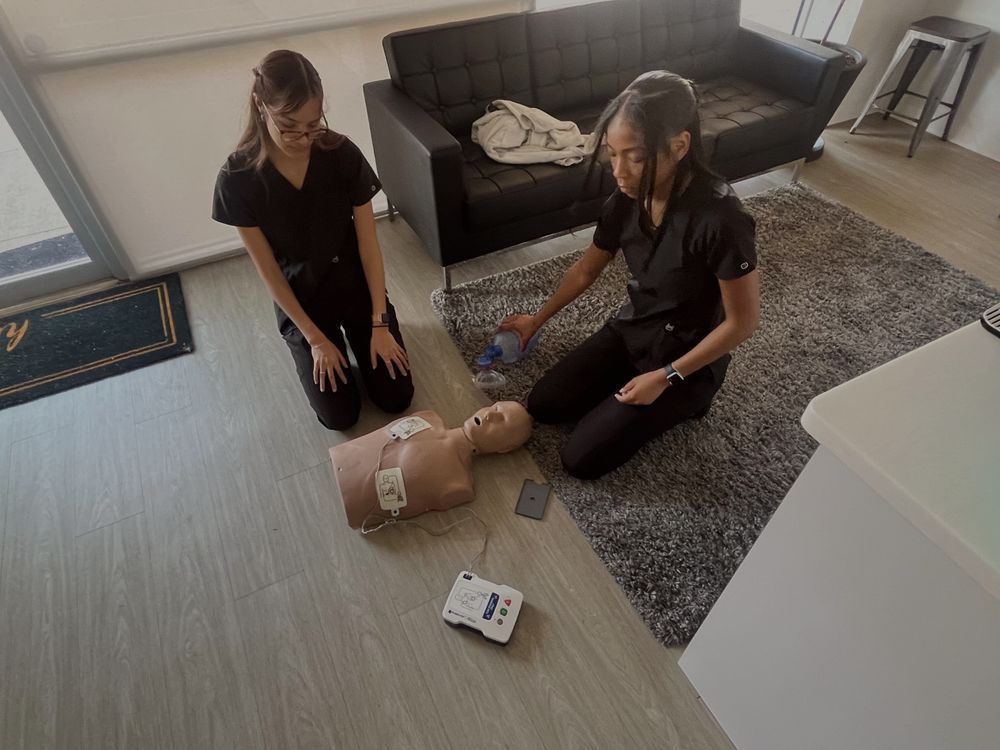
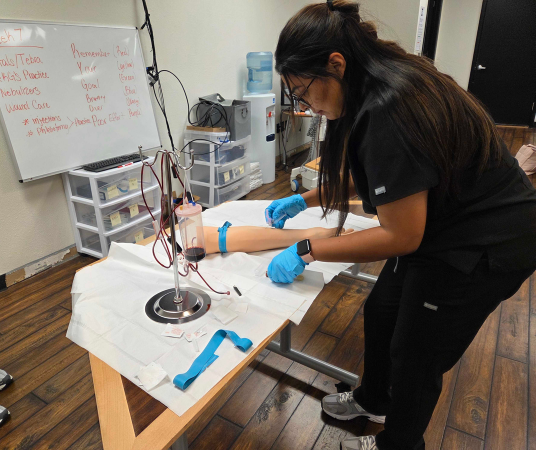
How to Start Your Career—Even If You Want to Work Part-Time Whether you want a full-time job or plan to work flexible hours, the first step is high-quality, skills-focused training. A strong MA program helps you gain the hands-on abilities employers look for, including:
Vital signs
Injections
EKGs
Patient intake
Phlebotomy
Administrative procedures
Electronic health records
Once you complete training and begin gaining experience, part-time opportunities will open up across many healthcare settings.
Start Your Medical Assistant Career with Confidence
Start Your Medical Assistant Career with Confidence Part-time medical assistant roles offer the perfect combination of flexibility, professional development, and meaningful patient care. As the healthcare system continues to grow and evolve, the demand for skilled MAs—full-time and part-time—will only increase.
If you’re looking for a career that fits your life while still making a genuine impact, part-time medical assisting can be an excellent path.
If you’re looking for a career that fits your life while still making a genuine impact, part-time medical assisting can be an excellent path. If you’re ready to begin your training—whether you plan to work full-time or part-time—Pulse Medical Assistant School can help you get there. Pulse is an online-first, 16-week medical assistant program with intensive, in-person labs that give aspiring MAs the confidence to help real patients receive real care.
With flexible learning, hands-on practice, and career-focused training, Pulse prepares you to succeed in any healthcare setting—even on a part-time schedule.
You're only a few months from the medical assistant career you deserve.