Can You Work While Training to Be a Medical Assistant_
Can You Work While Training to Be a Medical Assistant?
Starting a medical assistant (MA) training program is an exciting first step toward a career in healthcare—but for many aspiring students, one big question comes up early: Can you realistically work while training to become a medical assistant? With busy schedules, financial responsibilities, and family commitments, the idea of juggling work and school can feel overwhelming. The good news? Many MA students successfully balance both, especially when they choose programs designed with working adults in mind.
Medical assistant training has become more flexible than ever, thanks to online learning options, accelerated programs, and hybrid formats that allow students to take classes remotely while completing hands-on clinical labs in person. While balancing work and training will require time management, discipline, and support, it’s absolutely achievable for many learners. This guide breaks down everything you need to know—from how demanding MA training really is to smart strategies for working while studying—and how to choose a program that supports your goals.
How Demanding Is Medical Assistant Training?
How Demanding Is Medical Assistant Training? Before deciding whether you can work while training, it’s helpful to understand what the typical workload looks like. Most medical assistant programs include:
Online or in-person lectures
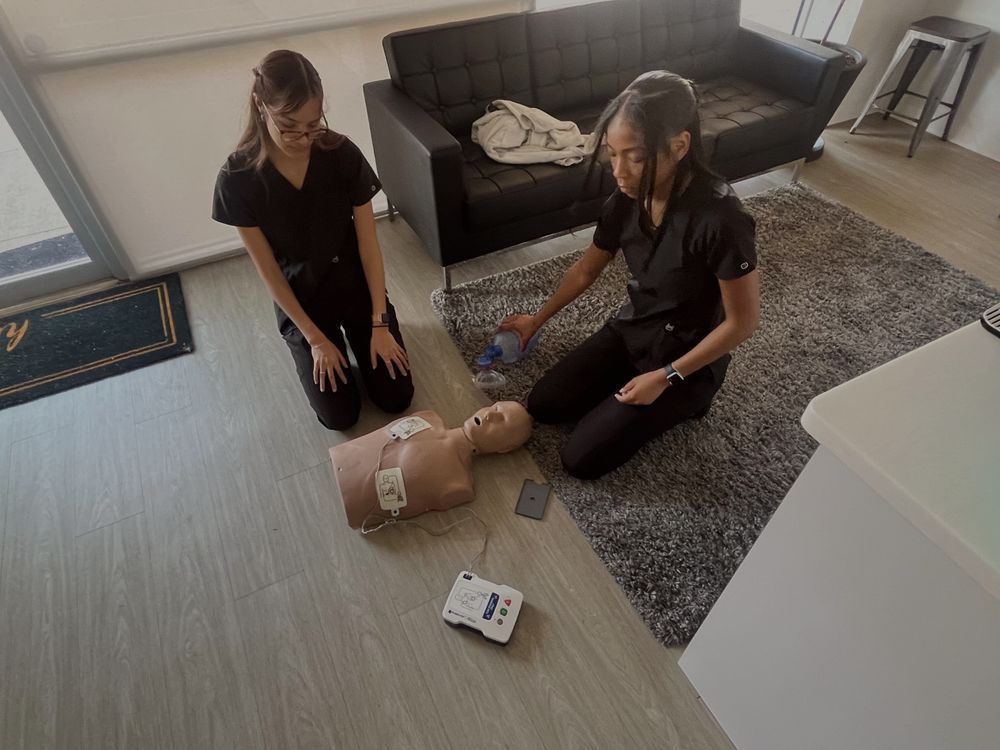
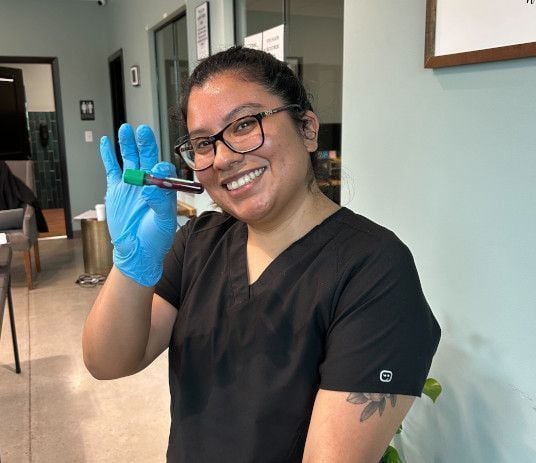
Practical skills training (vitals, patient prep, phlebotomy, injections, and more)
Clinical labs
Exams, assignments, and practice exercises
Externship or clinical placement (in many programs)
The workload can vary widely depending on the format you choose:
Traditional In-Person Programs
These follow a more rigid schedule, often during the day. Students attend lectures and labs on campus, which makes working full-time difficult unless you have a flexible employer or evening schedule.
Online-First or Hybrid Programs
This is the most common choice for working adults. Programs with online coursework allow you to complete lectures, quizzes, and assignments on your own time. Labs and hands-on training are scheduled periodically and can often be completed on evenings or weekends.
Accelerated Programs
Accelerated medical assistant programs condense training into a shorter timeline, often 12–20 weeks. These programs are more intensive but also shorter, allowing you to finish faster and start earning sooner. Some students find accelerated schedules easier to manage because they require fewer total months of balancing work and school.
Yes, You Can Work While Training—but It Depends on the Program You Choose
Whether you can work full-time, part-time, or not at all during MA training depends on three main factors:
Program Flexibility
Online-first or hybrid programs offer far more flexibility for working students. You can watch lectures when it fits your schedule, complete assignments at your pace, and only attend in-person labs when required.
Your Work Schedule
Working full-time is possible, but it’s easier with flexible or predictable hours. Many students work part-time to reduce stress while staying financially stable.
Your Personal Commitments
Family responsibilities, childcare, and transportation all influence your capacity to juggle both.
With smart planning, many MA students manage both work and training successfully.
Why Working During MA Training Makes Sense
Why Working During MA Training Makes Sense Working while completing your training isn’t just about financial stability—it can also support your long-term career goals.
You Maintain Steady Income
You don’t need to pause your financial life while preparing for a new career. Many students continue paying rent, supporting family members, or managing other responsibilities while enrolled.
You Build Transferable Skills
Even non-medical jobs can build valuable skills for the MA role, including:
Customer service
Communication
Time management
Team collaboration
Problem-solving
Employers appreciate candidates who demonstrate reliability and professionalism in any work setting.
You Avoid Taking on Additional Debt
Working during your program can help cover tuition, fees, and personal expenses—potentially reducing the need for loans or credit.
You Start Building a Schedule That Mirrors Real MA Life
MA careers often involve multitasking, scheduling, and fast-paced environments. Balancing work and training can help you build stamina and discipline similar to what you’ll need on the job.
How Many Hours Do Most MA Students Work?
How Many Hours Do Most MA Students Work?
There’s no one-size-fits-all answer, but common patterns include:
Students in online-first programs: 20–40 hours per week
Students in hybrid programs with regular labs: 10–30 hours per week
Students in hands-on, in-person daytime programs: 0–20 hours per week
Students working full-time tend to prefer online-first or hybrid programs that let them complete coursework during evenings, early mornings, or weekends.
Challenges of Working While in MA Training (and How to Overcome Them)
Balancing work and school isn’t easy—but it is manageable when you know what to expect. Here are common challenges and simple solutions.
Time Management
Challenge: Assignments, labs, quizzes, and work shifts can quickly pile up.
Solution:
Use a digital planner or calendar
Break weekly tasks into daily goals
Set aside consistent study blocks
Notify family or roommates of your training schedule
Fatigue and Burnout
Challenge: Working and studying simultaneously can drain your energy.
Solution:
Build in rest days
Avoid scheduling work immediately before or after labs
Prioritize sleep
Practice stress-relief activities (exercise, mindfulness, or short breaks)
Unpredictable Work Schedules
Challenge: Some jobs have schedules that change weekly. Solution:
Request regular shifts if possible
Choose a program with fully online coursework
Plan ahead for lab days as they are usually scheduled in advance
Family or Childcare Responsibilities
Challenge: Balancing school, work, and family can feel overwhelming.
Solution:
Lean on support systems (partners, family, friends)
Schedule coursework during nap times, early mornings, or evenings
Look for programs with minimal commuting requirements
Tips for Successfully Working While Training to Be a Medical Assistant
If you want to manage both without burning out, these practical strategies make a big difference.
Pick the Right Program Format
Choose a training program that supports your lifestyle. Online-first programs, compressed timelines, and flexible lab scheduling all help you keep your job.
Set a Realistic Weekly Schedule
Map out:
Work hours
Study time
Lab sessions
Personal responsibilities
This ensures your schedule is predictable and manageable.
Be Honest With Your Employer
Many employers are supportive when you explain that you’re training for a new career. They may offer:
Fixed schedules
Slightly reduced hours
Occasional shift swaps
PTO for lab days or exams
Use Your Commute and Breaks Wisely
Listen to lectures, review flashcards, or complete readings during:
Lunch breaks
Commutes
Downtime during shifts
Small pockets of time add up quickly.
Organize Your Learning Materials
Keep your notes, digital files, and supplies neatly organized so you can study efficiently and avoid wasting time searching for materials.
Prioritize High-Impact Coursework
Focus on mastering the skills that matter most:
Focus on mastering the skills that matter most: Taking vitals
EKG basics
Patient preparation
Phlebotomy
Anatomy and medical terminology
These are core competencies you’ll use daily.
Build a Support Network
Talk to:
Family
Friends
Classmates
Instructors
A strong support system makes balancing work and training far easier.
A strong support system makes balancing work and training far easier.
Realistic Expectations: What Your Schedule Might Look Like
Here are sample weekly schedules depending on your work commitments.
If You Work Full-Time (About 40 Hours a Week)
Monday–Friday
Work: 8:00 AM – 4:30 PM
Coursework: 1 hour per evening
Study time: 1–2 hours on weekends
Saturday
Labs (when scheduled): 3–5 hours
Or study/review
Sunday
Rest or light review
If You Work Part-Time (20–25 Hours a Week)
Three or four work days per week
Work: 4–6 hours
Coursework: 1–2 hours per day
Two weekdays off
Coursework/labs: 3–6 hours
Additional study time
Weekends
Optional study or rest
If You Work Full-Time During an Accelerated Program
With an accelerated timeline, you’ll study more intensively for a shorter period. Expect:
Monday–Friday
Work: 9–5
Coursework: 1–2 hours per night
Weekends
Labs or longer study sessions: 3–5 hours
Accelerated students often say it’s intense, but manageable since it only lasts a few months.
How to Know Whether You Should Work Full-Time, Part-Time, or Not at All
How to Know Whether You Should Work Full-Time, Part-Time, or Not at All
Everyone’s situation is different, but here are helpful guidelines:
Work Full-Time If…
You enroll in an online-first program
You can reliably study 1–2 hours per evening
You can reliably study 1–2 hours per evening
You don’t have major family responsibilities
You want to avoid taking on loans
Work Part-Time If…
Your program has frequent in-person labs
You are easily overwhelmed by busy schedules
You have children or caregiving duties
You want more balance and less burnout
Pause Work (If Possible) If…
Your program is fully in-person
You struggle with time management
You have a long commute
Your job offers limited schedule flexibility
There’s no “right” answer—just the right answer for you.
How to Choose a Medical Assistant Program That Supports Working Students
How to Choose a Medical Assistant Program That Supports Working Students Not all MA programs are built for students who need to work. When comparing options, look for these must-have features:
Online-First Coursework
This lets you study anytime, anywhere—even outside of traditional business hours.
Short, Intensive Labs
Hands-on labs are essential, but programs designed for working students keep them focused, efficient, and scheduled in predictable blocks.
Accelerated Format With Clear Expectations
A 12–16 week program helps you start your new career quickly and reduces the time you have to juggle both work and school.
Transparent Weekly Time Commitments
Great programs tell you upfront how many hours you’ll spend on:
Lectures
Assignments
Labs
Exams
This makes schedule planning much easier.
Supportive Instructors and Student Services
Look for tutoring, exam prep, and fast communication from staff—all critical when balancing work and school.
The Bottom Line: Yes, You Can Work While Training to Become a Medical Assistant
The Bottom Line: Yes, You Can Work While Training to Become a Medical Assistant Balancing your job with MA training isn’t just possible—it’s something thousands of students do every year. With the right program, the right schedule, and the right support, you can earn your medical assistant certification without putting your life on hold.
If you choose a flexible, online-first program with short, focused labs, you’ll have the freedom to:
Maintain financial stability
Learn at your own pace
Get hands-on clinical experience
Graduate faster
Start your healthcare career with confidence
Start your healthcare career with confidence
Take the First Step With Pulse Medical Assistant School
Take the First Step With Pulse Medical Assistant School If you want a program built specifically for working adults, Pulse Medical Assistant School is an excellent choice. Pulse offers an online-first, 16-week medical assistant program with intensive, in-person labs that give aspiring medical assistants the hands-on experience they need to feel confident working with real patients in real clinical settings.
You get the flexibility of online coursework, the practical skills of in-person training, and the support you need to balance work, school, and life. If you’re ready to train for a rewarding healthcare career without putting your life on pause, Pulse can help you get there.
You're only a few months from the medical assistant career you deserve.