Cardiology Medical Assistant: What the Role Involves, What It Pays, and How to Get There
Cardiology medical assistants work in one of the highest-paying, most specialized settings available to MAs — and the demand is growing as cardiovascular disease remains the leading cause of death in the United States. If you’re trained as a medical assistant and want to specialize, cardiology is one of the strongest paths available.
Here’s what the role involves, what it pays, and how to get there.
What a Cardiology Medical Assistant Does
A cardiology MA works in a cardiologist’s office, cardiac clinic, or hospital cardiology department. The daily work combines general medical assistant skills with cardiac-specific procedures:
Cardiac-Specific Duties
- EKG/ECG operation: Running 12-lead electrocardiograms, placing Holter monitors (24–48 hour continuous monitoring), and event monitors. Correct electrode placement is critical — a misplaced lead produces a misleading tracing that could affect diagnosis.
- Stress test assistance: Preparing patients for treadmill or pharmacological stress tests, monitoring vital signs during the test, and documenting results.
- Cardiac rhythm recognition: While MAs don’t interpret EKGs (that’s the cardiologist’s job), understanding normal sinus rhythm versus obvious abnormalities helps you flag urgent results.
- Echocardiogram preparation: Positioning patients and preparing the room for ultrasound-based cardiac imaging.
- Anticoagulation management: Drawing blood for INR testing in patients on warfarin, documenting results, and communicating with the provider about dose adjustments.
Standard MA Duties (in a cardiac context)
- Vital signs — with particular attention to blood pressure (hypertension is the most common cardiology complaint) and heart rate
- Phlebotomy — lipid panels, metabolic panels, BNP, troponin, and coagulation studies
- Medication reconciliation — cardiac patients often take 5–15 medications; accuracy is critical
- Patient education — explaining medication schedules, dietary restrictions, activity guidelines
- EHR documentation in cardiology-specific templates
- Prior authorizations for cardiac imaging, procedures, and specialty medications
What O*NET Says
O*NET classifies EKG operation and cardiac monitoring as specialized medical assistant tasks that command higher compensation. The combination of general MA skills plus cardiac-specific competencies makes cardiology MAs more valuable than generalists.
What Cardiology MAs Earn
Cardiology medical assistants typically earn $2–$5/hour more than MAs in general primary care:
| Setting | Median Annual Salary |
|---|---|
| General primary care MA | $42,000 |
| Cardiology MA | $46,000–$52,000 |
| Hospital cardiology department | $48,000–$55,000+ |
The premium reflects the specialized skills and the higher revenue that cardiology procedures generate for the practice.
How to Become a Cardiology MA
Step 1: Complete medical assistant training
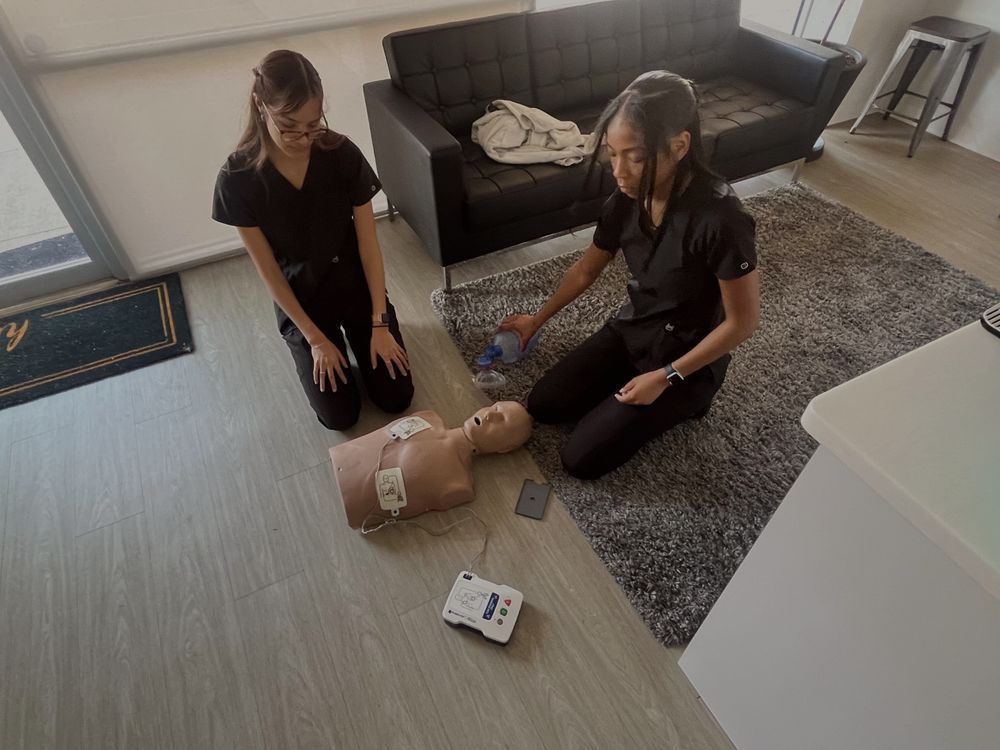
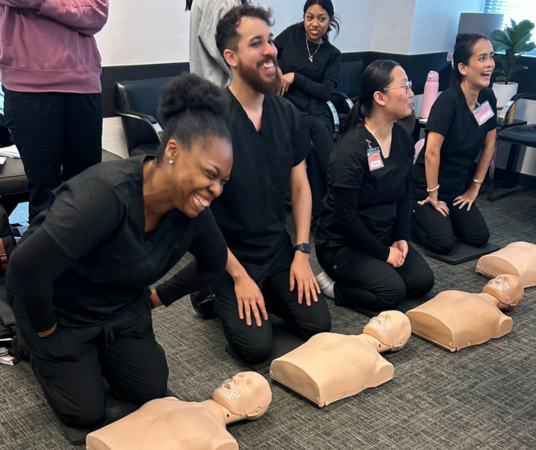
A comprehensive MA program (like the 16-week program at Pulse Medical Assistant School) covers the foundational skills every cardiology office needs: vitals, phlebotomy, injections, EKG, and administrative procedures. EKG training is especially important — it’s the skill that separates cardiology candidates from general applicants.
Step 2: Earn your CCMA certification
The Certified Clinical Medical Assistant credential verifies your clinical competency. Cardiology offices strongly prefer certified candidates.
Step 3: Gain 6–12 months of general experience
Most cardiology offices want MAs with some clinical experience before hiring into the specialty. Start in primary care or urgent care to build speed and confidence with core skills.
Step 4: Apply to cardiology practices
Highlight your EKG training, vital signs accuracy (especially blood pressure), and any cardiac-related experience from your externship or first position.
Step 5: Learn on the job
Cardiology-specific skills like Holter monitor placement, stress test assistance, and anticoagulation management are typically learned on the job in the cardiology setting. Your MA training gives you the foundation; the specialty builds on it.
Why Cardiology Is Growing
Cardiovascular disease drives massive healthcare utilization. According to the American Heart Association, nearly half of all American adults have some form of cardiovascular disease. As the population ages, cardiology patient volume continues to increase — which means cardiology practices need more trained support staff.
The BLS projects 14% growth in medical assistant employment through 2032, and cardiology is one of the specialties driving that demand.
Get Your Foundation at Pulse Medical Assistant School
Pulse’s 16-week program covers the clinical and administrative skills every cardiology office needs — with particular emphasis on EKG operation, vital signs, and phlebotomy. CCMA certification preparation is built into the curriculum.
- See the full program: Program details
- Review tuition and payment plans: Tuition
- Talk to our team: Contact
- Apply: How to apply
You're only a few months from the medical assistant career you deserve.