Career Changers_ How to Transition Into Medical Assisting
Career Changers: How to Transition Into Medical Assisting
Changing careers is one of the most empowering decisions you can make—especially when you’re moving into a field as stable, meaningful, and opportunity-rich as healthcare. Medical assisting has become a top choice for career changers nationwide because it offers a clear path into clinical work, fast training options, and the chance to make a real impact on patients’ lives every day. Whether you’re coming from retail, hospitality, education, administration, or a completely different industry altogether, the skills you already have are often more transferable than you think.
Medical assisting sits at the intersection of patient care and office support, giving newcomers a balanced, accessible introduction to healthcare. Many people transition into medical assisting because it allows them to work directly with patients, gain hands-on clinical skills, and enter the workforce quickly without years of school. If you’re ready for a stable career that blends purpose, flexibility, and upward mobility, here is a detailed guide to helping you make the transition.
Start With a High-Quality Medical Assistant Training Program
The most important and effective first step when transitioning into medical assisting is enrolling in a reputable, accelerated training program. A structured program ensures you learn the core clinical and administrative skills required to work safely and confidently in a healthcare setting—something that on-the-job learning alone cannot reliably provide.
A strong medical assistant program teaches you foundational clinical skills such as taking vital signs, preparing patients for examinations, administering injections (where allowed by state law), maintaining sterile environments, and supporting providers during procedures. It also gives you hands-on practice using electronic health records (EHRs), managing patient intake, scheduling appointments, communicating professionally with patients, and following HIPAA guidelines. These are all skills employers expect, and programs like Pulse are designed specifically to help career changers master them quickly.
Even better, high-quality programs typically blend online learning with in-person labs, giving you the flexibility to continue working while you train. This hybrid approach is ideal for adults switching careers since it allows you to build new skills without pausing your income or rearranging your entire schedule. Completing a formal program also prepares you for certification exams—another factor that can set career changers apart in a competitive job market.
Leverage Your Transferable Skills
One misconception career changers often have is the belief that they are “starting from scratch.” In reality, many of the skills you’ve developed in your previous jobs give you a major advantage as a future medical assistant. Healthcare employers value soft skills just as much as clinical knowledge—and these are often the skills career changers already excel in.
For example, if you’ve worked in customer service or hospitality, you likely have strong communication abilities, experience working with diverse groups of people, and confidence in fast-paced situations. If you’ve worked in office management or administrative support, you’re already used to handling scheduling, phones, paperwork, and multitasking. Teachers, childcare professionals, and social workers are skilled at explaining things clearly, demonstrating empathy, and guiding people through stressful or unfamiliar situations—traits that are essential when calming or educating a patient.
These transferable strengths not only make you a stronger candidate but also help you adapt more quickly once you’re on the job. As you prepare to transition into medical assisting, take stock of your previous experiences and think about which skills translate well into patient care. Many employers appreciate the maturity and professionalism that career changers bring into entry-level healthcare roles, and highlighting your strengths during interviews can help you stand out.
Get Hands-On Experience Through Labs or an Externship
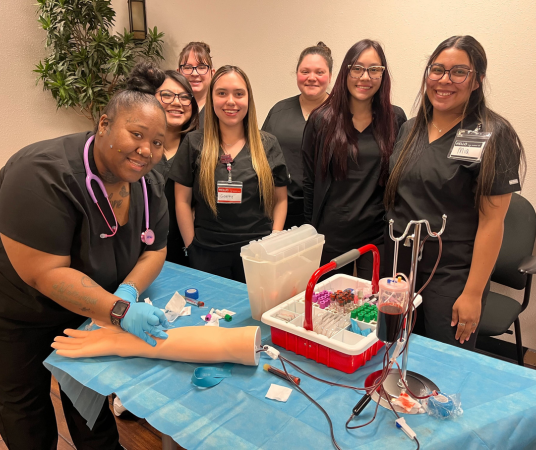
One of the biggest confidence builders for career changers is hands-on experience in real clinical settings. While online coursework is essential for learning theory, medical assisting is ultimately a hands-on job. Knowing how to properly take a patient’s vital signs, draw blood, sterilize equipment, or prepare exam rooms requires real practice guided by trained professionals. This is where in-person labs and externships become essential.
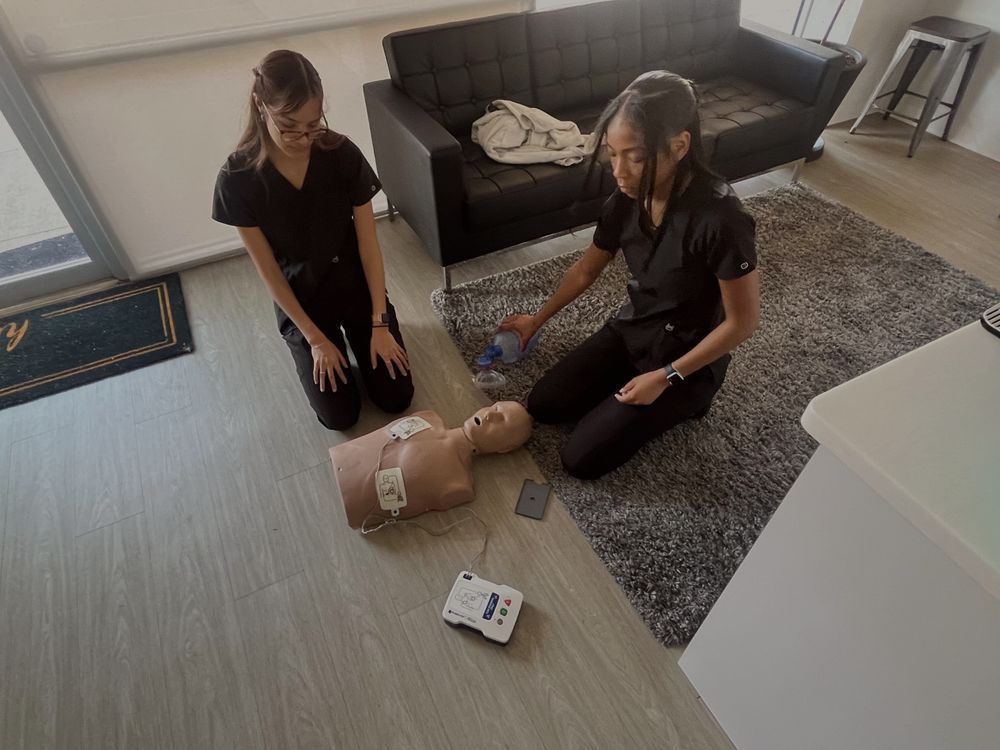
Quality programs offer supervised lab sessions where you practice essential skills repeatedly until they become second nature. You’ll learn on real medical equipment, interact with other students as mock patients, and become familiar with the kinds of tasks you’ll perform on the job. For many career changers who worry about entering a medical environment for the first time, these labs provide a safe and supportive place to build confidence.
Externships take your experience one step further by placing you directly inside a clinic, doctor’s office, urgent care, or specialty practice. Here, you apply everything you’ve learned while working alongside nurses, physicians, and other medical assistants. Externships also offer the invaluable benefit of networking and often lead directly to job offers—especially for motivated career changers who show strong work ethic and enthusiasm. This real-world exposure helps you understand the pacing, environment, and expectations of healthcare settings, making the transition from your old career to medical assisting much smoother.
Earn a Recognized Medical Assistant Certification
While certification requirements vary, earning a respected medical assistant credential can significantly strengthen your job prospects—particularly for career changers who want to demonstrate readiness and professionalism. Certification shows employers that you’ve met national standards for clinical and administrative competence and have completed the training needed to deliver safe and high-quality patient care.
Common certifications include the Certified Clinical Medical Assistant (CCMA), Registered Medical Assistant (RMA), Certified Medical Assistant (CMA), and National Certified Medical Assistant (NCMA). Each has slightly different requirements, but all involve completing a training program and passing an exam. Employers often prefer certified candidates because they know they are properly prepared, understand key safety protocols, and are committed to the profession.
For career changers, certification adds extra credibility to your resume and helps compensate for limited experience in healthcare. It also opens the door to higher-paying positions, specialized clinics, and more advanced career paths in the future. Many graduates go on to pursue roles in phlebotomy, EKG technology, billing and coding, nursing, and beyond. Certification is not just a box to check—it’s an investment in your long-term career growth.
Start Applying for Jobs and Explore Different Medical Environments
Once you’ve completed your training, built hands-on skills, and earned your certification, it’s time to begin applying for entry-level medical assistant roles. Healthcare offers a wide variety of workplaces, so career changers can often find an environment that matches their interests and personality.
Some medical assistants prefer fast-paced environments such as urgent care centers or emergency clinics, where multitasking and quick decision-making are essential. Others thrive in quieter, more predictable settings like family practices, pediatrics, dermatology, or women’s health clinics. Specialty clinics (orthopedics, cardiology, endocrinology, urology, etc.) offer opportunities to learn focused clinical skills, while large hospitals provide opportunities for advancement within complex healthcare systems.
When applying, tailor your resume to highlight both your new clinical training and your transferable strengths. Employers value dependability, empathy, professionalism, and communication skills—all qualities that many career changers already have. Be prepared to explain why you chose healthcare, what skills you bring from your previous career, and how your training program prepared you for the role. With demand for medical assistants rising steadily nationwide, many graduates begin working shortly after completing their externship or certification exam.
Ready to Begin Your Medical Assisting Career?
Ready to Begin Your Medical Assisting Career? Transitioning into medical assisting is one of the most accessible, rewarding, and achievable career changes you can make. Whether your goal is to find a stable job, begin a healthcare career path, or work one-on-one with patients in a meaningful way, medical assisting offers a clear route forward. With the right training, hands-on practice, and strong awareness of your transferable skills, you can successfully shift into a field that provides both personal fulfillment and long-term growth opportunities.
If you’re planning to transition into medical assisting, Pulse Medical Assistant School offers the perfect starting point. Pulse is an online-first, 16-week medical assistant training program with intensive, in-person labs that give career changers the hands-on experience they need to step confidently into patient-focused roles. You’ll gain real clinical skills, build practical knowledge, and enter the workforce prepared to help real patients receive real care.
You're only a few months from the medical assistant career you deserve.