Certified Medical Assistant (CMA) Explained_ Role, Certification & More
Certified Medical Assistant (CMA) Explained: Role, Certification & More
Becoming a Certified Medical Assistant (CMA) is one of the most accessible, rewarding, and fast-paced pathways into the healthcare field today. Medical assistants support physicians, nurses, and patients every day—helping clinics run smoothly while delivering compassionate care. But when you add the CMA credential, you elevate your qualifications, access more job opportunities, and demonstrate a higher level of professional readiness.
Whether you’re exploring a new career in healthcare, comparing certifications, or preparing to enter a training program, understanding what it means to be a Certified Medical Assistant can help you make confident decisions. This guide breaks down the CMA role, duties, certification process, salary expectations, and the skills you need to thrive.
What Is a Certified Medical Assistant (CMA)?
What Is a Certified Medical Assistant (CMA)? A Certified Medical Assistant (CMA) is a medical assistant who has passed a nationally recognized certification exam, most commonly the AAMA’s Certified Medical Assistant Exam. This credential confirms that a medical assistant has mastered essential clinical and administrative skills and can provide high-quality patient care in a variety of healthcare settings.
While it’s possible to work as a medical assistant without certification in many states, becoming a CMA sets you apart. Employers increasingly prefer or require certified candidates because they come prepared with stronger clinical knowledge, proven competency, and a commitment to professional standards.
CMAs are trained to bridge the gap between clinical and administrative functions. They might start the day by rooming patients and end it by overseeing scheduling, updating medical records, or assisting with minor procedures. This versatility not only keeps the role exciting but also makes CMAs indispensable to medical teams.
What Does a CMA Do? Key Duties & Responsibilities
What Does a CMA Do? Key Duties & Responsibilities Certified Medical Assistants handle a combination of clinical and administrative tasks. Their responsibilities vary by specialty and facility type, but most CMAs can expect to work in fast-paced, patient-facing environments.
Clinical Duties
CMAs often support physicians and nurses directly with patient care. Key tasks include:
Taking and recording vital signs such as blood pressure, heart rate, oxygen saturation, and temperature.
Preparing patients for exams, making them comfortable, and explaining procedures.
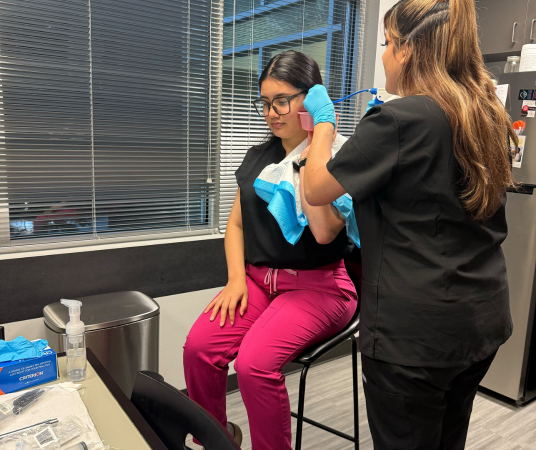
Preparing patients for exams, making them comfortable, and explaining procedures. Collecting lab samples, including blood draws, urine samples, throat swabs, or other specimens.
Performing point-of-care testing, such as glucose checks or rapid strep tests.
Administering medications as directed by a physician, depending on state regulations.
Assisting with minor procedures, such as wound care, suturing prep, or EKGs.
Maintaining sterile technique and supporting infection control practices.
These responsibilities allow CMAs to play a direct role in improving patient outcomes and ensuring providers have accurate information for diagnoses and treatment plans.
Administrative Duties
CMAs also work behind the scenes to keep healthcare facilities operating efficiently. Administrative responsibilities may include:
Scheduling appointments and managing patient flow.
Updating and maintaining electronic health records (EHRs).
Processing insurance forms and verifying patient coverage.
Coordinating referrals and communicating with specialists.
Handling billing and coding tasks using ICD-10 and CPT codes.
Answering phone calls and assisting patients with questions.
Because CMAs understand both clinical and administrative needs, many employers view them as essential to delivering a smooth patient experience.
Where Do Certified Medical Assistants Work?
One of the biggest advantages of becoming a CMA is flexibility. You can work in a wide range of environments depending on your interests.
Common Workplace Settings
Common Workplace Settings
Primary care clinics
Specialty practices (OB-GYN, orthopedics, cardiology, pediatrics, dermatology, etc.)
Hospitals and outpatient departments
Urgent care centers
Surgical centers
Community health clinics
Long-term care facilities (in some administrative capacities)
Most CMAs work in outpatient or ambulatory settings, where patients come for routine care and procedures. This provides consistent schedules, typically with limited nights or weekends, making the career appealing for work-life balance.
How Do You Become a CMA? Steps to Certification
How Do You Become a CMA? Steps to Certification Earning the CMA credential requires completing a series of steps, each designed to help you build the knowledge and confidence needed to succeed in healthcare.
Enroll in an Accredited Medical Assistant Training Program
To sit for the CMA exam, you must complete a medical assistant program accredited by either:
CAAHEP (Commission on Accreditation of Allied Health Education Programs)
ABHES (Accrediting Bureau of Health Education Schools)
These programs typically take 4–12 months and include:
Online or classroom learning
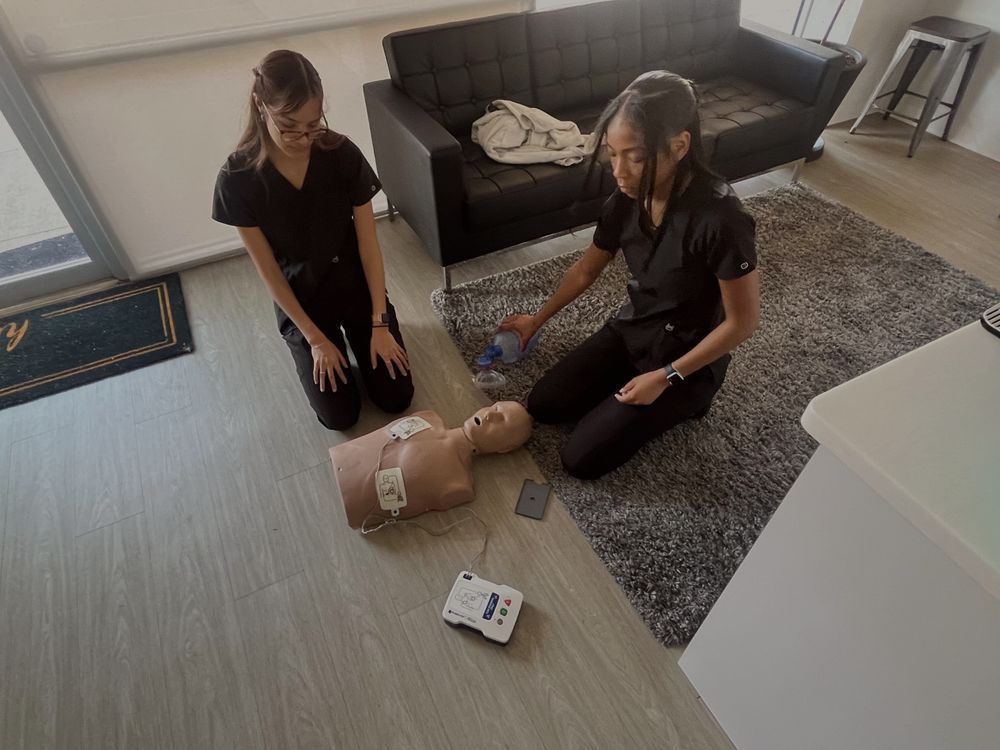
Hands-on clinical labs
Externship experience in a real healthcare facility
Training covers anatomy and physiology, clinical procedures, patient communication, pharmacology, administrative workflows, and more—giving you a foundation that mirrors the CMA exam content.
Apply for the CMA Exam
Once you’re close to completing your program, you can apply for the exam through the American Association of Medical Assistants (AAMA). Your school will verify your eligibility.
Candidates schedule the exam through Prometric testing centers or online proctoring platforms, depending on availability.
Prepare for the Exam
The CMA exam is comprehensive and covers:
The CMA exam is comprehensive and covers: Clinical competency
Administrative knowledge
General healthcare concepts
Many students study using:
Practice exams
Flashcards
Instructor-led review sessions
Study guides aligned with AAMA competencies
Because the exam is timed and includes 200 multiple-choice questions, preparation is key.
Pass the CMA Exam
To earn your credential, you must pass the exam with a scaled score of 425 or higher. Results are typically available within a few weeks.
Once you pass, you officially become a Certified Medical Assistant, and employers can verify your credential through the AAMA database.
Maintain Your Certification
CMA certification is valid for 60 months. To recertify, you can:
Retake the exam, or
Complete 60 continuing education units (CEUs) in specified categories
This ensures CMAs stay current as healthcare evolves and new technologies emerge.
How Much Do CMAs Make? Salary & Job Outlook
How Much Do CMAs Make? Salary & Job Outlook Salaries for CMAs vary based on experience, location, specialty, and employer type, but the field offers strong earning potential—especially for certified professionals.
Average Salary
According to national data, CMAs typically earn:
$36,000–$48,000 per year, with the median around $41,000
Higher pay is common in specialized clinics, hospitals, and busy metropolitan areas
Certification often increases earning potential because it signals credibility and competence to employers.
Job Outlook
The job outlook for CMAs is exceptionally strong. The U.S. Bureau of Labor Statistics estimates that medical assisting roles will grow 14% through 2032, much faster than the average for all occupations.
Growth is driven by:
Expanded healthcare needs of aging populations
Increased demand for outpatient care
Physician shortages requiring broader clinical support roles
Rising adoption of EHR systems and administrative technologies
For anyone seeking job stability and upward mobility, becoming a CMA is a strategic career move.
For anyone seeking job stability and upward mobility, becoming a CMA is a strategic career move.
Essential Skills Every Certified Medical Assistant Needs
Essential Skills Every Certified Medical Assistant Needs Being a CMA requires a blend of clinical knowledge, technical skills, and interpersonal strengths. Employers look for candidates who can balance precision with compassion.
Clinical Skills
CMAs must be confident in:
Administering injections
Performing blood draws
Conducting EKGs
Sterile technique
Wound care
Taking vital signs accurately
Understanding basic pharmacology
Understanding basic pharmacology These skills ensure CMAs can support providers effectively and safely.
Administrative Skills
Strong organizational abilities help CMAs keep clinics running smoothly. Key skills include:
Mastering EHR systems
Managing schedules and patient flow
Understanding insurance billing
Understanding insurance billing Knowing ICD-10 and CPT coding basics
Communicating clearly in person and by phone
These tasks require attention to detail and the ability to multitask in fast-paced environments.
Soft Skills
Healthcare is people-centered, so CMAs must excel in:
Empathy and compassion
Active listening
Professionalism
Teamwork
Problem-solving
Customer service
These skills build trust with patients and enhance the clinic’s overall experience.
Why Become a Certified Medical Assistant? Key Benefits
Why Become a Certified Medical Assistant? Key Benefits If you’re considering entering healthcare, the CMA pathway offers a wide range of benefits.
Fast Entry Into Healthcare
Unlike nursing or radiology programs, medical assistant training is short—often under a year. This allows you to begin earning and gaining experience quickly.
Job Security and Stability
Healthcare employers across the country are hiring CMAs at increasing rates, offering long-term career opportunities.
Diverse Career Pathways
After becoming a CMA, many professionals advance to roles such as:
LPN or RN
Medical office manager
Healthcare administrator
Phlebotomist
EKG technician
Specialty medical assistant (OB-GYN, cardiology, dermatology, etc.)
The CMA credential often opens doors to further specialization.
Competitive Pay and Advancement Opportunities
CMAs have access to competitive wages, predictable schedules, and chances to grow into leadership roles with experience.
Meaningful, Patient-Focused Work
Perhaps most importantly, CMAs play a vital role in people’s lives. They comfort anxious patients, support busy physicians, and contribute to life-changing healthcare moments every day.
Is the CMA Path Right for You?
Is the CMA Path Right for You? If you enjoy helping others, want a career with stability, and like the idea of working in a clinical setting without spending years in school, becoming a Certified Medical Assistant may be the perfect fit.
CMAs are compassionate, detail-oriented, and adaptable—traits that align with many people entering healthcare for the first time. With strong job growth and opportunities nationwide, now is an excellent time to pursue your certification.
Launch Your CMA Career With Confidence
Launch Your CMA Career With Confidence If you’re ready to take the next step toward becoming a Certified Medical Assistant, choosing the right training program is essential. You need a program that teaches real-world clinical skills, strengthens your understanding of administrative workflows, and prepares you for success on certification exams.
Pulse Medical Assistant School offers an online-first, 16-week medical assistant program designed for busy learners who want accelerated results. With intensive, in-person labs, Pulse gives aspiring medical assistants the hands-on experience and confidence they need to help real patients receive real care.
When you’re ready to begin your CMA journey, Pulse provides the training, support, and practical skills to help you thrive.
You're only a few months from the medical assistant career you deserve.