Chiropractic Assistant Career Overview_ Pay, Training & Responsibilities
Chiropractic Assistant Career Overview: Pay, Training & Responsibilities
Chiropractors rely on more than clinical expertise to run a successful practice—they also depend on support professionals who keep treatments on schedule, patients comfortable, and the office running efficiently. One of the most important roles in a chiropractic clinic is the chiropractic assistant (CA). These professionals bridge patient care and administrative management, ensuring patients have a positive experience while helping chiropractors focus on delivering effective treatments.
If you’re interested in a patient-facing healthcare career that blends communication, hands-on skills, and office responsibilities, becoming a chiropractic assistant may be a rewarding path. This role offers strong job stability, opportunities for growth, and a meaningful everyday impact on patient health and mobility. Below, you’ll find a complete overview of what chiropractic assistants do, how much they earn, what training programs typically include, and what skills help them succeed.
What Is a Chiropractic Assistant?
What Is a Chiropractic Assistant? A chiropractic assistant works alongside chiropractors to support daily clinical operations and enhance the patient experience. While they don’t perform chiropractic adjustments themselves, they handle a variety of tasks that prepare patients for treatment, assist with therapeutic modalities, and maintain smooth office operations. CAs are often the first and last point of contact for patients, making them essential to building trust and ensuring continuity of care.
Chiropractic assistants work in private chiropractic practices, multidisciplinary clinics, sports medicine centers, rehabilitation facilities, and holistic wellness centers. Because chiropractic care appeals to a wide range of patients—athletes, people managing chronic pain, expectant mothers, and older adults—the work setting is both diverse and dynamic. No two days look the same, and CAs often enjoy forming long-term relationships with returning patients.
What Does a Chiropractic Assistant Do? Key Responsibilities
What Does a Chiropractic Assistant Do? Key Responsibilities Chiropractic assistants handle a blend of administrative, clinical, and patient-support duties. Their role varies depending on the size of the practice and state regulations, but common responsibilities include:
Preparing Patients for Chiropractic Treatments
One of the CA’s central responsibilities is preparing patients for their appointments. This may include collecting medical histories, documenting symptoms, explaining treatment processes, and helping patients feel comfortable before the chiropractor arrives. By gathering accurate information and creating a welcoming environment, CAs support more effective patient care.
Assisting with Therapeutic Modalities
Many chiropractic clinics offer additional therapeutic services beyond adjustments, such as:
Electrical muscle stimulation (EMS)
Ultrasound therapy
Heat and ice applications
Stretching or mobility exercises
Intersegmental traction
Depending on state guidelines, chiropractic assistants may be trained to operate these devices or support therapists who perform these treatments. This gives CAs valuable clinical experience and allows them to develop hands-on skills that are transferable to other healthcare settings.
Managing Front Office Operations
Because chiropractic clinics are often fast-paced with high daily patient volumes, administrative excellence is essential. Chiropractic assistants handle tasks such as:
Scheduling appointments
Answering phones and responding to inquiries
Managing electronic health records
Verifying insurance
Handling billing and payment processing
Their organization helps keep wait times low and patient satisfaction high.
Coordinating Patient Flow and Follow-Up Care
Chiropractic care typically involves recurring visits, so managing follow-up appointments and ongoing treatment plans is critical. CAs help patients understand their recommended care schedule, coordinate future visits, and ensure they stay informed about the next steps. This continuity reinforces treatment effectiveness and improves clinical outcomes.
Supporting Clinical Documentation
Accurate documentation is crucial in all healthcare settings, including chiropractic practices. CAs help update patient charts, record treatment notes, track progress, and prepare reports for insurance claims. Attention to detail ensures compliance and supports a more efficient practice.
Maintaining a Clean and Safe Environment
Chiropractic assistants also play a role in maintaining hygiene and safety standards. They clean treatment rooms, sanitize equipment, restock supplies, and ensure patient areas meet regulatory guidelines. These behind-the-scenes responsibilities help keep the clinic safe, organized, and ready for patient care at all times.
Chiropractic Assistant Salary: What You Can Expect to Earn
While salaries vary based on experience, location, and clinic size, chiropractic assistants generally enjoy competitive, steady pay, especially for an entry-level healthcare role.
National Average Pay
Most chiropractic assistants in the U.S. earn between $32,000 and $42,000 per year, with an average hourly wage of around $16 to $20 per hour. Entry-level assistants often start near the lower range, while experienced CAs, billing specialists, or those with advanced certifications may earn higher.
Factors That Influence Chiropractic Assistant Pay
Several variables impact salary growth:
Experience level: CAs with several years in the field or specialized training tend to earn more.
Certification: Some states offer chiropractic assistant certifications that can increase pay.
Location: Clinics in metro areas often pay more than rural practices.
Clinic size and services: Offices offering advanced therapeutic services may provide higher wages.
Additional skillsets: Experience with billing, insurance coding, or medical office management can lead to higher pay or promotions.
Opportunities for Advancement
Many chiropractic assistants eventually pursue related healthcare roles, such as:
Medical assistant
Physical therapy aide
Massage therapist
Office manager
Billing and coding specialist
Chiropractic technician
Rehabilitation assistant
Working as a CA provides foundational experience that opens doors to long-term career growth in both clinical and administrative roles.
Working as a CA provides foundational experience that opens doors to long-term career growth in both clinical and administrative roles.
Chiropractic Assistant Training: What You Need to Get Started
Becoming a chiropractic assistant typically requires a high school diploma and on-the-job training. However, many clinics prefer candidates with formal medical assisting education because it ensures stronger clinical skills, better patient communication, and greater familiarity with healthcare procedures.
Here’s what training usually looks like.
On-the-Job Training
Some chiropractic offices hire entry-level candidates and provide in-house training on:
Clinic procedures
Medical terminology
Patient intake
Equipment use
Basic therapeutic modalities
Administrative systems
This can be a great option for individuals who want to enter healthcare quickly, but training quality varies by clinic.
Formal Medical Assistant Programs
Many chiropractic clinics prefer candidates with a medical assistant (MA) education because these programs provide:
Anatomy and physiology knowledge
Instruction in clinical procedures
Administrative and EHR training
Hands-on practice in labs
Professional communication skills
Exposure to therapeutic equipment
A medical assistant background enhances job readiness, confidence, and upward mobility. Chiropractic offices increasingly value MAs because they arrive prepared to support both patient care and office operations.
Optional Chiropractic Assistant Certifications
Some states offer certification opportunities through boards or chiropractic associations. These programs may include coursework on:
Chiropractic ethics
Office protocols
Anatomy of the spine
Electrotherapy
Safety and infection control
Certification is not always required, but it can improve employability and increase earning potential.
Skills You’ll Need to Succeed
Successful chiropractic assistants rely on a mix of clinical, administrative, and interpersonal strengths, including:
Warm, professional communication
Strong attention to detail
Comfort with basic patient care tasks
Ability to learn new equipment and procedures
Efficient multitasking
Knowledge of scheduling and billing software
Commitment to patient safety and confidentiality
This combination of skills ensures chiropractic assistants can adapt to the ever-changing flow of clinic operations.
Work Environment: What It’s Like to Be a Chiropractic Assistant
Working as a CA offers a rewarding mix of movement, connection, and routine. Here’s what you can expect day-to-day.
Working as a CA offers a rewarding mix of movement, connection, and routine. Here’s what you can expect day-to-day.
Fast-Paced, Patient-Centered Work
Chiropractic assistants interact with dozens of patients a day. The role requires stamina, organization, and excellent communication. Because chiropractic care often focuses on long-term progress, CAs see many of the same patients regularly, allowing meaningful relationships to develop.
A Blend of Hands-On and Administrative Tasks
Unlike purely clerical roles, this job involves direct patient interaction and light clinical support in addition to office tasks. For individuals who enjoy variety and active work, this balance is a major appeal.
Team-Oriented Environment
Chiropractors, therapy aides, office managers, and assistants work closely as a team. CAs are often regarded as the central hub of the clinic, supporting both patient care and internal workflow.
A Role With Purpose
Patients often seek chiropractic care for pain relief, mobility improvements, or rehabilitation. Chiropractic assistants play an essential role in helping individuals feel better, regain independence, and improve their quality of life.
Is a Chiropractic Assistant Career Right for You?
Is a Chiropractic Assistant Career Right for You?
This career might be a great fit if you:
This career might be a great fit if you:
Enjoy working with people
Want to enter healthcare quickly
Prefer a mix of administrative and clinical tasks
Are patient, friendly, and organized
Like helping others feel comfortable and supported
Want a stepping stone to more advanced healthcare roles
For many, this role is a meaningful first step into the healthcare world, providing foundational experience that can lead to higher-paying and more specialized careers later on.
For many, this role is a meaningful first step into the healthcare world, providing foundational experience that can lead to higher-paying and more specialized careers later on.
How to Start Your Career as a Chiropractic Assistant
How to Start Your Career as a Chiropractic Assistant
Here’s a simple path to get started:
Complete your high school diploma or GED.
Enroll in a medical assistant training program to gain essential clinical and administrative skills.
Apply for chiropractic assistant positions, emphasizing your patient care training.
Seek optional certifications if recommended in your state.
Gain hands-on experience and pursue specialized skills such as therapy modalities or billing.
With the right training and mindset, you’ll be equipped to succeed in a wide range of chiropractic settings.
Launch Your Healthcare Career With Confidence
Launch Your Healthcare Career With Confidence
If you’re preparing for a hands-on, patient-centered role like chiropractic assisting—or you want a foundation for long-term career growth—your training matters.
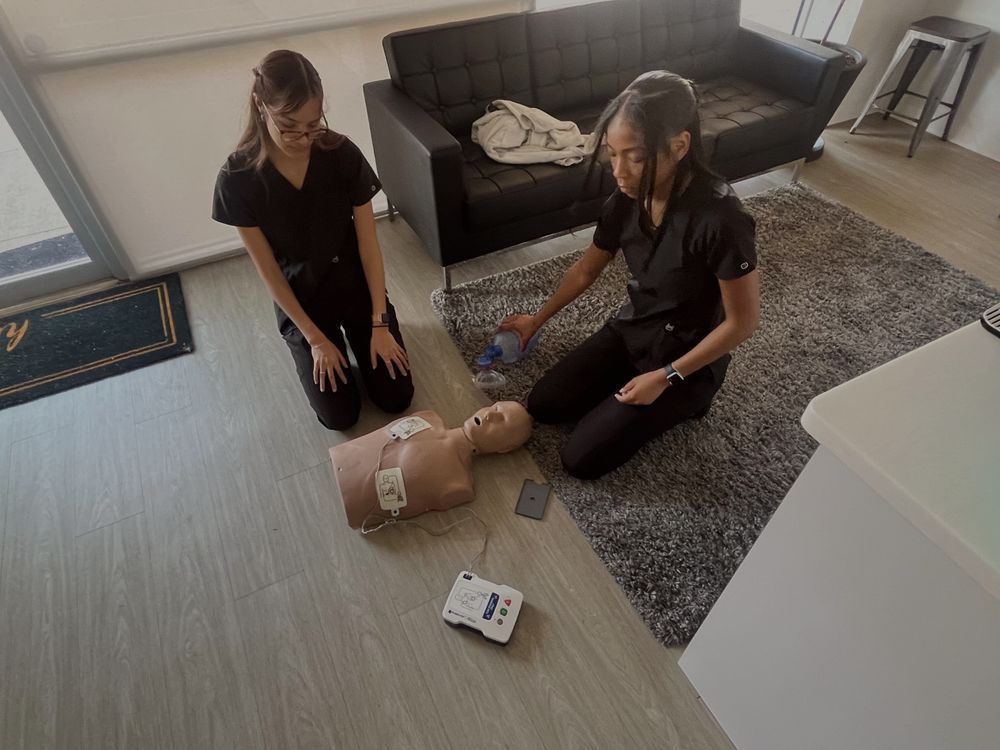
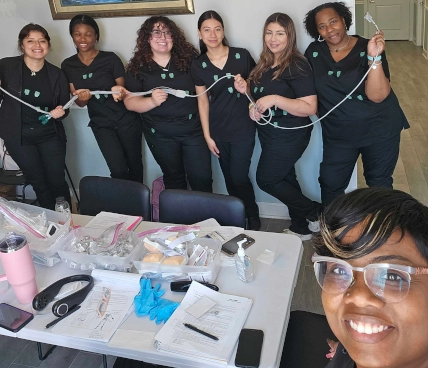
If you’re preparing for a hands-on, patient-centered role like chiropractic assisting—or you want a foundation for long-term career growth—your training matters. Pulse Medical Assistant School is an online-first, 16-week medical assistant program with intensive, in-person labs that help students build the clinical confidence they need to support real patients in real care settings. It’s an excellent first step for anyone pursuing entry-level healthcare careers, including chiropractic assisting.
You're only a few months from the medical assistant career you deserve.