CNA Programs Near Me vs Medical Assistant Training: Which Healthcare Career Is the Better Fit?

If you’re searching “CNA programs near me,” you’re clearly ready to start a healthcare career. CNAs do important work, and the training is fast. But before you commit, it’s worth comparing the CNA path to another option that’s just as accessible and often leads to broader opportunities and better pay: medical assistant training.
Here’s an honest side-by-side comparison so you can decide which career fits your goals — not just which program is closest.
What CNAs do
Certified Nursing Assistants work under the supervision of nurses, primarily in:
- Nursing homes and long-term care facilities
- Hospitals (patient transport, basic care, support roles)
- Home health settings
Daily responsibilities include:
- Helping patients with bathing, dressing, eating, and mobility
- Taking and recording vital signs
- Turning and repositioning patients to prevent bedsores
- Assisting nurses with basic procedures
- Documenting patient observations
CNA work is physically demanding, emotionally rewarding, and narrower in clinical scope compared to medical assisting.
What medical assistants do
Medical assistants work in clinics, physician offices, and outpatient centers, combining clinical and administrative duties:
Clinical tasks:
- Taking vital signs and patient histories
- Phlebotomy (blood draws) and specimen handling
- Administering injections
- Performing EKGs
- Assisting during exams and procedures
- Infection control and sterilization
Administrative tasks:
- Patient scheduling and intake
- Electronic health records documentation
- Insurance verification and billing basics
- Professional communication and coordination
Medical assistants tend to have more variety in their daily work and are cross-trained for both clinical and front-office responsibilities.
CNA vs medical assistant: the comparison
Pay
- CNAs: national median approximately $36,000–$38,000/year
- Medical assistants: national median approximately $42,000–$46,000/year, with higher potential in specialty practices and with certification
Training time
- CNA programs: typically 4–12 weeks
- Medical assistant programs: Pulse’s program is 16 weeks
Scope of work
- CNAs: focused on patient care and daily living assistance
- Medical assistants: broader scope — clinical procedures, lab work, administrative duties
Work environment
- CNAs: primarily nursing homes, hospitals, home health
- Medical assistants: clinics, physician offices, outpatient centers, specialty practices
Career growth
- CNAs: common stepping stone to LPN or RN (requires additional schooling)
- Medical assistants: can advance into lead roles, office management, specialty practices, or use the experience for further healthcare education
Why many people choose medical assisting over CNA
Both are legitimate entry points into healthcare. Medical assisting often wins on:
- Higher average pay — MAs typically earn $4,000–$10,000+ more per year than CNAs
- More diverse settings — clinics and offices vs primarily long-term care
- Broader skill set — clinical + administrative training makes you more versatile
- Certification advantage — the CCMA is a nationally recognized credential that strengthens your candidacy
- Different physical demands — while still hands-on, the daily physical requirements differ from the heavy lifting and mobility work CNAs do
How Pulse prepares you for a medical assisting career
Pulse Medical Assistant School gets you trained and certified in 16 weeks:
- Online-first learning with live, instructor-led sessions
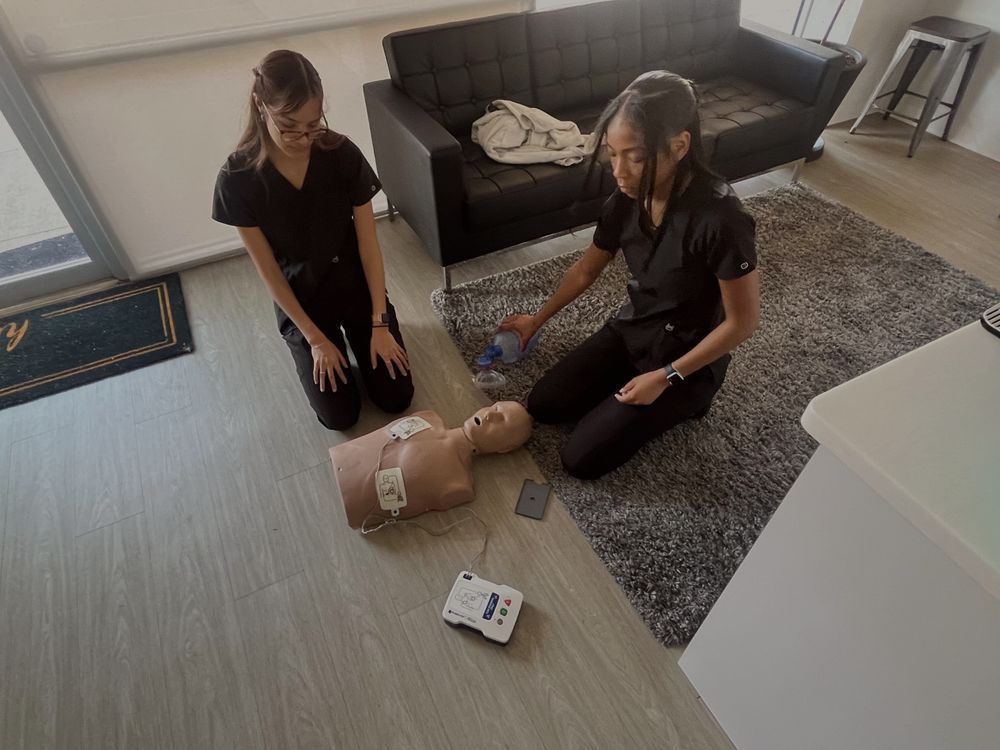
- 4 intensive in-person labs for hands-on clinical practice
- CCMA exam included — prep and fee built into your $2,990 tuition
- Weekly payment plans — graduate debt-free
- No prior experience required
Ready to explore medical assisting?
- See the full program: Program details
- Review tuition: Tuition
- Ask questions: Contact
- Apply: How to apply
You're only a few months from the medical assistant career you deserve.