Common Mistakes New Medical Assistants Make—and How to Avoid Them

Common Mistakes New Medical Assistants Make—and How to Avoid Them
Starting a career as a medical assistant is exciting, rewarding, and full of opportunity. You get to work closely with patients, support doctors and nurses, and make an impact in a fast-growing field. But like any healthcare role, the early months of the job can come with a learning curve. Even highly capable new medical assistants can experience challenges as they adjust to real-world workflows, patient interactions, and clinical expectations. Fortunately, most of these challenges are completely normal—and completely manageable with the right mindset and habits.
Understanding common mistakes early on can help new medical assistants build confidence faster and deliver excellent care from day one. Whether you’re in training, just starting your first job, or preparing to move into a new clinical environment, learning these pitfalls (and their solutions) can help you feel more prepared. Below are six of the most common mistakes new medical assistants make—and exactly how to avoid them so you can thrive in your role.
Not Asking Enough Questions
When you’re new to a healthcare environment, it’s easy to feel hesitant about asking questions. Many new medical assistants worry about bothering coworkers, interrupting workflow, or appearing inexperienced. Unfortunately, staying silent can become a much bigger issue. Not asking questions can lead to errors in documentation, uncertainty about procedures, or confusion around clinic policies. And in a clinical setting, even small misunderstandings can have real consequences for patient safety.
How to Avoid It:
How to Avoid It:
Letting Stress Affect Patient Interactions
Working in healthcare means juggling multiple tasks at once—rooming patients, taking vitals, updating charts, assisting providers, answering questions, and keeping the day on track. New medical assistants sometimes become so focused on completing tasks quickly that they unintentionally appear rushed, distracted, or stressed around patients. This can create negative experiences, misunderstandings, or discomfort for people already feeling vulnerable.
How to Avoid It:
How to Avoid It:
Incomplete or Inaccurate Documentation
Accurate documentation is one of the most important responsibilities medical assistants have. Providers rely on your notes to make informed decisions. Insurance claims depend on correct coding. Charts must reflect precise vitals, medical histories, and procedures. But when you’re new—or rushing—it’s easy to miss details, enter information in the wrong place, or use incorrect abbreviations.
How to Avoid It:
How to Avoid It:
How to Avoid It:
Are vitals accurate?
Is patient information complete?
Are notes clear, concise, and professional?
Did you follow your employer’s documentation guidelines?
When in doubt, ask a coworker to review your charting or clarify how they prefer information entered. Building precision early prevents bad habits and strengthens your reliability as part of the clinical team.
Overlooking Infection Control Protocols
Infection control is essential in every medical environment, yet new medical assistants sometimes underestimate how frequently they must follow protocols. Forgetting to sanitize hands between rooms, touching surfaces after putting on gloves, not disposing of sharps correctly, or improperly cleaning exam areas are easy mistakes when you’re still learning workflows.
How to Avoid It:
How to Avoid It:
How to Avoid It: Wash or sanitize your hands before and after every patient interaction.
Change gloves between every patient and never touch non-sterile surfaces once they’re on.
Clean exam rooms thoroughly according to protocol.
Dispose of sharps immediately using proper containers.
If your workplace offers refresher training, take advantage of it. The more consistent you are, the safer your clinic becomes—and the more confident your supervisors will be in your work.
Struggling with Time Management
Time management is one of the top challenges new medical assistants face. Clinics often operate on tight schedules, and MAs are central to keeping that schedule running smoothly. New assistants may underestimate how long tasks take, forget to plan ahead, or become overwhelmed when multiple providers need help at once. This can slow down patient flow and increase stress across the team.
How to Avoid It:
How to Avoid It:
How to Avoid It: Prioritize tasks by urgency and importance.
Stay organized with checklists or workflow tools.
Prepare rooms in advance with common supplies.
Communicate with your team about delays or support you need.
Learn to multitask efficiently, such as completing documentation between patient visits rather than saving everything for later.
With practice, you’ll learn the natural rhythm of your clinic and anticipate needs before they arise—one of the hallmarks of an exceptional medical assistant.
Forgetting to Advocate for Yourself and Your Learning
New medical assistants sometimes assume they must figure everything out alone. They may be nervous to ask for more training, admit confusion, or request feedback. As a result, they can feel stuck, overwhelmed, or unsupported. Healthcare is a team-oriented field, but it’s also a learning-driven one—and you deserve the resources to succeed.
How to Avoid It:
How to Avoid It:
How to Avoid It:
Kickstart Your Medical Assistant Career with Confidence
Kickstart Your Medical Assistant Career with Confidence Mistakes are a natural part of learning, especially in a fast-paced healthcare setting. What truly matters is how quickly you learn from them, adapt, and build stronger habits. By staying curious, communicating clearly, practicing empathy, and managing your time effectively, you’ll not only avoid common pitfalls—you’ll also become a trusted and valued member of any clinical team.
Whether you’re just beginning your training or preparing for your first day on the job, embracing these lessons will set you up for long-term success. Medical assisting is a career built on care, precision, and connection—and the more intentionally you develop your skills, the more rewarding your work will become.
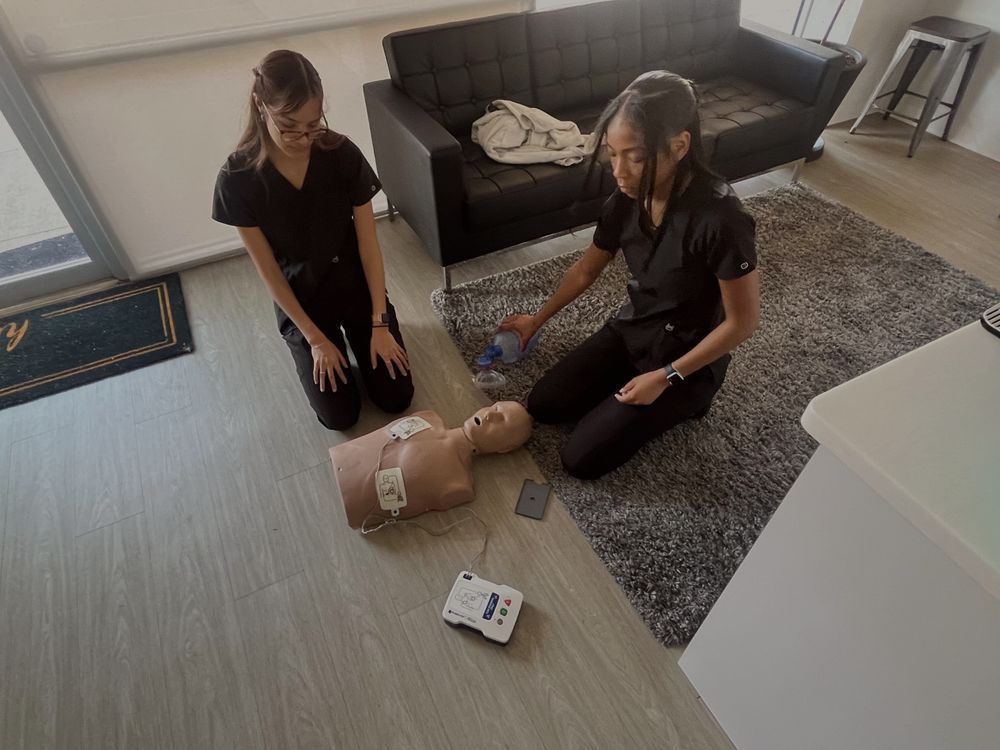
If you want to enter the field fully prepared, the right training makes all the difference. Pulse Medical Assistant School offers an online-first, 16-week medical assistant program designed to give students flexibility while providing hands-on, in-person labs that build real-world competence. You’ll gain the knowledge, skills, and confidence to support patients and providers from day one—and step into a healthcare career with strong preparation behind you.
You're only a few months from the medical assistant career you deserve.