Comparing Medical Assisting Roles_ Clinical vs. Administrative
Comparing Medical Assisting Roles: Clinical vs. Administrative
Medical assisting is a versatile and rewarding career path, offering two main directions for aspiring professionals: clinical medical assisting and administrative medical assisting. Although both roles support patient care and smooth daily operations, they differ in responsibilities, required skills, and career environments. Understanding these distinctions helps future medical assistants choose the path that aligns with their goals, strengths, and interests.
Whether you’re drawn to hands-on clinical work or prefer the organizational, patient-facing nature of administrative tasks, the healthcare field offers opportunities for both. As demand continues to rise in medical offices, clinics, specialists’ offices, and outpatient facilities, trained and certified medical assistants are finding their place in an industry hungry for skilled talent.
This guide breaks down the differences between clinical and administrative medical assisting so you can determine which path fits your long-term vision—while also exploring how high-quality training accelerates your journey into either role.
What Is a Clinical Medical Assistant?
What Is a Clinical Medical Assistant? Clinical medical assistants focus on the hands-on aspects of patient care. They work directly with patients and physicians, supporting essential medical procedures, collecting vital health information, and preparing exam rooms. These professionals play an important role in boosting efficiency, reducing physician workload, and ensuring that patients feel supported throughout their visit.
Clinical medical assistants are typically drawn to the fast-paced, interactive side of healthcare. They enjoy being on their feet, solving problems quickly, and working closely with patients to make their healthcare experience comfortable and seamless. If you enjoy procedures, patient interaction, and the technical side of medicine, this pathway may be a strong fit.
Common Duties of Clinical Medical Assistants
Common Duties of Clinical Medical Assistants While responsibilities vary by employer and state regulations, clinical medical assistants commonly perform tasks such as:
Taking and Recording Vital Signs
Clinical MAs collect crucial health data including blood pressure, temperature, pulse, respiration rate, height, and weight. This information helps physicians assess a patient’s baseline before every visit.
Assisting with Exams and Procedures
From handing instruments to sterilizing equipment, clinical medical assistants support physicians during examinations and minor procedures. Their preparation and attentiveness help ensure patient comfort and clinical efficiency.
Collecting Lab Samples
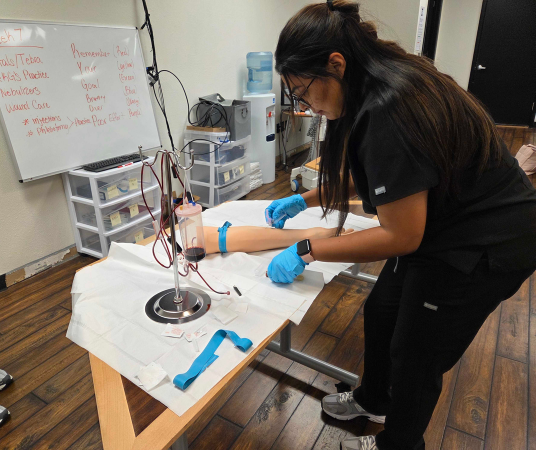
Many clinical MAs are trained to draw blood, collect specimens, complete point-of-care testing, and prepare samples for laboratory analysis.
Administering Medications Under Supervision
Depending on state laws, clinical medical assistants may give injections, administer medications, or perform EKGs under physician supervision.
Preparing Examination Rooms
Clinical MAs clean, organize, and restock rooms to maintain sanitary and efficient clinical environments.
Updating Electronic Health Records (EHRs)
Although administrative staff may focus more on EHRs, clinical MAs document symptoms, procedures, and treatments to keep patient charts accurate and up-to-date.
Skills Needed for Clinical Medical Assisting
Skills Needed for Clinical Medical Assisting
Clinical medical assistants rely on a blend of technical, interpersonal, and organizational skills. Key strengths include:
Attention to detail to ensure accuracy during procedures and patient documentation
Strong communication, particularly when educating patients or clarifying instructions
Manual dexterity for tasks like injections, phlebotomy, and specimen collection
Problem-solving to adapt during fast-paced clinical activities
Bedside manner to put nervous or uncomfortable patients at ease
Because clinical MAs handle direct patient care, they must be comfortable with bodily fluids, medical equipment, and the emotional realities of healthcare environments.
What Is an Administrative Medical Assistant?
What Is an Administrative Medical Assistant? Administrative medical assistants focus on the clerical and customer-service side of healthcare. They ensure the front office runs smoothly, serve as the first point of contact for patients, and manage the communication channels that keep providers organized.
Unlike clinical medical assistants, administrative medical assistants typically spend more time on computers and phones than in exam rooms. Their work ensures accurate billing, efficient scheduling, and a positive patient experience from the moment someone walks through the door.
If you’re detail-oriented, enjoy organizing information, and thrive in a customer-service-driven environment, this career path may align well with your strengths.
If you’re detail-oriented, enjoy organizing information, and thrive in a customer-service-driven environment, this career path may align well with your strengths.
Common Duties of Administrative Medical Assistants
Common Duties of Administrative Medical Assistants Administrative medical assistants perform critical front-office functions such as:
Managing Patient Scheduling
They book appointments, coordinate follow-ups, verify availability with providers, and help reduce scheduling conflicts.
Handling Patient Intake and Check-In
Administrative MAs gather patient demographics, verify insurance, input new data, and ensure charts are accurate before appointments.
Managing Phone Calls and Emails
They serve as the communication bridge between patients, doctors, pharmacies, and billing departments.
Processing Billing and Insurance Claims
Tasks include processing payments, coding diagnoses and procedures, and coordinating insurance authorizations.
Maintaining Medical Records
Administrative MAs use EHR systems to update patient information, file documents, and keep records organized and secure.
Coordinating Office Operations
From ordering supplies to supporting office policies, they keep the administrative side running smoothly.
Skills Needed for Administrative Medical Assisting
Skills Needed for Administrative Medical Assisting
Administrative medical assistants rely heavily on communication, organization, and customer service. Important skills include:
Computer proficiency, especially using EHR systems
Strong organizational abilities for managing schedules and records
Professional communication across phone, email, and in-person interactions
Accuracy in billing and coding, which affects reimbursement and compliance
Empathy and patience, especially when addressing patient concerns
This path is well-suited for individuals who enjoy structured work, multitasking, and helping patients feel welcomed and understood.
Key Differences Between Clinical and Administrative Medical Assisting
Key Differences Between Clinical and Administrative Medical Assisting
Although both roles fall under the medical assistant umbrella, they differ in focus, daily responsibilities, training emphasis, and career paths.
Although both roles fall under the medical assistant umbrella, they differ in focus, daily responsibilities, training emphasis, and career paths. Below are the major distinctions to help you compare:
Patient Interaction Style
Clinical MAs interact with patients during examinations, procedures, and vital checks.
Administrative MAs interact during scheduling, check-in, and payment processing.
Work Environment
Clinical MAs spend most of the day in exam rooms, labs, and back-office clinical spaces.
Administrative MAs work primarily at the front desk or in office areas.
Skill Emphasis
Clinical roles require technical medical skills and comfort with procedures.
Administrative roles require proficiency in clerical tasks, communications, and medical office software.
Training Focus
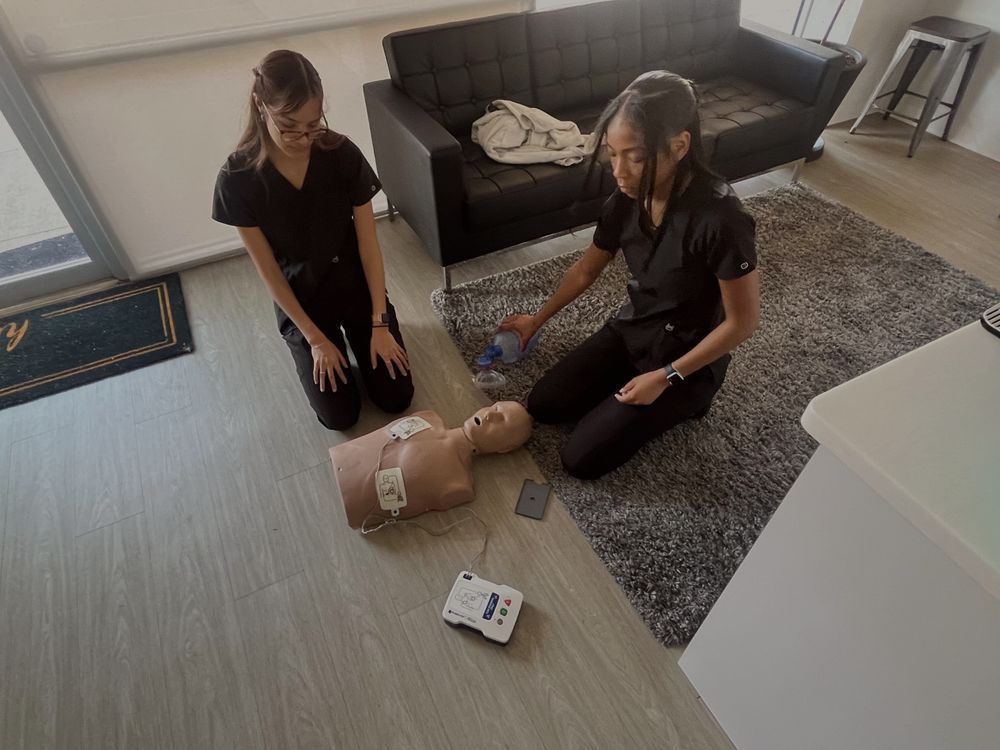
Clinical programs emphasize anatomy, phlebotomy, EKGs, and hands-on labs.
Administrative programs emphasize medical billing, insurance processes, office workflows, and EHR systems.
Career Opportunities
Clinical MAs may advance to roles such as phlebotomist, patient care tech, or medical office clinical supervisor.
Administrative MAs may grow into medical billing specialist, office manager, or patient services coordinator roles.
Which Medical Assisting Path Is Right for You?
Choosing between clinical and administrative medical assisting depends on your personality, goals, and preferred work environment. Ask yourself the following questions as you evaluate your options:
Do you prefer hands-on patient care or organizational tasks?
If you enjoy direct patient interaction, clinical work may be the right fit. If you love administrative workflows, scheduling, or customer service, an administrative role may be ideal.
How comfortable are you with medical procedures?
How comfortable are you with medical procedures? If tasks like drawing blood or assisting in examinations interest you, the clinical route provides those experiences. If not, administrative work avoids those responsibilities.
Which environment do you thrive in?
Clinical roles are fast-paced and physically active. Administrative roles are structured and consistent.
What are your long-term goals?
What are your long-term goals? Both paths offer opportunities for advancement, but your choice can shape your career direction. Clinical experience may lead to patient-facing career growth, while administrative experience may lead to office leadership roles.
Why Training Matters for Both Roles
Why Training Matters for Both Roles No matter which path you choose, proper training ensures you are ready to enter the field with confidence. Medical facilities depend on skilled medical assistants who are reliable, professional, and prepared for the demands of modern healthcare.
A strong program should offer:
Comprehensive coursework
Hands-on skill development
Real-world clinical experience
Guidance toward certification
Support preparing for job placement
The growing complexity of healthcare makes training essential, whether you’re measuring vital signs or managing patient intake.
The growing complexity of healthcare makes training essential, whether you’re measuring vital signs or managing patient intake.
Begin Your Medical Assisting Journey with Pulse
Begin Your Medical Assisting Journey with Pulse Whether you’re aiming for a clinical or administrative position, the right medical assistant training program will prepare you for long-term success. With the healthcare industry continuing to expand, skilled medical assistants are needed now more than ever.
If you’re ready to enter the medical field—whether in a clinical or administrative capacity—Pulse Medical Assistant School offers the training you need. Pulse is an online-first, 16-week medical assistant program with intensive, in-person labs that give aspiring medical assistants the confidence to help real patients receive real care. It’s a flexible, fast, and supportive pathway into a stable, high-demand healthcare career.
You're only a few months from the medical assistant career you deserve.