Crafting a Medical Assistant Resume_ 7 Tips
Crafting a Medical Assistant Resume: 7 Tips
A well-crafted resume can be the difference between landing an interview and getting passed over—especially in a competitive field like medical assisting. Whether you’re brand-new to healthcare or looking to take your career to the next level, your resume is often the first impression you’ll make on hiring managers. That means it needs to be clear, confident, and tailored specifically to the realities of fast-paced clinical environments.
Medical assistants bring an essential blend of clinical skill, communication ability, and patient-centered professionalism to their roles. Employers want to know you can contribute from day one, manage multiple responsibilities, and work well with both patients and coworkers. Your resume should show all of this at a glance. Below are seven tips to help you craft a polished, effective resume that sets you apart.
Highlight Your Clinical and Administrative Skills
Medical assistants are unique because they operate at the intersection of clinical care and administrative support. That’s why your resume should clearly showcase both categories. Instead of listing generic skills like “computer use” or “taking vitals,” focus on the specific, meaningful tasks you’re trained to perform.
For clinical skills, include abilities such as preparing patients for exams, taking vitals, rooming patients, administering injections (where permitted by state law), collecting lab specimens, sterilizing equipment, or assisting with minor procedures. This instantly demonstrates you understand hands-on patient care.
On the administrative side, specify skills like insurance verification, appointment scheduling, EHR documentation, phone triage, and patient intake processing. Many employers value MAs who can smoothly transition between front-office and back-office responsibilities, and a skill-focused section makes this versatility easy to see.
Breaking your skills into clinical and administrative sub-sections is a great formatting choice. It keeps your resume organized and highlights exactly what hiring managers want to know.
Use Action Verbs to Make Your Experience More Impactful
Action-based bullet points are one of the strongest ways to showcase your value. Instead of vague phrases like “responsible for patient intake,” use verbs that demonstrate initiative and results, such as:
Assisted
Coordinated
Documented
Prepared
Supported
Administered
Performed
Processed
Monitored
Maintained
These words convey confidence and professionalism, giving your resume a more polished and dynamic tone.
For example, compare these two statements:
For example, compare these two statements: Weak: “Did patient vitals and charting.”
Stronger: “Recorded patient vitals and accurately documented findings using the facility’s EHR system.”
The second version doesn’t just describe what you did—it shows how well you did it. Action verbs allow you to highlight both your responsibilities and the positive impact you had within your clinical environment. They also help hiring managers quickly see your qualifications without having to guess about your level of involvement.
Include Quantifiable Achievements When Possible
Numbers naturally grab attention. While it may seem hard to quantify work in a medical assistant role, there are more opportunities than many job seekers realize. Quantifiable accomplishments help hiring managers understand your experience in context and demonstrate your ability to handle real-world clinic demands.
Here are a few examples of metrics you might use:
“Assisted an average of 35 patients per day in a fast-paced primary care clinic.”
“Reduced patient wait times by 10% by improving room-prep efficiency.”
“Managed daily scheduling for a team of 5 providers.”
“Processed 50+ insurance verifications per week with high accuracy.”
“Supported vaccination clinics serving 200+ community members.”
Even small numbers can elevate your resume by painting a clearer picture of your workload, efficiency, and contributions. Quantifiable achievements also help you stand out from candidates who list only general tasks.
Tailor Your Resume to the Job Description
One of the biggest mistakes medical assistant candidates make is submitting the same resume to every employer. While it’s tempting, it can cause you to miss out on opportunities—because employers want to see that you understand their specific needs.
Before applying to a job, read the posting closely. What skills does the employer emphasize? What types of patients does the practice serve? Do they need someone who works well in a specialty environment? Are they prioritizing a candidate with strong front-desk capabilities?
Then, adapt your resume to match. This doesn’t mean changing everything; it simply means adjusting your skills and bullet points to highlight the experience most relevant to that employer.
For example:
For example: A pediatric office might value experience with vaccines, child-friendly communication, and working with families.
A cardiology practice may prioritize EKG experience, vital monitoring, and patient education.
A primary care clinic may want an MA who is equally comfortable with administrative duties and clinical support.
Tailoring your resume makes it obvious that you took the time to understand the position and see yourself in the role. It positions you as someone who is thoughtful, prepared, and committed to patient care—qualities every healthcare employer values.
Show Your Education, Certifications, and Hands-On Training
Medical assisting is a skills-driven career, and employers need to confirm you have the right training and credentials. Make sure your resume includes:
The name of your training program
The name of your training program
Your graduation date or expected graduation date
Any certifications earned (such as CCMA, CMA, RMA, CPT, etc.)
Relevant coursework, especially if you’re new to healthcare
Clinical experience from externships or labs
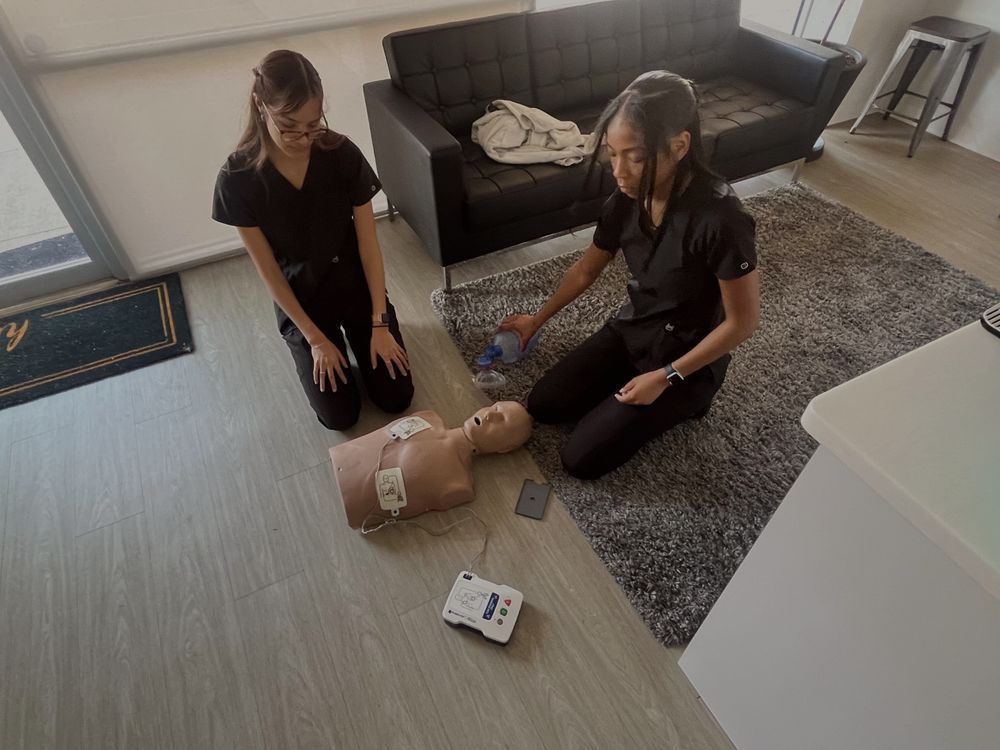
Additional credentials, such as CPR/BLS certification
If you’re still completing your training, list it as “In Progress” with your expected completion date. Employers like knowing you’re actively preparing for the role.
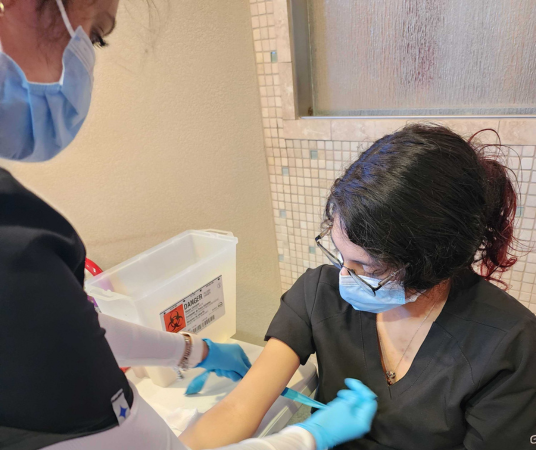
Your externship or hands-on lab experience is especially important. This is where you learned real clinical skills and demonstrated your ability to work with patients. Include specific tasks you performed, such as taking blood pressure, conducting EKGs, assisting with exams, or preparing exam rooms.
The more clearly you show your healthcare education, the more confident employers will feel about bringing you onto their team.
Keep the Format Clean, Simple, and Professional
A strong resume isn’t just about content—it’s also about presentation. Healthcare employers review many applications every week, and they often spend only seconds skimming each resume. A clean, uncluttered design ensures they’ll see your most important qualifications quickly and clearly.
Here are formatting tips to keep your resume professional:
Use clear section headings (Summary, Skills, Experience, Education, Certifications).
Stick to a single-page format unless you have several years of experience.
Use easy-to-read fonts like Arial, Calibri, or Helvetica.
Keep bullet points concise and consistent.
Avoid large blocks of text—aim for skimmable information.
Use consistent spacing for a polished look.
A well-formatted resume sends a message of organization and attention to detail—qualities that matter tremendously in a medical setting. It shows that you understand professional communication and care about presenting yourself clearly.
Add a Strong Professional Summary
Many job seekers overlook the impact of a polished professional summary at the top of their resume. This short section—usually 2–3 sentences—gives employers a snapshot of who you are and what you bring to the table.
Your summary should:
Highlight your training or experience
Emphasize key strengths
Reflect your passion for healthcare
Show confidence and professionalism
Here are a few examples tailored for medical assistants:
Entry-Level Candidate: “Compassionate and motivated medical assistant graduate with hands-on clinical training in patient care, EHR documentation, and administrative support. Skilled in vital monitoring, patient communication, and multi-tasking in fast-paced clinical environments.”
Experienced Candidate: “Detail-oriented medical assistant with 3+ years of experience supporting patient care in primary care and specialty settings. Proficient in EHR entry, injections, rooming, insurance verification, and assisting physicians with procedures.”
Career-Changer:
“Organized and adaptable professional transitioning into healthcare with strong customer service experience and recent clinical training as a medical assistant. Known for excellent communication, empathy, and reliability.”
Your summary sets the tone for the rest of your resume. Make it confident, polished, and aligned with the type of medical assistant role you want to pursue.
Take the First Step With Pulse Medical Assistant School
Take the First Step With Pulse Medical Assistant School Your medical assistant resume is an opportunity to show employers you’re ready to make a meaningful impact from your very first day on the job. By highlighting your skills, training, achievements, and professionalism, you can stand out in a crowded applicant pool and position yourself for interviews and career growth.
A polished resume doesn’t just list what you’ve done—it communicates who you are as a healthcare professional. Show your initiative. Show your commitment to quality care. Show that you’re ready to join a team that values patient well-being.
If you’re ready to become a medical assistant—or elevate your qualifications even further—a high-quality training program is the best place to start. Pulse Medical Assistant School offers an online-first, 16-week medical assistant program with intensive, in-person labs designed to give you the confidence and hands-on experience to help real patients receive real care.
With focused training, practical skills, and a strong resume, you’ll be ready to launch a rewarding career in one of healthcare’s most essential roles.
You're only a few months from the medical assistant career you deserve.