Cultural Competency for Medical Assistants_ Why It Matters
Cultural Competency for Medical Assistants: Why It Matters
Healthcare is deeply personal. Every patient brings their own background, beliefs, language preferences, family dynamics, and lived experiences into the exam room. For medical assistants, who are often the first and last point of contact in a clinical visit, understanding and respecting these differences is essential. Cultural competency is not about memorizing customs or stereotypes—it’s about developing awareness, empathy, and practical skills that help deliver better care to every patient.
As patient populations across the United States continue to grow more diverse, cultural competency has become a core professional skill for medical assistants. From communication and trust-building to patient safety and health outcomes, the ability to provide culturally responsive care directly impacts the quality of care patients receive. For medical assistants, cultural competency isn’t optional—it’s a fundamental part of doing the job well.
Cultural Competency Improves Patient Communication
Clear communication is the foundation of effective healthcare, and cultural competency plays a critical role in how information is exchanged between patients and providers. Medical assistants routinely explain procedures, collect health histories, verify medications, and provide instructions for follow-up care. When cultural or language barriers exist, misunderstandings can easily occur if care is not delivered thoughtfully.
Culturally competent medical assistants are more attuned to differences in communication styles, health literacy levels, and language needs. They know how to adjust their tone, avoid jargon, use teach-back methods, and recognize when interpreter services are needed. This leads to more accurate information gathering and ensures patients fully understand their care instructions.
When patients feel heard and understood, they are more likely to ask questions, disclose important health details, and follow treatment plans. Strong communication reduces errors, increases patient satisfaction, and helps the entire healthcare team work more effectively.
Cultural Competency Builds Trust with Patients
Trust is a cornerstone of patient care, and it is especially important in communities that may have experienced barriers, bias, or negative interactions with the healthcare system in the past. Medical assistants are often the professionals who set the tone for a patient’s experience, making trust-building a key responsibility of the role.
Cultural competency helps medical assistants approach each patient without assumptions or judgment. By respecting cultural beliefs, acknowledging differences, and showing genuine curiosity and compassion, medical assistants can help patients feel safe and respected. Small actions—such as correctly pronouncing names, honoring modesty preferences, or understanding family involvement in decision-making—can have a significant impact.
When trust is established, patients are more likely to return for care, share concerns honestly, and engage in preventative health services. For medical assistants, cultural competency strengthens patient relationships and contributes to more positive clinical outcomes.
Cultural Competency Supports Better Health Outcomes
Health outcomes are influenced by far more than medical treatment alone. Cultural beliefs, social factors, access to resources, and personal experiences all shape how patients approach their health. Medical assistants who understand this broader context are better equipped to support patients in meaningful ways.
Culturally competent medical assistants recognize that patients may have different beliefs about illness, pain, medication, and preventative care. They can identify potential barriers—such as mistrust, financial concerns, or cultural stigmas—and communicate these factors to providers. This allows care teams to tailor treatment plans that are realistic and culturally appropriate.
By helping bridge the gap between clinical recommendations and patients’ real-life circumstances, medical assistants play a direct role in improving adherence to care plans, reducing missed appointments, and supporting long-term wellness. Cultural competency ultimately helps healthcare move from one-size-fits-all treatment to truly patient-centered care.
Cultural Competency Enhances Workplace Collaboration
Healthcare settings are diverse not only in patient populations, but also among staff. Medical assistants work alongside physicians, nurses, administrators, and specialists from many different backgrounds. Cultural competency supports respectful collaboration and a more inclusive workplace environment.
Medical assistants with cultural awareness are better prepared to navigate differences in communication styles, professional expectations, and problem-solving approaches within the healthcare team. This reduces misunderstandings, prevents conflict, and encourages mutual respect among colleagues.
Strong teamwork improves efficiency, reduces stress, and leads to better patient care overall. For medical assistants, cultural competency is not just a patient-facing skill—it’s a professional skill that supports career growth, leadership development, and positive workplace relationships.
Cultural Competency Helps Ensure Ethical and Equitable Care
Healthcare ethics are rooted in fairness, respect, and the commitment to do no harm. Cultural competency is essential for delivering equitable care and avoiding unconscious bias that can negatively affect patient experiences and outcomes.
Medical assistants are responsible for tasks such as rooming patients, collecting vital signs, documenting information, and assisting with procedures. If bias—intentional or not—enters these interactions, it can influence how care is delivered or prioritized. Cultural competency helps medical assistants recognize their own assumptions and approach every patient with the same level of professionalism and care.
Providing equitable care means meeting patients where they are, understanding their unique needs, and ensuring that all patients receive accurate information and appropriate support. By practicing cultural competency, medical assistants help uphold ethical standards and contribute to a healthcare system that is more just and inclusive.
Preparing for a Culturally Diverse Healthcare Environment
Preparing for a Culturally Diverse Healthcare Environment Cultural competency is not a skill developed overnight. It requires education, self-reflection, and real-world practice. For aspiring medical assistants, choosing a training program that emphasizes communication, professionalism, and hands-on experience is critical.
Medical assistants must be prepared to work with patients of different ages, ethnicities, languages, religious backgrounds, and socioeconomic circumstances. Exposure to real clinical environments, combined with structured training, helps students build confidence and adaptability before entering the workforce.
As healthcare continues to evolve, cultural competency will only become more important. Medical assistants who develop this skill early in their careers are better positioned to succeed, advance professionally, and make a lasting positive impact on patient care.
Training for Real-World Patient Care
Training for Real-World Patient Care Cultural competency matters because healthcare is ultimately about people. For medical assistants, the ability to communicate effectively, build trust, support better health outcomes, collaborate with diverse teams, and deliver ethical care is essential to success in the field. Cultural competency strengthens every aspect of the medical assistant role and improves the patient experience at every stage of care.
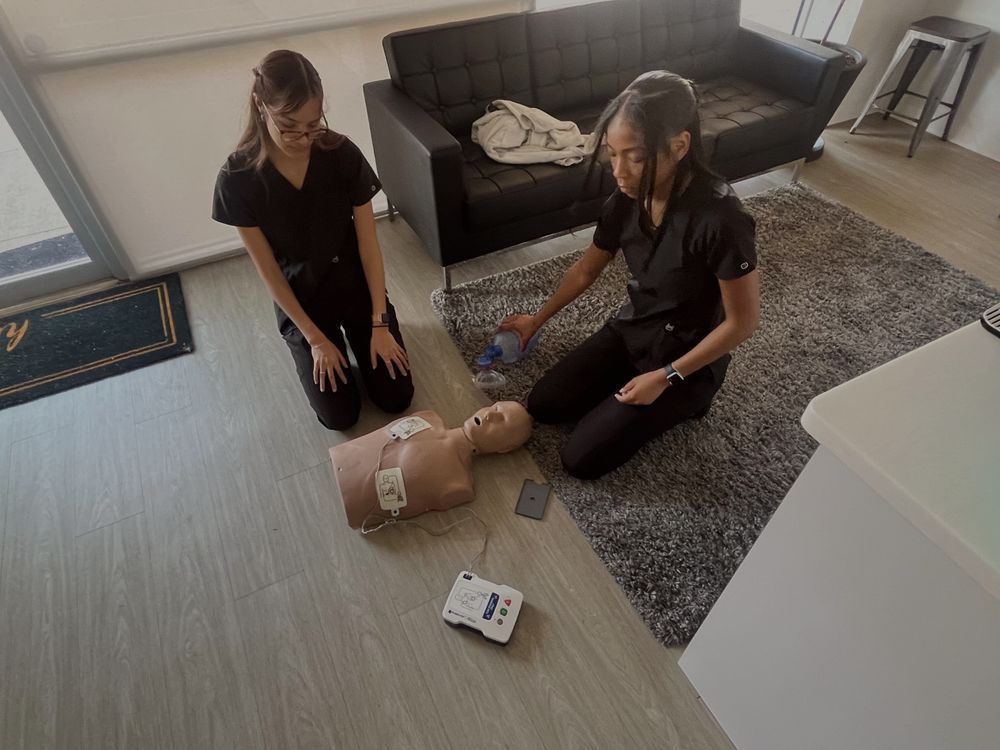
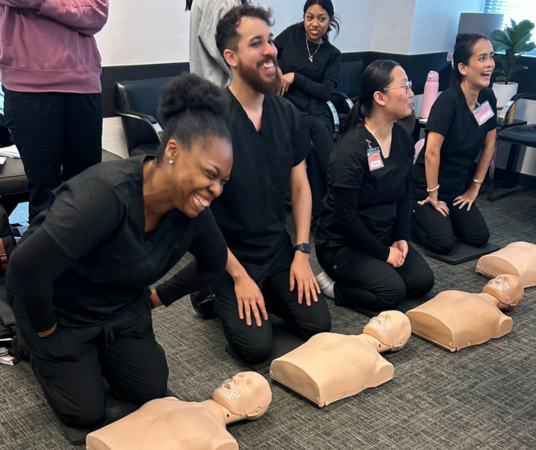
Pulse Medical Assistant School prepares students for this reality through an online-first, 16-week medical assistant program designed for today’s healthcare environment. With intensive, in-person labs, students gain hands-on experience that builds confidence, practical skills, and readiness to support real patients in real clinical settings. For aspiring medical assistants who want to deliver compassionate, culturally responsive care, Pulse Medical Assistant School provides the training needed to succeed from day one.
You're only a few months from the medical assistant career you deserve.