Dermatology Medical Assistant Career Guide_ Pay, Skills & How to Start
Dermatology Medical Assistant Career Guide: Pay, Skills & How to Start
Dermatology is one of the fastest-growing specialties in healthcare, with millions of Americans seeking care for conditions ranging from acne to skin cancer. As a result, dermatology medical assistants (DMAs) are in high demand. These professionals play a crucial role in helping dermatologists deliver safe, efficient, and high-quality patient care. For anyone who enjoys a blend of clinical tasks, patient interaction, and specialty-specific procedures, this career path offers an exciting and rewarding entry point into healthcare.
Whether you’re considering medical assisting for the first time or looking to move into a specialized role, dermatology offers the chance to develop hands-on technical skills, build patient trust, and work in a stable, well-paying field. This guide breaks down everything you need to know about the career—from typical pay and essential skills to training requirements and steps to get started.
What Does a Dermatology Medical Assistant Do?
What Does a Dermatology Medical Assistant Do? Dermatology medical assistants handle both clinical and administrative responsibilities, supporting dermatologists, physician assistants, and nurse practitioners. Because dermatology involves a wide range of procedures—from cosmetic treatments to medical and surgical care—DMAs develop a unique mix of patient-facing skills and technical competencies.
Clinical Responsibilities
Dermatology medical assistants play a direct role in patient care. Their daily duties often include:
Preparing patients for exams by reviewing symptoms, medical history, and concerns.
Preparing patients for exams by reviewing symptoms, medical history, and concerns. Documenting skin conditions such as rashes, moles, lesions, and acne severity.
Assisting with dermatologic procedures, including biopsies, excisions, suture removal, cryotherapy, and laser treatments.
Applying and removing dressings or bandages after procedures.
Sterilizing instruments and maintaining exam room cleanliness between appointments.
Explaining aftercare instructions to help patients recover safely.
Because dermatology involves such a high volume of specialized procedures, DMAs gain valuable hands-on experience that can support future career advancement.
Because dermatology involves such a high volume of specialized procedures, DMAs gain valuable hands-on experience that can support future career advancement. Administrative Responsibilities
Clinical support is only part of the role. Dermatology medical assistants also help keep the practice running smoothly by:
Scheduling appointments—especially time-sensitive follow-ups such as biopsy results.
Managing patient records and keeping documentation accurate and up to date.
Coordinating lab tests and communicating results to patients.
Handling prior authorizations for medications or procedures.
Supporting billing and coding, particularly for biopsies and dermatologic surgeries.
The best DMAs excel at multitasking while maintaining attention to detail—a must in a specialty that relies heavily on accurate documentation.
The best DMAs excel at multitasking while maintaining attention to detail—a must in a specialty that relies heavily on accurate documentation.
Dermatology Medical Assistant Salary: What You Can Expect
Dermatology medical assistants generally earn higher-than-average pay compared to general medical assistants due to the specialty’s technical skill requirements.
National Average Salary
Across the U.S., dermatology medical assistants typically earn:
$38,000–$50,000 per year depending on experience and location.
Some earn $20–$25 per hour, especially in high-demand metropolitan areas or specialty dermatology clinics with surgical services.
This salary range is often higher than standard medical assistant roles, reflecting the advanced skills required for dermatology procedures.
Factors That Influence Pay
Your exact earnings depend on several factors:
Experience level – Senior DMAs or those with cosmetic skills (laser hair removal, chemical peels, microdermabrasion) tend to earn more.
Clinic type – Surgical dermatology and cosmetic dermatology often offer higher pay than general dermatology.
Location – States like California, New York, and Massachusetts typically offer the highest salaries.
Certifications – Certified medical assistants (CMAs, RMAs, CCMA) often qualify for higher-paying roles.
Dermatology is also known for strong benefits packages, including predictable schedules, holidays off, and opportunities to grow into roles like Cosmetic Assistant, Lead MA, or even Office Manager.
Essential Skills Every Dermatology Medical Assistant Needs
Essential Skills Every Dermatology Medical Assistant Needs Dermatology is a skill-heavy specialty, making it ideal for detail-oriented medical assistants who enjoy precision and patient interaction. Here are the top skills employers look for:
Dermatology-Specific Clinical Knowledge
While medical assistant training covers general clinical skills, dermatology requires understanding:
While medical assistant training covers general clinical skills, dermatology requires understanding:
Skin anatomy and common disorders
Wound care techniques
Suture removal protocols
Biopsy preparation and handling
Cryotherapy procedures
Cosmetic treatment basics
This specialized knowledge helps you work confidently in a fast-paced dermatology setting.
Strong Patient Communication Skills
Patients often feel anxious when dealing with skin issues, especially cosmetic concerns or suspicious lesions. DMAs help build trust by:
Explaining procedures in simple terms
Offering reassurance during exams
Providing clear aftercare instructions
Answering questions about recovery
Empathy and active listening go a long way in dermatology care.
Attention to Detail
Dermatology documentation is incredibly detailed. A minor wording difference can impact lab interpretation, follow-up requirements, or insurance coverage. DMAs need:
Accurate note-taking
Clean data entry
Proper labeling of biopsy specimens
Precise tracking of patient photos
Mistakes can delay diagnosis, so attention to detail is a must.
Technical and Procedural Skills
Dermatology medical assistants regularly assist with technical procedures, meaning they must be comfortable with:
Instruments used in excisions and biopsies
Sterile field preparation
Laser room safety protocols
Application of topical anesthetics
Post-procedure wound dressing
These skills help the dermatologist perform procedures safely and efficiently.
Administrative and Organizational Abilities
Because dermatology clinics often see high patient volume, administrative skill is essential. DMAs must be able to:
Coordinate biopsy follow-ups
Manage scheduling for surgery days
Support accurate billing and coding
Maintain steady patient flow
Balancing clinical tasks with front-office duties is part of what makes the role dynamic.
Balancing clinical tasks with front-office duties is part of what makes the role dynamic. Where Do Dermatology Medical Assistants Work?
Dermatology MAs can work in a variety of environments, each offering a slightly different experience:
General Dermatology Clinics
These clinics treat conditions like eczema, acne, psoriasis, and dermatitis. DMAs help with patient intake, documentation, biopsies, and follow-up care.
Surgical Dermatology Practices
Focused on procedures such as skin cancer removal (including Mohs surgery), these clinics rely heavily on assistants skilled in sterile technique, wound care, and specimen handling.
Cosmetic Dermatology Offices
These practices offer services like:
Botox and fillers
Laser therapy
Chemical peels
Microdermabrasion
Skin rejuvenation treatments
DMAs in these settings may assist with procedures, prepare treatment rooms, and educate patients on skincare products.
Medical Spas with Dermatology Providers
Some medical assistants choose to work in hybrid environments where dermatologists oversee cosmetic services. These roles offer extra exposure to aesthetic treatments.
How to Become a Dermatology Medical Assistant
How to Become a Dermatology Medical Assistant You don’t need a college degree to start this career—making it one of the most accessible healthcare specialties. Most dermatology clinics prefer or require training through an accredited program, followed by certification.
Here are the steps to get started:
Enroll in a Medical Assistant Training Program
A quality medical assistant program teaches you the clinical, administrative, and patient-care skills needed for any specialty. Look for a program that offers:
Hands-on labs
Experienced instructors
Flexible online learning
Exam preparation for national certifications
This foundation prepares you to walk into a dermatology office confidently from day one.
Complete Clinical Externship Hours
Externships are where you apply your skills in a real clinic, working directly with patients and providers. Dermatology clinics value candidates who already have hands-on experience in:
Vitals
Wound care
Injections
Administrative workflows
Electronic health records (EHRs)
Externships also help many students land their first jobs.
Earn a National Certification
While not always required, certification makes you a stronger candidate. Popular options include:
While not always required, certification makes you a stronger candidate. Popular options include:
CCMA – Certified Clinical Medical Assistant
CMA – Certified Medical Assistant
RMA – Registered Medical Assistant
Certification shows employers you have proven clinical knowledge and a commitment to professionalism.
Start Applying to Dermatology Clinics
Once you’re trained and certified, you can begin applying to:
Dermatology group practices
Surgical dermatology centers
Cosmetic dermatology clinics
Medical spas with dermatology providers
Tailor your resume to highlight:
Clinical skills (vitals, wound care, sterile techniques)
Any dermatology-specific experience
Strong communication and organizational abilities
Many new MAs start in general dermatology before transitioning into surgical or cosmetic roles.
Continue Building Specialty Skills
Dermatology offers numerous opportunities for professional development. As you gain experience, you can learn:
Laser safety and operation
Cosmetic procedure assistance
Advanced wound-care protocols
Mohs surgery workflows
Dermatopathology basics
Some medical assistants go on to become lead MAs, trainers, or practice managers.
Is Dermatology a Good Career Path for Medical Assistants?
Is Dermatology a Good Career Path for Medical Assistants?
Absolutely. Dermatology is known for being one of the most rewarding medical assistant specialties—for several reasons:
Consistent Schedule
Most dermatology clinics operate weekdays with limited or no evening/weekend hours.
Predictable Patient Flow
Appointments are structured, allowing for steady but manageable pacing.
High Job Satisfaction
Dermatology involves improving patients’ confidence and helping diagnose serious conditions early—making the work meaningful.
Dermatology involves improving patients’ confidence and helping diagnose serious conditions early—making the work meaningful.
Long-Term Career Growth
Long-Term Career Growth Dermatology medical assistants often gain technical skills that transfer easily into higher-paying or advanced positions.
Start Your Dermatology Medical Assistant Career with Confidence
Start Your Dermatology Medical Assistant Career with Confidence Dermatology medical assisting offers a unique blend of hands-on procedures, patient support, administrative work, and specialty training. With strong job growth, competitive pay, and opportunities in both medical and cosmetic care, it’s an excellent field for anyone beginning or advancing their healthcare career.
If you’re ready to launch your journey and build the skills dermatology employers want, the right training program can help you get there.
Start Your Medical Assisting Career with Pulse Medical Assistant School
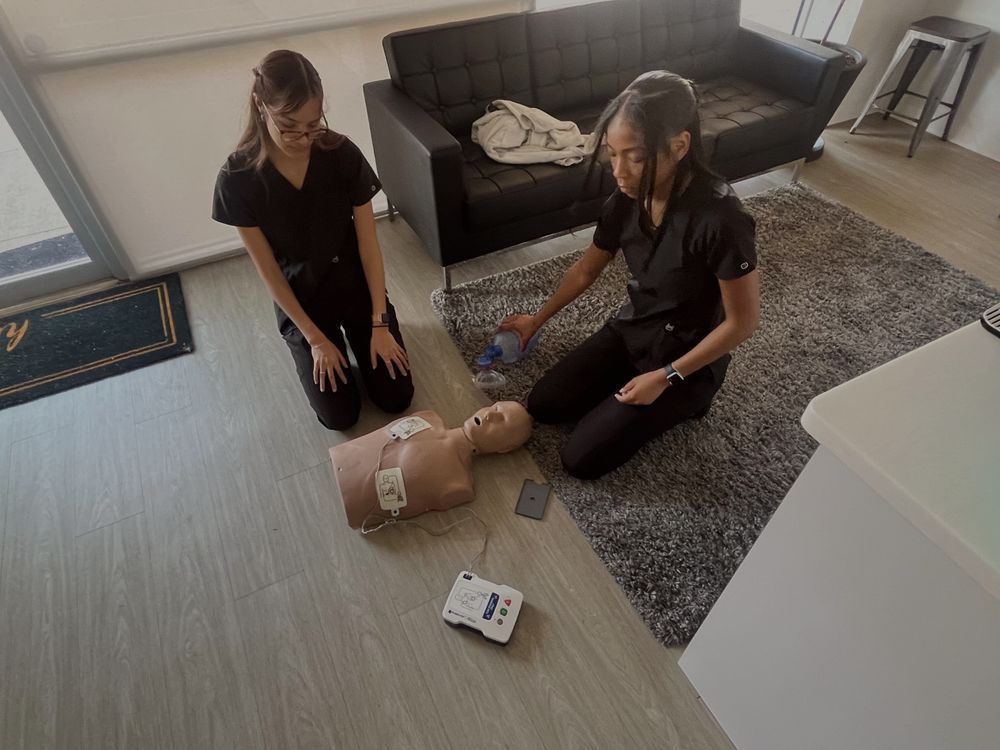
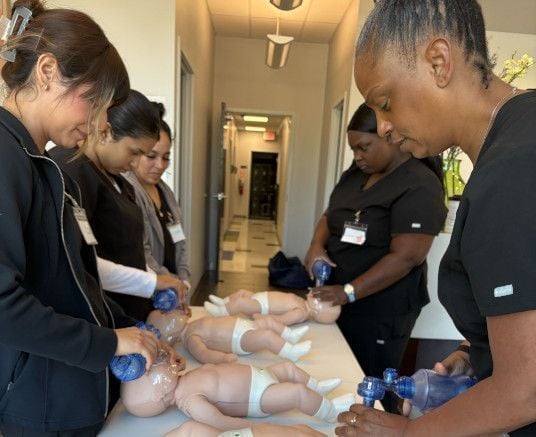
Start Your Medical Assisting Career with Pulse Medical Assistant School Pulse Medical Assistant School is an online-first, 16-week medical assistant program designed to prepare you for real-world patient care. Every student completes intensive, in-person labs, giving aspiring medical assistants the confidence and hands-on experience they need to help real patients receive real care. If you’re ready to begin a career in dermatology or any medical specialty, Pulse provides the training, support, and certification preparation to help you succeed.
You're only a few months from the medical assistant career you deserve.