Do You Need a Degree to Be a Medical Assistant_
Do You Need a Degree to Be a Medical Assistant?
Breaking into the healthcare field doesn’t always require years of schooling, student loan debt, or a four-year degree. For many people, becoming a medical assistant offers a fast, flexible, and highly accessible pathway into patient care—one that doesn’t require a traditional college route. Today’s medical assistants support physicians, nurses, and clinical teams in delivering high-quality care, and they do it by mastering hands-on skills and clinical fundamentals rather than spending years in lecture halls.
If you’ve been wondering whether you need a degree to become a medical assistant, you’re not alone. It’s one of the most common questions aspiring healthcare professionals ask. The good news? Employers overwhelmingly prioritize clinical skills, certifications, and practical training over a college degree. In fact, thousands of students launch successful medical assistant careers each year without ever enrolling in a traditional degree program. What matters most is the right training—and the right preparation—for a job that’s growing faster than almost any other in allied health.
Below are five clear reasons why a degree isn’t required to become a medical assistant—and why a faster, more affordable path is often the better investment.
You Can Train Through an Accelerated Program Like Pulse (No Degree Required)
One of the biggest advantages of pursuing a medical assistant career is the accessibility of accelerated training programs. Instead of spending years in a college classroom, future MAs can complete all their required education in a focused, streamlined program designed for real-world healthcare settings.
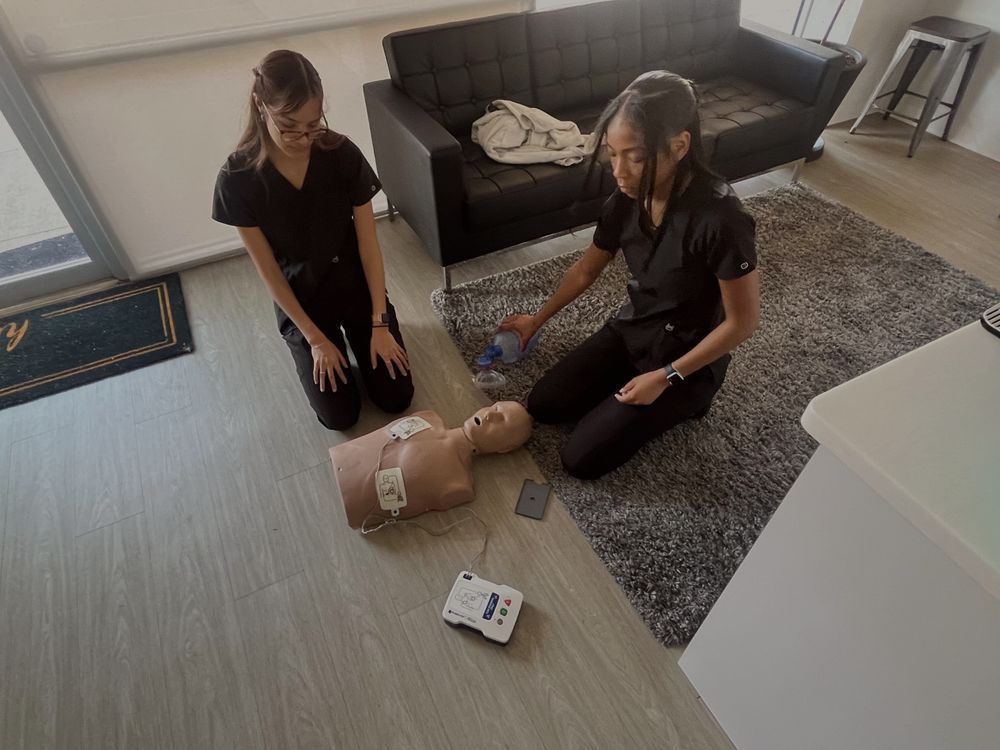
Programs like Pulse Medical Assistant School offer a 16-week, online-first medical assistant curriculum paired with intensive, in-person labs. That means students learn core medical skills quickly and practice them hands-on with instructors who have experience in clinics, hospitals, and urgent care centers. In less than four months, learners gain the clinical confidence to support patient care—and they can start working immediately after completing their program.
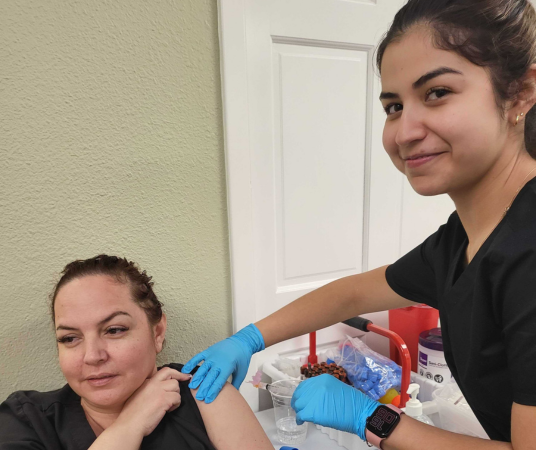
Because medical assisting is a skills-driven profession, employers care far more about whether you can perform patient intake, take vitals, complete EKGs, manage medical records, or assist with clinical procedures than whether you hold a degree. Accelerated programs teach exactly those competencies, helping students master practical skills efficiently without general education courses or unnecessary electives.
This kind of focused training is not only faster—it’s also more cost-effective. Rather than paying thousands of dollars annually for college tuition, aspiring medical assistants can invest in a program specifically designed to prepare them for the career they want. The result? A stronger skill set, quicker job readiness, and far less financial burden.
Employers Prioritize Skills, Certification, and Experience—Not Degrees
In healthcare environments, competence is everything. Medical assistants work directly with patients and clinical teams, which means employers need professionals who can confidently and accurately perform essential tasks. Whether it’s administering injections, measuring blood pressure, preparing exam rooms, or assisting with minor procedures, practical skills matter more than formal academic credentials.
This is why most medical practices, outpatient centers, and hospitals do not require a degree for medical assistant roles. Instead, hiring managers look for:
Demonstrated hands-on clinical abilities
Completion of an accredited or recognized MA training program
Strong performance in labs and simulations
Certification readiness (depending on employer preference)
Professionalism, communication skills, and reliability
Many employers even prefer candidates who completed focused training programs because they know those programs emphasize the exact skills patients and providers rely on every day. With healthcare systems busier than ever, employers want team members who can step in quickly and confidently—not those who have spent years studying unrelated academic subjects.
Certification is another area where training matters more than a degree. After completing a medical assistant program, students are typically eligible to sit for certification exams such as:
Certified Clinical Medical Assistant (CCMA)
Registered Medical Assistant (RMA)
Certified Medical Assistant (CMA), depending on program eligibility
These credentials demonstrate that you have the knowledge and skills required for real-world clinical responsibilities. Employers view certification as a much stronger indicator of competence than a degree in an unrelated field.
In short: what you can do will always matter more than where—or whether—you earned a degree.
Medical Assistant Programs Are Designed for Career-Changers and First-Time Students
Many people choose a medical assistant career because they want to enter the healthcare field quickly, perhaps after switching careers or returning to the workforce. Others are recent high school graduates who want a stable career path without the debt or time commitment of college. Medical assisting is intentionally accessible for both groups.
MA programs are built to serve learners of all backgrounds, including:
Working adults balancing jobs or families
Working adults balancing jobs or families
People transitioning from retail, food service, or administrative roles
Individuals who want a healthcare career but don’t want years of schooling
Individuals who want a healthcare career but don’t want years of schooling
Students seeking a stepping-stone to nursing, radiology, medical billing, or other health fields
Military veterans building new civilian careers
Because of this, medical assistant training is structured to remove as many barriers as possible. Programs typically accept learners without college credits, without prerequisites, and without prior clinical experience. Instead of requiring math, English, or science courses as degree programs do, medical assistant programs focus purely on job-specific skills.
In addition to being easier to enter, these programs are also easier to complete. Rather than juggling multiple professors and courses, students work through a single cohesive curriculum designed to build confidence and competence step-by-step. Labs are interactive and skill-based, allowing students to practice tasks repeatedly until they become second nature.
This learner-friendly structure is a major reason why a degree is not required. Medical assisting is meant to be a realistic, affordable, and approachable doorway into healthcare for anyone motivated to help patients.
The Path Is Faster and More Affordable Without a Degree
One of the biggest myths about healthcare careers is that you need a long, expensive degree to get started. But that’s simply not true for medical assisting. In fact, avoiding a degree is often the smarter financial choice.
Here’s why:
You avoid years of tuition
A traditional two- or four-year degree can cost tens of thousands of dollars annually. Even community college programs require multiple semesters of coursework, textbooks, and fees. By contrast, an accelerated MA program consolidates everything you need into a single, short-term training experience.
You start earning sooner
Every month spent in school is a month you are not working in your new career. Medical assistants who complete an accelerated program can begin earning income much faster than degree-seeking students who spend years studying before entering the workforce.
You reduce debt
Most accelerated programs cost a fraction of degree programs. That means students avoid large loans, interest payments, and long-term financial stress. For many, that alone makes the non-degree path the most practical choice.
You gain job security quickly
Because medical assisting is in high demand, graduates often find employment soon after completing their program. The sooner you train, the sooner you benefit from job stability, predictable income, and career advancement opportunities.
When you choose a non-degree path, you’re not lowering your standards—you’re choosing efficiency, affordability, and direct preparation for the job you want. For thousands of medical assistants, that choice leads to long-term career growth without the financial strain of higher education.
Medical Assisting Is Skill-Based, Not Degree-Based
Some healthcare careers—like becoming a registered nurse, physician, or physical therapist—require degrees because they involve complex diagnostic and treatment responsibilities. Medical assisting is different. It is a practical, skills-driven profession, centered on supporting clinical teams and performing hands-on patient care tasks.
Because of that, the most important qualifications for medical assistants include:
Manual skills (such as taking vitals, performing injections, or conducting EKGs)
Ability to follow healthcare protocols
Strong understanding of medical terminology and anatomy
Proficiency in electronic health records
Compassion, communication, and patient service
Ability to adapt quickly in a fast-paced environment
None of these require a college degree—but all of them require quality training.
A focused medical assistant program prepares learners for these responsibilities much more effectively than a general education degree. Students gain concentrated exposure to real medical procedures, real equipment, and real patient scenarios. These experiences are what employers value most when evaluating job candidates.
Medical assisting also offers plenty of room for career growth without requiring additional degrees. Many medical assistants advance into roles such as:
Medical assisting also offers plenty of room for career growth without requiring additional degrees. Many medical assistants advance into roles such as: Clinic lead
Medical office manager
Patient care coordinator
Phlebotomist
EKG technician
Medical billing specialist
And for those who eventually want to pursue nursing or other advanced healthcare roles, medical assisting provides a strong foundation.
All of this reinforces a simple truth: medical assisting is built for people who are ready to learn, ready to help patients, and ready to begin their healthcare careers—without spending years chasing a degree.
A Degree Isn’t Required—But Quality Training Is Essential
A Degree Isn’t Required—But Quality Training Is Essential Becoming a medical assistant is one of the fastest and most accessible ways to start a healthcare career. Instead of requiring a degree, medical assisting focuses on competency, clinical readiness, and hands-on experience. With the right training program, students can gain the skills they need to succeed in just a few months—and begin working in one of the most stable and rewarding fields in healthcare.
Whether you’re a recent graduate, a career-changer, or someone eager to make a difference in patient care, you can launch your medical assistant journey quickly and affordably without a traditional degree.
Start Your Medical Assistant Career with Pulse
Start Your Medical Assistant Career with Pulse If you’re ready to begin a healthcare career without spending years in school, Pulse Medical Assistant School offers the perfect starting point. As an online-first, 16-week medical assistant program with intensive, in-person labs, Pulse gives students the hands-on confidence they need to help real patients receive real care.
With flexible scheduling, job-ready skills, and a fast path into the workforce, Pulse helps you turn your passion for helping others into a meaningful healthcare career.
Start your journey today.
You're only a few months from the medical assistant career you deserve.