Do You Need Formal Training to Work as a Medical Assistant_

Do You Need Formal Training to Work as a Medical Assistant?
Entering the healthcare field can feel complicated, especially when you’re trying to understand what credentials you truly need to launch a career. Medical assisting is one of the most accessible and fast-growing roles in healthcare, but many people wonder whether they must complete formal training before stepping into the job. The good news: becoming a medical assistant can often be quicker and more flexible than people realize. Depending on your state and the employer you’re applying to, you may be able to begin working without a traditional degree or long-term education.
However, that doesn’t mean employers aren’t looking for skills. Medical assistants play a hands-on role in both patient care and administrative support, and they must be competent, confident, and prepared. While formal training is not always required, it is one of the smartest ways to stand out, secure competitive roles, and build the knowledge you need to feel fully capable in a clinical environment. Before choosing your path, let’s explore why formal training isn’t legally mandatory—and why many future MAs choose to pursue structured education anyway.
5 Reasons You Do Not Need Formal Training to Work as a Medical Assistant
Many States Do Not Require MA Certification
One of the biggest misconceptions about medical assisting is that it is a regulated, license-based career nationwide. In reality, most states do not require medical assistants to hold certification or complete a formal training program. Medical assisting is considered an “unlicensed assistive personnel” role, meaning training requirements are largely determined by employers rather than by state law.
Because of this, some clinics, urgent care centers, and physician offices are willing to hire candidates with a high school diploma and provide their own on-the-job training. These facilities may prefer to train new hires according to their internal protocols, electronic health record systems, and patient population needs. For career changers or recent graduates who want to enter the field quickly, this makes medical assisting an attractive option.
But while certification isn’t legally required, it can influence the types of tasks an MA is allowed to perform. Some states restrict certain clinical duties—like medication administration or lab testing—to certified or trained assistants. This is one reason many aspiring MAs choose to pursue structured education even when it isn’t mandatory.
Employers Often Provide On-the-Job Skill Building
Another reason formal training isn’t always required is that many employers offer comprehensive on-the-job training. Healthcare facilities prefer to hire motivated, reliable individuals and teach them the clinical and administrative skills needed for the role. This model benefits both the employer and the employee: the clinic develops an MA who understands its systems, and the new hire gets immediate, hands-on experience.
On-the-job training may cover:
Taking vital signs
Sanitizing exam rooms
Handling patient intake and scheduling
Preparing patients for examinations
Preparing patients for examinations
Drawing blood (in some states and with proper supervision)
Basic billing procedures
Electronic health record documentation
This type of training allows you to learn directly in a real clinical environment, which can be an effective way to understand daily workflow and patient interaction. For many employers, attitude, communication skills, and dependability matter just as much as prior medical education.
However, candidates with formal training often move through training periods faster and may be trusted with more complex tasks sooner. Without prior education, it can take longer to build confidence or qualify for advanced roles such as lead MA, care coordinator, or specialized clinical assistant.
A High School Diploma Is Enough to Start
You do not need a college degree—or even a certificate—to start working as a medical assistant in many states. A high school diploma or GED is enough to get your foot in the door, especially in entry-level jobs that focus on clerical or basic clinical support.
This makes medical assisting one of the most accessible healthcare careers available. Unlike nursing, radiology, or other medical specialties that require licensing exams and long-term education, medical assisting allows individuals to begin working sooner. For people who need a stable job quickly or want to test whether healthcare is right for them, this is a huge advantage.
Still, because the barrier to entry is low, competition for jobs can be higher. Many applicants without training apply for the same roles, and employers often prioritize candidates who show initiative by completing a structured program or certification. Even if certification isn’t required, it communicates professionalism, preparation, and a commitment to patient care.
You Can Gain Experience While You Learn
One of the most unique advantages of medical assisting is that you can start gaining experience even while you pursue training. Because employers may hire candidates without certification, some students gain entry-level roles first and then enroll in a program to expand their skills.
This “earn-while-you-learn” approach is appealing for several reasons:
You build clinical hours while completing coursework
You learn theory in class and apply it immediately on the job
You increase your income potential faster
You position yourself for certification once you’ve completed your training
Even without formal training at the beginning, working as an MA exposes you to medical terminology, clinical procedures, patient interaction, and the daily realities of healthcare. This practical understanding makes your training experience richer and more relevant if you later enroll in a program.
Employers tend to notice when students take this initiative. If you demonstrate the willingness to learn and grow, managers are more likely to promote you, offer full-time roles, or help cover certification fees after you complete your training.
Career Advancement Doesn’t Require a Degree
Finally, medical assisting offers a rare level of career flexibility—you do not need a degree to advance. Whether you start in an entry-level position without training or pursue certification from the beginning, you can build a long-term career in healthcare without a formal degree.
Growth opportunities include:
Lead or senior medical assistant
Clinical team coordinator
Office manager
Patient care technician
Care coordinator
Medical scribe
Phlebotomy technician
EKG technician
Some MAs even continue into nursing, respiratory therapy, or healthcare administration. Starting without training doesn’t prevent you from pursuing these paths later. Instead, you can build experience, discover what you enjoy, and then choose additional training or education that aligns with your goals.
However, it’s important to recognize that even though formal training isn’t required, the best-paying and most advanced roles often go to candidates with strong clinical skills—something structured programs provide. If your goal is to move quickly into higher-paying, high-responsibility positions, investing in training is one of the fastest ways to get there.
So…Do You Need Formal Training?
Legally, no. In most states, you can work as a medical assistant without a certificate, degree, or formal program. Employers can hire and train you directly, and you can start a meaningful healthcare career with only a high school diploma.
But practically, the answer is more nuanced. Healthcare employers are under increasing pressure to maintain high-quality patient care, reduce errors, and streamline operations. That means they prefer MAs who bring:
Strong clinical knowledge
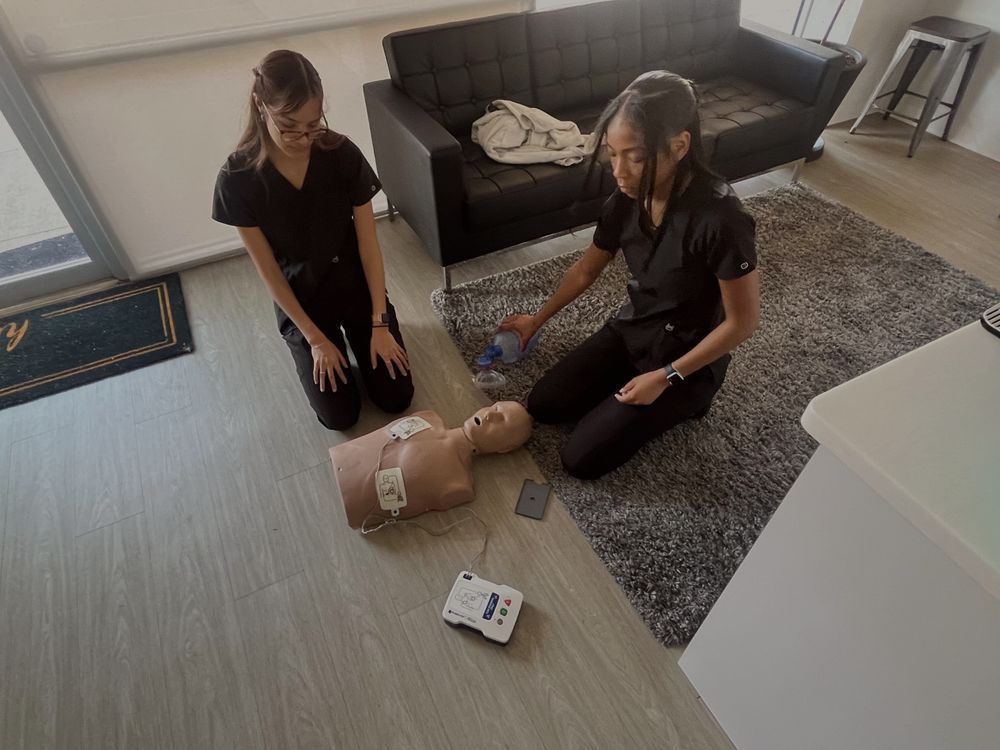
Hands-on practice with real equipment
Understanding of privacy and safety protocols
Understanding of privacy and safety protocols
Confidence interacting with patients
Accuracy in electronic health record systems
These are precisely the skills taught in reputable training programs. So while formal training isn’t required, it is one of the smartest investments you can make if you want to advance quickly, qualify for higher-paying roles, or differentiate yourself in a competitive job market.
If your goal is to start fast and grow with confidence, a structured training program offers clarity, skill mastery, and real-world preparation. Many programs—including accelerated options—are built for adults balancing work, family, and other responsibilities, making them accessible without delaying your career.
Launch Your Medical Assistant Career with Confidence
Launch Your Medical Assistant Career with Confidence If you’re ready to begin a medical assisting career—whether you have experience or not—training can help you stand out and feel fully prepared for patient care. Pulse Medical Assistant School is an online-first, 16-week medical assistant program designed for learners who want a fast, flexible entry into healthcare. With intensive, in-person labs, Pulse helps aspiring medical assistants build hands-on skills, clinical confidence, and the practical experience needed to help real patients receive real care.
If you want a training path that’s fast, supportive, and built around real-world preparation, Pulse can help you take the next step with clarity and confidence.
You're only a few months from the medical assistant career you deserve.