Do You Need to Be Registered or Certified as a Medical Assistant_
Do You Need to Be Registered or Certified as a Medical Assistant?
Becoming a medical assistant (MA) is one of the fastest and most accessible paths into healthcare, especially for people who want a meaningful career without spending years in school. But as soon as future MAs begin researching requirements, one question comes up again and again: Do you need to be registered or certified to work as a medical assistant?
The short answer is not always. Medical assistants can work without a credential in many states, but earning one can dramatically impact job opportunities, salary potential, and long-term career growth. Understanding what “registered” and “certified” really mean—and what employers actually expect—can help you make the right decision for your future.
This guide explores the differences between registered and certified MAs, what your state may require, why employers strongly prefer formal training, and how credentialing can set you apart in a competitive job market.
Registered vs. Certified Medical Assistants: What’s the Difference?
Healthcare credentials can be confusing at first because “registered” and “certified” are sometimes used interchangeably. While both indicate that a medical assistant has met a recognized standard of training or competency, they refer to different processes.
Certified Medical Assistant (CMA, CCMA, or RMA)
A certified medical assistant is someone who has completed an approved training program and passed a nationally recognized certification exam. Certification shows employers that you’ve been tested on key MA skills, including:
Taking vitals
Phlebotomy and specimen handling
Administering injections
Preparing patients for exams
Preparing patients for exams Recording and updating electronic health records
Sterilization and infection control
Scheduling, coding, and insurance basics
The most recognized MA certifications come from organizations such as:
The most recognized MA certifications come from organizations such as:
AAMA – Certified Medical Assistant (CMA)
AMT – Registered Medical Assistant (RMA), despite having “registered” in the title, this is a certification
NHA – Certified Clinical Medical Assistant (CCMA)
NCCT – National Certified Medical Assistant (NCMA)
Each exam is slightly different, but all require you to demonstrate clinical competency and professional readiness.
Registered Medical Assistant (RMA in some states)
Separately from AMT’s RMA certification, some states use the term “registered” to mean that you are listed on a state registry. In these states, registration may require:
A background check
Proof of training
A small registration fee
Documentation of vaccination or medical compliance
Registration does not mean you’ve passed a national exam. Instead, it helps the state verify who is qualified to work with patients.
Because the terminology varies by state, many students find it easier to pursue a national certification, which is widely accepted across the country.
Are Medical Assistants Legally Required to Be Certified?
In most states, medical assistants are not legally required to be certified or registered. However, there are important situations where certification becomes essential:
Employers Often Require It
Even if the state doesn’t mandate certification, clinics and hospitals frequently do. Healthcare systems increasingly prefer—or insist—that their medical assistants hold nationally recognized credentials. Certification makes the hiring process easier because employers can trust that candidates meet a consistent standard.
Some States Require Training for Certain Tasks
Certain clinical procedures, such as administering injections or performing X-rays, may require formal training or certification depending on the state. Certification ensures you’ve learned these skills safely and legally.
Larger Healthcare Systems Have Stricter Standards
Hospitals, specialty clinics, and multi-provider practices often list certification as a minimum requirement in job postings. These employers want assurance that employees are prepared for fast-paced clinical environments.
Certified Medical Assistants Earn Higher Pay
Studies consistently show that certified MAs often make more than uncertified MAs. Employers are willing to pay more for the reliability and verified competency that certification represents.
Career Advancement Is Easier with a Credential
Certification unlocks opportunities like:
Lead MA positions
Specialty roles (pediatrics, cardiology, dermatology, and more)
Increased administrative responsibility
Better long-term career stability
Better long-term career stability Even if it isn’t required on day one, it becomes important as you grow.
Why Certification Matters for Today’s Healthcare Employers
Why Certification Matters for Today’s Healthcare Employers Healthcare providers depend on medical assistants to keep clinics running smoothly, support patient comfort, and help doctors deliver efficient and accurate care. Having a certification:
Demonstrates Mastery of Core Competencies
Certification exams test the skills employers rely on daily. When hiring managers see a credential, they know you’re trained in clinical, administrative, and emergency-response tasks.
Reduces Employer Liability
A certified MA has been trained in safety protocols, HIPAA compliance, infection control, and proper documentation. This reduces risk for the facility—a major reason employers prefer certified candidates.
Shows Commitment to Professional Growth
Certification proves you’re serious about your career and willing to invest in your future. That mindset stands out in a competitive job market.
Certification proves you’re serious about your career and willing to invest in your future. That mindset stands out in a competitive job market.
Improves Trust With Patients
Patients feel more comfortable receiving care from someone who has formal training. Certification builds credibility, especially in tasks like administering injections, conducting tests, or explaining procedures.
How to Become a Registered or Certified Medical Assistant
How to Become a Registered or Certified Medical Assistant Although certification isn’t always required, there are clear steps to becoming competitive, confident, and ready for patient care.
Enroll in a High-Quality Medical Assistant Program
Certification organizations require proof of formal training before you can sit for the exam. A strong MA program teaches both clinical and administrative skills, including:
Vital signs
Medical terminology
Patient care procedures
Anatomy and physiology
Injections and phlebotomy
Sterilization protocols
Electronic health records
Insurance and coding basics
Programs offering hands-on labs and real-world skills make the exam—and the job—much easier.
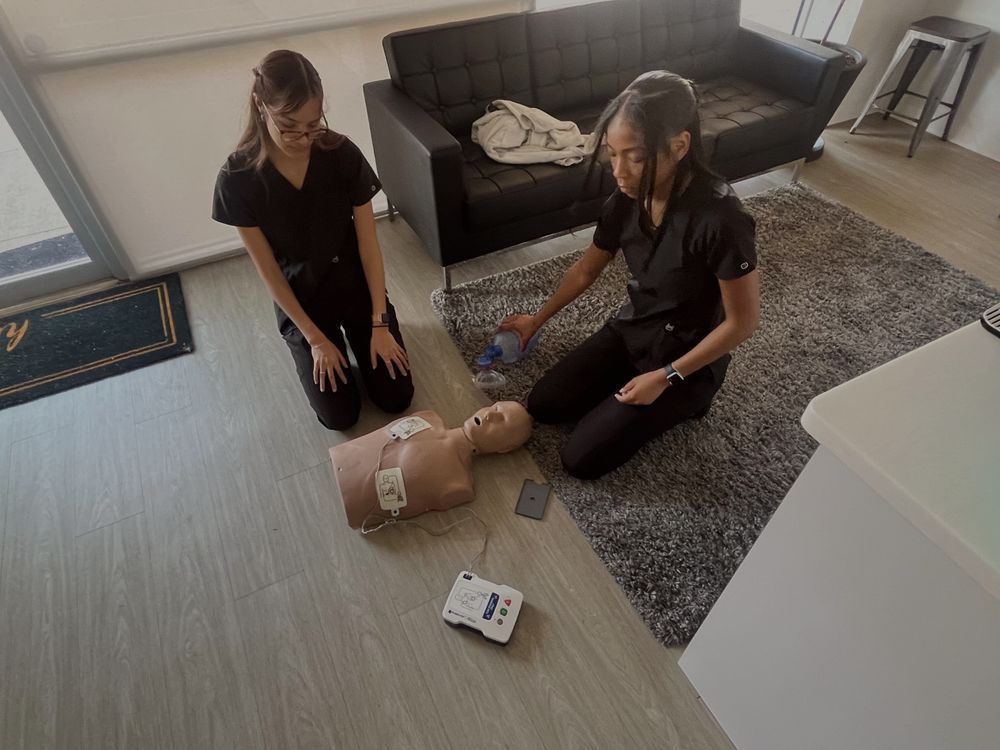
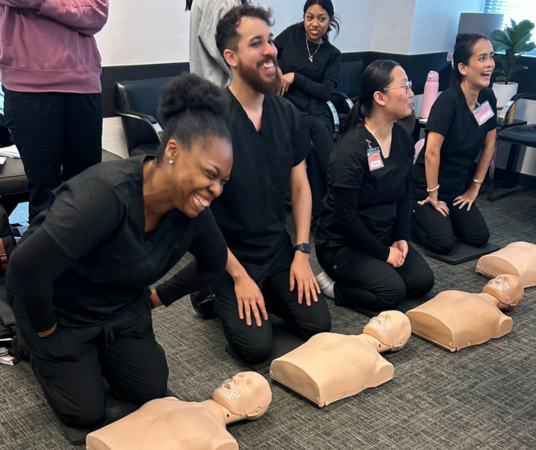
Complete In-Person Clinical Labs
Medical assisting is a hands-on career. Even if you choose an online-first program, in-person labs are essential for learning how to:
Give injections
Draw blood
Perform CLIA-waived tests
Prepare exam rooms
Conduct patient assessments
If a program does not offer live clinical skill training, it won’t prepare you for the job or the exam.
Take a National Certification Exam
After finishing your training, you can choose from several recognized credentialing exams. Each one includes questions on clinical skills, administrative responsibilities, laws, ethics, and patient communication.
Maintain Your Credential
Certification must be renewed every few years. This typically requires a small fee and continuing education hours, ensuring you stay current with best practices in healthcare.
Certification must be renewed every few years. This typically requires a small fee and continuing education hours, ensuring you stay current with best practices in healthcare.
What Happens If You Choose Not to Get Certified?
What Happens If You Choose Not to Get Certified?
You can still work as a medical assistant without a credential in many states, but you will likely face certain limitations.
You can still work as a medical assistant without a credential in many states, but you will likely face certain limitations.
Fewer Job Opportunities
Some employers only hire certified medical assistants. Choosing not to certify can eliminate higher-paying roles, hospital positions, and specialty opportunities.
Lower Starting Pay
Uncertified MAs often start at a lower wage because employers invest more time and resources into training them.
Limited Clinical Responsibilities
You might be restricted from tasks such as:
Administering injections
Assisting with minor surgeries
Performing diagnostic tests
Handling certain lab procedures
Certification expands what you’re allowed—and trusted—to do.
Reduced Career Growth Over Time
Reduced Career Growth Over Time Advancement into lead roles, specialty clinics, and supervisory positions is much harder without a credential.
If you want long-term stability and professional mobility, certification remains the smarter choice.
Is Certification Worth It? Absolutely—Here’s Why
Even though it may not be legally required, certification offers clear advantages that impact your entire career. It helps you:
Stand out during hiring
Earn higher pay
Qualify for more roles
Perform advanced clinical tasks
Gain confidence with patients
Build a long-term healthcare career
The healthcare industry is moving increasingly toward standardization and credentialing. Getting certified now positions you for the future—even if your state doesn’t require it today.
The healthcare industry is moving increasingly toward standardization and credentialing. Getting certified now positions you for the future—even if your state doesn’t require it today.
Find a Career in Healthcare
Find a Career in Healthcare You do not always need to be registered or certified to work as a medical assistant. However, earning a nationally recognized credential is one of the best decisions you can make for your healthcare career. Certification proves your skills, increases your job opportunities, and helps you provide safe, reliable, and compassionate care.
If you want the fastest path to becoming a successful, confident medical assistant, start with a program that prepares you not just to complete training—but to thrive in the field.
CTA
Pulse Medical Assistant School is an online-first, 16-week medical assistant program with intensive, in-person labs that give aspiring medical assistants the confidence to help real patients receive real care. If you’re ready to begin a high-demand healthcare career, Pulse gives you the training, support, and hands-on skills to get there.
You're only a few months from the medical assistant career you deserve.