Everything You Need to Know About Externship Hours for Certification
Everything You Need to Know About Externship Hours for Certification
Starting a career in medical assisting is an exciting step toward joining the healthcare workforce—and one of the most important parts of your training is the externship. Externship hours give future medical assistants hands-on experience in real clinical settings, allowing them to build confidence, practice essential skills, and meet certification requirements. While classroom learning gives you the theory and the foundation, externships give you the opportunity to see what patient care looks like in real time.
Certification bodies and medical assistant training programs often require specific externship hours to qualify for exams or complete coursework. These requirements ensure that new medical assistants enter the field with practical, verifiable experience. But externships also serve a much bigger purpose: they connect you with potential employers, help you understand workflows and expectations, and prepare you for the fast-paced nature of today’s healthcare environment. Below, you’ll learn everything you need to know about externship hours for certification—from how many hours you might need to what you’ll actually do each day.
Externship Hours Are Required to Ensure Clinical Readiness
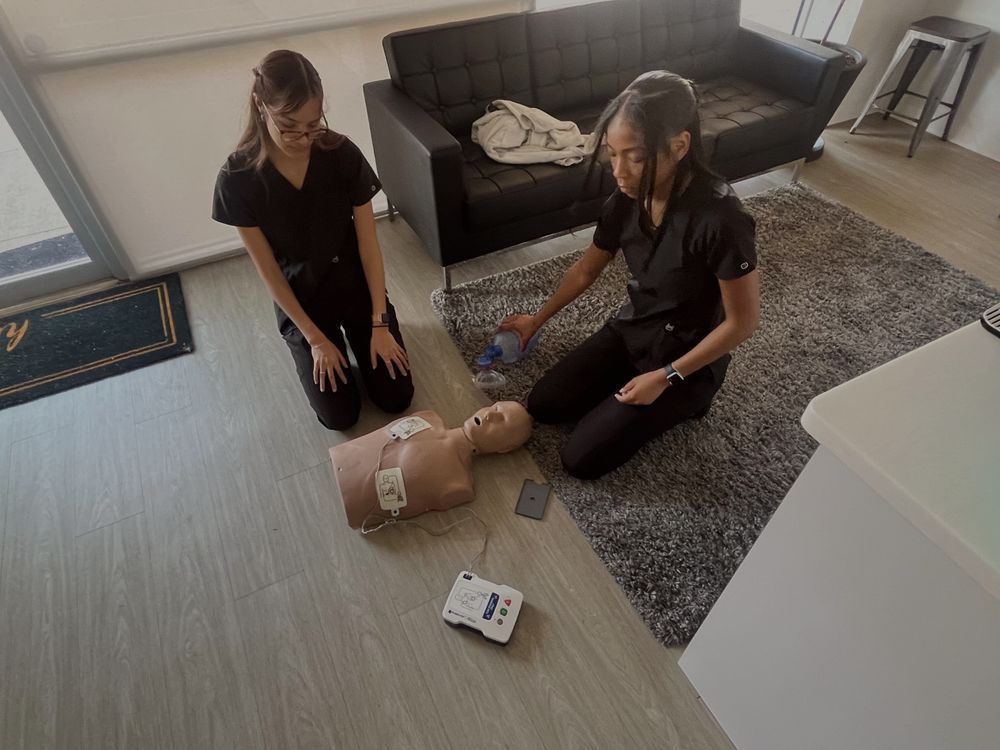
Externship hours aren’t just a formality. Certification agencies and training programs use them to verify that students have received hands-on clinical experience before they begin working with patients independently. While didactic coursework teaches you the “what” and “why” behind medical assisting, externships teach you the “how.”
Many certification exams—including the CMA (AAMA) and RMA (AMT)—require applicants to complete an accredited program that includes supervised clinical experience. These requirements exist because the medical assistant role blends administrative and clinical duties, and students need real-world practice to develop both skill sets. Externship hours ensure that future MAs are prepared to handle common clinical responsibilities such as vital signs, patient intake, injections, EHR documentation, and more.
Externships also serve as a confidence-builder. For many students, it is the first time working directly with patients. Supervised practice allows you to build comfort with people of all ages, backgrounds, and medical needs while learning how to communicate professionally and compassionately. By the time you complete your hours, you’re equipped to step into an entry-level MA role with competence and confidence.
The Number of Hours Required Can Vary by Program and Certification
Not all programs require the same externship length. Depending on your training provider, accrediting body, and certification exam pathway, you may be asked to complete anywhere from 120 to 200+ hours of supervised clinical experience. Some programs may even place students in multiple clinical settings to broaden their exposure.
For example, an accredited medical assistant program typically includes a structured clinical component to comply with industry standards. These standards often require enough hours for students to demonstrate competency across a range of skills—lab procedures, point-of-care testing, basic patient care, and administrative tasks. If you’re pursuing a certification that mandates completion of an accredited program, then your externship hours will be built into the curriculum.
While the exact number can fluctuate, the important thing to remember is that these hours are meant to support your growth—not delay your certification. Even if completing 160 or 200 hours may feel like a lot, each shift helps you become more fluent in clinical workflows and more prepared for certification exams that test real-world applications of your training.
You’ll Practice a Wide Range of Clinical and Administrative Skills During Your Externship
Externships are designed to give you exposure to the daily responsibilities of a working medical assistant. During this supervised experience, you’ll apply everything you’ve learned in your coursework—and discover what your day-to-day job might look like.
Typical externship tasks may include:
Taking and charting vital signs
Rooming patients
Performing EKGs
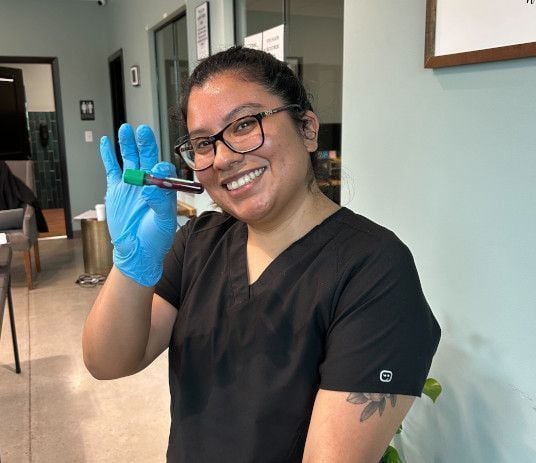
Conducting basic lab tests
Administering injections (with supervision and according to state regulations)
Sterilizing instruments
Scheduling appointments
Managing patient records
Using EHR software
Communicating with patients and providers
Externships often rotate students through multiple areas of the clinic to build a well-rounded skill set. You may spend time in the front office, clinical rooms, labs, or specialty areas depending on the site. This variety ensures you’re not only meeting your certification requirements but also learning what areas of healthcare interest you most.
Another major benefit is that an externship helps you practice soft skills—professionalism, time management, communication, teamwork, and adaptability. Employers place enormous value on these non-technical skills because they directly impact patient care and clinic efficiency. Externship hours give you a safe place to practice and refine them before stepping into a full-time role.
Externships Often Lead to Job Offers and Valuable Networking Opportunities
One of the biggest advantages of completing externship hours is the networking potential. Many students don’t realize that their externship site serves as a live, extended job interview. The clinic gets to see your work ethic, reliability, communication skills, and attention to detail in real time. If they are hiring, they often prefer to bring on students who have already trained in their facility.
Even if your site isn’t hiring, externships help you build relationships with healthcare professionals across multiple departments. Providers, clinic managers, nurses, and other medical assistants can all serve as references or recommend you for open positions in their networks. It’s not unusual for MA graduates to secure interviews at partner clinics, hospital systems, or specialty practices simply because someone they worked with during their externship passed along their name.
If you show up on time, take initiative, ask questions, and demonstrate a willingness to learn, you can leave a strong impression that opens doors once your certification is complete. Many employers view externship hours as an ideal trial period for hiring new staff, making it one of the most direct pathways from training to employment.
Your Externship Experience Helps You Prepare for Certification Exams
Externships don’t just boost your resume—they also prepare you for the certification exam itself. Most medical assistant exams include questions about real-world clinical scenarios, workflow processes, infection control procedures, and patient communication strategies. Completing your externship gives you firsthand experience with these tasks, making it easier to understand and answer exam questions accurately.
Students who complete externship hours often report feeling more prepared for both the clinical and administrative portions of the exam. Tasks like taking vital signs, using EHR systems, performing lab tests, and documenting patient encounters become second nature after repeated practice. This hands-on experience reinforces what you’ve learned in class and helps you retain information more effectively.
Additionally, externships expose you to state and organizational protocols. This real-world structure helps you understand best practices in patient safety, HIPAA compliance, clinical documentation, and communication—all of which are common components of certification exams.
Finally, the confidence gained during an externship reduces test anxiety. When you’ve practiced these skills repeatedly in a real clinical setting, the exam feels less intimidating because you’re drawing from experience rather than memory alone.
Why Externship Hours Matter for Your Future in Healthcare
Why Externship Hours Matter for Your Future in Healthcare Externship hours are more than a requirement—they’re an essential bridge between classroom learning and real-world patient care. They give you the chance to practice critical skills, build confidence, explore healthcare settings, and network with potential employers. They also serve as an invaluable preparation step for certification exams and help you transition into the workforce with ease.
Whether you’re pursuing certification or simply want to become the strongest medical assistant you can be, your externship is a key part of your training journey. It’s where theory becomes practice, where questions become skills, and where students become confident future healthcare professionals.
Launch Your Career with an Externship-Ready Medical Assistant Program
Launch Your Career with an Externship-Ready Medical Assistant Program If you’re ready to start a medical assistant career with the hands-on experience employers look for, Pulse Medical Assistant School offers a flexible, online-first, 16-week program designed for aspiring MAs who want real skills and real confidence. With intensive, in-person labs and a curriculum built around real healthcare workflows, Pulse prepares you for certification and helps you feel fully ready to support patient care from day one.
Externships give you the opportunity to apply your training in a real clinical environment—and Pulse gives you the foundation to succeed when you get there.
You're only a few months from the medical assistant career you deserve.