Exploring Medical Assistant Job Roles in Correctional Healthcare Facilities
Exploring Medical Assistant Job Roles in Correctional Healthcare Facilities
Correctional healthcare is a unique and essential part of the medical landscape—one that requires skilled professionals who can provide high-quality care in an environment unlike any traditional clinic or hospital. Medical assistants play a critical role in maintaining the physical and mental well-being of incarcerated individuals, ensuring that patients receive consistent, compassionate care regardless of their circumstances. For many aspiring or current medical assistants, correctional healthcare offers a meaningful opportunity to support an underserved population while developing advanced clinical skills, adaptability, and confidence in a highly structured setting.
Working in a correctional facility requires professionalism, strong communication, and the ability to work seamlessly with interdisciplinary teams. It also exposes medical assistants to a wide variety of cases, from chronic disease management to emergency response. Because of this broad scope, correctional healthcare has become a rewarding and impactful pathway for MAs who want to make a difference while expanding their clinical capabilities. Below, we explore five essential medical assistant job roles within correctional healthcare—and why they matter.
Patient Intake & Initial Health Assessments
One of the primary responsibilities of medical assistants in correctional healthcare is conducting patient intake assessments. Every new inmate entering a correctional facility must go through a mandatory health screening to identify medical needs, chronic conditions, mental health concerns, and potential risks. Medical assistants are often the first clinical team members to meet these individuals, making their role essential for accurate documentation and early detection.
During intake, medical assistants collect vital signs, review medical histories, update medication lists, and record any injuries or urgent concerns. This process helps the healthcare team establish a baseline for each new arrival and determines whether immediate treatment or follow-up care is necessary. Their thoroughness ensures no patient is overlooked and that care plans can be created or updated quickly.
Medical assistants must also practice strong observational skills during intake. In correctional environments, patients may hesitate to share details about their health due to fear, mistrust, or unfamiliarity with the system. MAs help create a calm, professional atmosphere that encourages honesty and comfort. Their ability to assess both verbal and nonverbal cues greatly contributes to effective patient care from day one.
Chronic Disease Management and Ongoing Clinical Support
Many individuals in correctional facilities live with chronic health conditions such as diabetes, hypertension, asthma, and cardiovascular disease. Medical assistants are vital in supporting ongoing management for these patients by performing routine monitoring, preparing exam rooms, documenting progress, and coordinating with nurses and providers to ensure treatment plans are followed.
In daily operations, MAs may check blood pressure, conduct glucose testing, manage peak flow readings, or assist with medication distribution. Because correctional settings often run on tight schedules, organization and consistency are crucial. Medical assistants help maintain structured workflows so each patient receives timely care.
Their collaboration with medical providers also plays a key role in identifying changes in a patient’s condition. For example, if a diabetic patient presents with unusual symptoms or unstable readings, an MA’s quick documentation and communication can alert the care team to address the issue before it escalates. This proactive support helps keep chronic conditions stable and reduces emergency incidents within the facility.
Additionally, correctional healthcare tends to emphasize preventive education. Medical assistants may teach patients about managing their conditions, understanding their medications, and recognizing symptoms that require medical help. This patient-centered education fosters long-term wellness, even after release.
Supporting Mental and Behavioral Health Services
Mental health needs are especially prevalent in correctional populations, and medical assistants in these environments frequently support mental and behavioral health providers. Their role includes assisting with screenings, preparing documentation for psychiatric evaluations, coordinating patient schedules, and helping track treatment progress.
MAs may administer standardized mental health questionnaires or help patients articulate symptoms they might not know how to express. They also ensure that mental health providers receive accurate and complete information, which is essential for proper diagnosis and treatment.
In correctional settings, mental health care is integrated closely with safety protocols. Medical assistants often act as communication bridges between healthcare teams and correctional officers, ensuring that patients experiencing mental health crises are supported appropriately. Their attention to detail helps identify signs of self-harm, withdrawal symptoms, or severe psychological distress.
Beyond clinical tasks, medical assistants contribute to building trust between patients and the healthcare team. Calm communication, empathy, and professionalism help patients feel heard—an important factor in settings where emotional vulnerability can be difficult. By supporting mental health initiatives, MAs help improve overall well-being and reduce risks within the facility.
Assisting with Emergency and Acute Care Situations
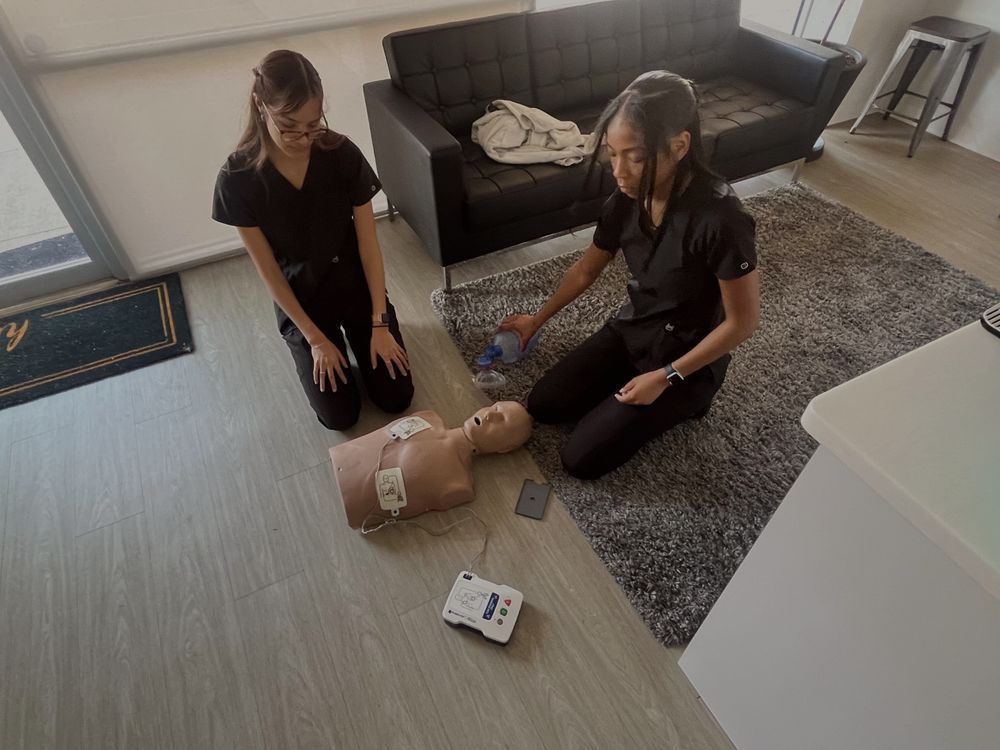
Medical emergencies in correctional facilities can arise at any time and often require rapid response. Medical assistants play a foundational role in supporting emergency care, whether responding alongside nurses and physicians, preparing equipment, or helping stabilize patients until additional support arrives.
Common emergency scenarios in correctional healthcare may include chest pain, diabetic crises, asthma attacks, injuries resulting from altercations, or medication reactions. Medical assistants help measure vital signs, prepare injection materials, assist with wound care, collect lab specimens, and gather patient information needed for immediate medical decisions.
Because correctional facilities are secure environments, emergency response requires clear communication and coordination with correctional staff. Medical assistants must stay composed under pressure and follow structured protocols to ensure that patients receive appropriate care while maintaining safety standards.
Being part of a correctional emergency response team is an opportunity for medical assistants to sharpen critical-thinking skills and gain experience that translates to nearly any healthcare setting. Their contributions directly impact patient outcomes and help maintain a safe, responsive healthcare environment.
Administrative Coordination and Medical Documentation
While hands-on care is a central part of a medical assistant’s work, administrative responsibilities are equally important in correctional healthcare facilities. Accurate documentation ensures continuity of care, legal compliance, and proper communication between healthcare providers, administrators, and correctional staff.
Medical assistants in correctional settings manage tasks such as:
Medical assistants in correctional settings manage tasks such as: Updating patient medical records
Coordinating appointment schedules
Organizing lab results and imaging orders
Preparing charts for provider review
Preparing charts for provider review
Assisting with pharmacy coordination
Tracking medication compliance
Because incarcerated individuals often have limited autonomy over their healthcare interactions, MAs must be precise and organized. Their documentation helps ensure that treatment plans are consistent and that no detail is missed, especially when patients are transferred between units or facilities.
Administrative coordination in correctional healthcare also involves understanding privacy regulations like HIPAA within a secure environment. MAs must carefully balance confidentiality with safety protocols, ensuring that patient information is protected appropriately while still collaborating effectively with correctional staff.
Strong administrative performance keeps the healthcare department running smoothly, supports compliance with state and federal standards, and ensures patients receive the right care at the right time.
A Unique and Rewarding Career Path for Medical Assistants
A Unique and Rewarding Career Path for Medical Assistants Medical assistants working in correctional healthcare facilities hold multifaceted roles that combine clinical skills, communication, professionalism, and adaptability. They participate in intake assessments, support chronic disease management, assist with mental health services, respond to emergencies, and oversee essential administrative functions. Their contributions not only improve patient health but also support safety, order, and wellness within the facility as a whole.
For medical assistants seeking meaningful work that supports vulnerable populations and offers strong career development, correctional healthcare is a powerful path. The experience gained in this environment—ranging from patient care to crisis response—can open doors to numerous future opportunities in clinics, hospitals, specialty practices, and public health organizations.
Start Your Medical Assistant Career with Confidence
Start Your Medical Assistant Career with Confidence If you’re inspired to pursue a career that makes a measurable difference in people’s lives, Pulse Medical Assistant School can help you get there. Pulse is an online-first, 16-week medical assistant training program that blends flexible virtual coursework with intensive, in-person labs. These hands-on labs give aspiring medical assistants real-world practice, building the skills and confidence needed to care for real patients in real healthcare settings—including correctional facilities. Begin your journey toward a meaningful, impact-driven medical assisting career with Pulse Medical Assistant School today.
You're only a few months from the medical assistant career you deserve.