Finding a Medical Assistant Externship_ Everything You Need to Know

Finding a Medical Assistant Externship: Everything You Need to Know
Starting a career as a medical assistant is exciting, and one of the most important steps in the journey is completing an externship. Externships give you the chance to step out of the virtual classroom and into a real clinic, doctor’s office, or hospital environment. You get to practice essential skills, meet healthcare professionals, observe how care teams operate, and build the confidence you need to succeed on day one of your first job.
Still, many aspiring medical assistants don’t know where to start when it comes to securing an externship. What should you look for? How does the placement process work? And how do you make the most of the experience once you’re there?
This guide covers everything you need to know about finding a medical assistant externship—from understanding how they work to choosing the right site and preparing for your first day.
What Is a Medical Assistant Externship?
What Is a Medical Assistant Externship? A medical assistant externship is a short-term, supervised experience in a real healthcare setting. During your externship, you shadow and assist experienced medical assistants, nurses, and providers while applying the clinical and administrative skills you’ve learned in training.
Externships typically last between 100 and 200 hours, depending on the school and program. They are usually completed at the end of your coursework so you can put your newly learned skills into practice. While the externship is unpaid, the real-world experience it provides is invaluable—and in many cases, students receive job offers from the sites where they extern.
Why Externships Matter
Why Externships Matter
For most employers, externship experience is just as important as certification. Healthcare is hands-on, fast-paced, and built on trust, and externships offer:
For most employers, externship experience is just as important as certification. Healthcare is hands-on, fast-paced, and built on trust, and externships offer: Practical skill application: You practice vitals, injections, patient intake, EHR use, scheduling, and more.
Exposure to real workflows: You learn how medical teams collaborate to support patients.
Professional networking: You meet providers and practice managers who often turn into references—or employers.
Confidence building: You step into your first job knowing how a clinic operates because you’ve already lived it.
In short, an externship is where your training transforms into real competency.
How Medical Assistant Externships Work
How Medical Assistant Externships Work Before you start searching for externship opportunities, it helps to understand how placement typically works.
School-Based Placement
Most reputable medical assistant programs—especially accelerated ones—coordinate externships for their students. This is the easiest and most reliable option because the school already has relationships with clinics and healthcare facilities willing to host students. The program handles the paperwork, the scheduling, the site agreements, and the verification of your hours.
Self-Directed Placement
Some programs allow or require students to seek their own externship sites. This gives you more control over where you train, but it also means you’ll need to:
Research local clinics, hospitals, and specialty practices
Contact office managers or directors
Provide documentation from your training program
Complete background checks or immunization paperwork
Schedule your hours and follow site rules
If you prefer more independence, this can be a great way to target your dream workplace or specialty.
Hybrid Placement Models
Some schools use a combined approach—offering placement support while also giving students the option to choose their own site. This offers the best of both worlds: structure plus flexibility.
Where You Can Complete a Medical Assistant Externship
Externships are available in a variety of healthcare settings. Where you train can influence the environment you’ll eventually work in, so it’s worth understanding your options.
Primary Care Practices
Many MA externships take place in family medicine or internal medicine clinics. These are excellent for students because the pace is steady, the patient population is diverse, and you get exposure to:
Vital signs
Rooming patients
Basic injections
Administrative tasks
Patient education
This is the most common externship experience—and the most transferable.
Specialty Clinics
If you have an interest in a certain area of medicine, you can often complete an externship in a specialty practice such as:
Pediatrics
Dermatology
OB/GYN
Orthopedics
Cardiology
Endocrinology
Women’s health
Gastroenterology
Specialty externships help you stand out to employers in that niche and allow you to build deeper skills in specific types of procedures.
Urgent Care
Urgent care clinics offer a fast-paced environment where you can practice:
Triage
EKGs
Clinical procedures
Patient intake during high-volume periods
If you want constant hands-on experience, urgent care placements are excellent.
Hospitals and Outpatient Centers
Some externships take place in hospital outpatient departments, surgical centers, or imaging centers. These are typically harder to secure but offer exceptional experience—especially if you’re interested in long-term advancement.
What to Look for in a Medical Assistant Externship Site
What to Look for in a Medical Assistant Externship Site Choosing the right externship can shape your entire career. Here’s what to consider when evaluating potential sites.
Strong Hands-On Training
Your externship should give you opportunities to do, not just observe. Look for a site that:
Allows students to practice skills under supervision
Has MAs or nurses willing to teach
Provides a mix of clinical and administrative experience
If the site rarely uses MAs or doesn’t allow students to assist, you won’t gain the confidence employers expect.
Supportive Preceptors
The professionals who supervise you matter just as much as the clinic itself. Helpful preceptors:
The professionals who supervise you matter just as much as the clinic itself. Helpful preceptors: Provide feedback
Answer questions
Explain workflows
Include you in daily tasks
A supportive mentor can turn an externship into a career development experience rather than a checklist of hours.
A Variety of Tasks
A strong externship should expose you to:
Vitals and patient intake
EHR documentation
Clinical procedures
Blood draws (if part of your program)
Scheduling and administrative tasks
Patient communication
This multi-angle experience is what prepares you for your first MA role.
A Professional and Welcoming Environment
A good externship should feel like a real workplace—not chaotic, disorganized, or unsafe. You deserve a site where the staff values students and includes them as future colleagues.
Potential Job Opportunities
Many clinics hire students who excel during their externship. Choosing a practice where you’d like to work increases the chances of receiving a job offer at the end.
How to Find a Medical Assistant Externship
How to Find a Medical Assistant Externship If your program doesn’t automatically provide placement—or if you want more control—these strategies can help you secure a great externship.
Start with Your Training Program
Ask your MA program whether they coordinate placement or maintain a list of approved sites. Even if you choose your own site, they can often help with documentation and outreach.
Contact Local Clinics Directly
Reach out to:
Family practices
Pediatric offices
Specialty clinics
Community health centers
Urgent cares
Ask whether they host MA students and what their requirements are.
Use Job Boards
Some clinics post externship opportunities on:
Indeed
ZipRecruiter
LinkedIn Hospital career portals
Search for terms like medical assistant extern, externship, or clinical trainee.
Network with Medical Assistants
Current MAs often know which clinics need extra help and which places offer great training. A quick conversation can lead to an opportunity.
Ask Friends and Family
If someone you know works in healthcare, they may be able to introduce you to an office manager or director.
Attend Healthcare Career Fairs
Many practices recruit externs alongside employees. Come prepared with:
A simple resume
A copy of your program enrollment letter
Proof of vaccinations, if required
Professionalism goes a long way.
How to Prepare for Your Medical Assistant Externship
How to Prepare for Your Medical Assistant Externship
Once you secure a site, preparation is key. This experience can shape your entire job search—so treat it like the beginning of your career.
Once you secure a site, preparation is key. This experience can shape your entire job search—so treat it like the beginning of your career.
Review the Skills You’ve Learned
Refresh your knowledge of:
Blood pressure techniques
EHR documentation
HIPAA compliance
Injections (if covered)
Medical terminology
This helps you start strong on day one.
Complete All Required Paperwork
Most sites require:
Background checks
Immunization records
TB tests
CPR certifications
School approval forms
Submit these quickly so there’s no delay.
Dress Professionally
Wear clean, professional scrubs, closed-toe shoes, and minimal jewelry. If the site has a dress code, follow it exactly.
Bring a Positive Attitude
Externships are a chance to learn, so show up ready to:
Ask questions
Accept feedback
Volunteer to help
Take notes
A good attitude is often remembered more than perfect technique.
What to Expect During Your Externship
What to Expect During Your Externship Your externship will introduce you to the daily experiences of a medical assistant. Expect to:
Work Closely with Patients
You’ll help with:
Rooming patients
Taking vitals
Documenting symptoms
Preparing patients for providers
Preparing patients for providers This is the heart of the MA role.
Support Providers and Nurses
You might assist with:
Procedures
Chart prep
Equipment sterilization
Patient communication
These small tasks help clinics run smoothly.
Learn the Clinic’s Workflow
Every practice has its own:
EHR system
Scheduling rules
Patient flow
Communication style
Externships teach you how to adapt to different environments—an essential skill.
Build Real Workplace Confidence
By the end of your hours, you should feel comfortable:
Communicating with patients
Supporting healthcare teams
Handling the pace of real clinics
Applying your skills independently
This confidence makes you job-ready.
This confidence makes you job-ready.
How to Make the Most of Your Externship Experience
How to Make the Most of Your Externship Experience An externship can open the door to employment—but only if you approach it strategically.
Treat It Like a Job Interview
Arrive early. Stay off your phone. Say yes when help is needed. Clinics often hire students who show initiative.
Ask Questions (At the Right Time)
If you’re curious about a procedure or workflow, ask respectfully when staff aren’t with patients.
Ask for Feedback Frequently
Check in with your preceptor about:
What you’re doing well
What you’re doing well
What you need to improve
What you need to improve
Skills you can practice
Skills you can practice This shows you’re committed to growth.
Keep a Skills Journal
Document the skills you perform, procedures you observe, and tasks you learn. This becomes a powerful resource when preparing resumes and interviews.
Build Relationships
Be kind to everyone—from nurses to receptionists. These professionals often advocate for student hires.
What Happens After Your Externship?
What Happens After Your Externship? After you complete your hours, your program will verify your experience. This is also a great time to:
Ask your preceptor for a reference
Update your resume
Apply for MA jobs
Prepare for your certification exam
Many students receive a job offer from their externship site—but even if you don’t, the experience makes you far more competitive.
Many students receive a job offer from their externship site—but even if you don’t, the experience makes you far more competitive.
Ready to Start Your Medical Assistant Career?
Ready to Start Your Medical Assistant Career? If you’re excited to begin your externship journey, choosing the right training program is essential—especially one that prepares you with real-world skills and hands-on practice before you ever set foot in a clinic.
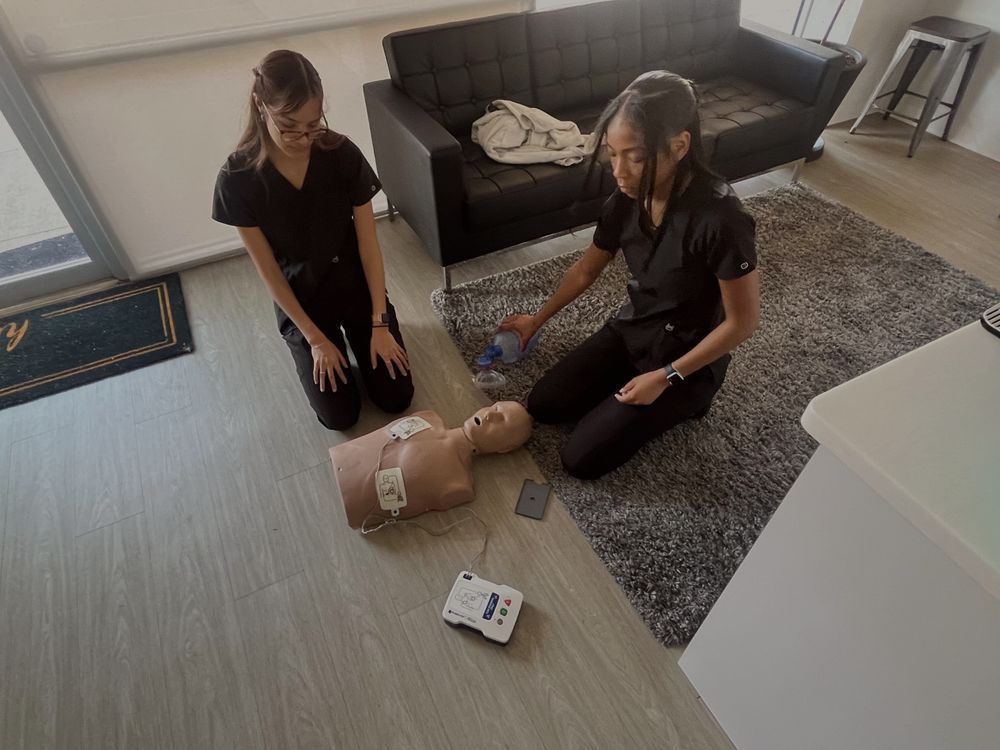
Pulse Medical Assistant School is an online-first, 16-week medical assistant program with intensive, in-person labs that give aspiring MAs the confidence to help real patients receive real care. With flexible learning, hands-on experience, and externship preparation built in, Pulse helps learners fast-track their path into a meaningful healthcare career.
If you’re ready to begin your journey, Pulse is ready to help you take the next step.
You're only a few months from the medical assistant career you deserve.