Helping Patients with Disabilities_ MA Tips & Best Practices

Helping Patients with Disabilities: MA Tips & Best Practices
Medical assistants play a critical role in creating healthcare environments that are accessible, respectful, and effective for all patients. For individuals with disabilities—whether physical, sensory, cognitive, or developmental—the quality of their healthcare experience often depends on how well frontline professionals understand their needs and adapt care accordingly. Medical assistants are frequently the first and last point of contact during an appointment, making their approach especially influential in shaping patient trust, comfort, and outcomes.
Providing care for patients with disabilities is not about making assumptions or applying a one-size-fits-all solution. It requires awareness, flexibility, clear communication, and a commitment to dignity. From assisting with mobility and communication to supporting independence and privacy, medical assistants must balance clinical efficiency with compassion. The following five best practices outline how medical assistants can effectively support patients with disabilities while delivering safe, patient-centered care.
Prioritize Respectful, Person-First Communication
One of the most important best practices when assisting patients with disabilities is using respectful, person-first communication. This means recognizing the individual before the disability and avoiding language that defines a patient solely by their condition. Address patients directly, speak in a natural tone, and avoid making assumptions about their abilities or limitations. For example, a patient using a wheelchair should be spoken to the same way as any other patient—without condescension or unnecessary simplification.
Medical assistants should also ask patients how they prefer to communicate or receive assistance rather than assuming what is needed. Some patients may want help transferring to an exam table, while others may prefer to manage independently. Asking simple, respectful questions such as, “How can I best assist you today?” empowers patients and helps build trust. Clear, direct communication ensures patients feel heard and respected, which is essential for accurate information gathering and effective care.
Ensure Physical Accessibility and Safe Assistance
Physical accessibility is a foundational element of quality care for patients with disabilities. Medical assistants should be familiar with the layout of their healthcare facility, including accessible entrances, exam rooms, restrooms, and equipment. Ensuring hallways are clear, doors are easy to open, and exam rooms can accommodate mobility devices helps prevent unnecessary stress or safety risks for patients.
When physical assistance is required, medical assistants must follow proper safety and transfer techniques to protect both the patient and themselves. This includes using gait belts, step stools, adjustable exam tables, or mechanical lifts when available. Importantly, medical assistants should never move or assist a patient without first explaining what they are doing and obtaining consent. Taking a few extra moments to ensure comfort and safety can significantly improve the patient experience while reducing the risk of injury.
Adapt Communication for Sensory and Cognitive Disabilities
Patients with sensory or cognitive disabilities may require modified communication approaches to fully understand their care. For patients with hearing impairments, medical assistants may need to face the patient while speaking, speak clearly without shouting, or use written instructions when appropriate. For patients who are visually impaired, explaining each step of a procedure verbally and offering to read forms aloud can help maintain independence and confidence.
Cognitive or developmental disabilities may require medical assistants to slow down, use simpler language, or repeat information to ensure understanding. Visual aids, step-by-step explanations, and confirmation questions can be helpful tools. Medical assistants should remain patient and attentive, recognizing that comprehension may vary from patient to patient. Adapting communication styles demonstrates respect and helps ensure that patients can actively participate in their care decisions.
Maintain Privacy, Dignity, and Patient Autonomy
Preserving privacy and dignity is especially important when assisting patients with disabilities, as they may require additional help with personal tasks such as changing clothes, positioning, or mobility. Medical assistants should always explain procedures beforehand, close doors or curtains, and limit exposure whenever possible. Even routine tasks should be handled with sensitivity to avoid making patients feel uncomfortable or vulnerable.
Patient autonomy should also be respected at every stage of care. This means involving patients in decisions, asking for consent before touching or assisting, and honoring their preferences whenever feasible. Some patients may have caregivers or support persons present, but medical assistants should still direct questions and explanations to the patient unless instructed otherwise. Upholding dignity and autonomy reinforces trust and ensures that patients feel valued as active participants in their healthcare.
Be Informed, Flexible, and Willing to Learn
Disabilities are diverse, and no medical assistant can be expected to know everything about every condition. However, a willingness to learn and adapt is essential. Medical assistants should take advantage of training opportunities, facility protocols, and continuing education related to disability awareness and inclusive care. Staying informed helps medical assistants respond appropriately to different needs while avoiding common misconceptions.
Flexibility is equally important in real-world clinical settings. Appointment times may need slight adjustments, instructions may need repetition, or workflows may need modification to accommodate a patient’s needs. Medical assistants who approach these situations with professionalism and empathy contribute to a more inclusive healthcare environment. Demonstrating openness, curiosity, and compassion not only improves patient outcomes but also strengthens the overall care team.
Preparing for Inclusive Care Starts with the Right Training
Preparing for Inclusive Care Starts with the Right Training Supporting patients with disabilities requires more than good intentions—it demands practical skills, hands-on experience, and confidence in real clinical situations. Medical assistants who receive comprehensive training are better equipped to adapt their care, communicate effectively, and advocate for patient needs across diverse healthcare settings.
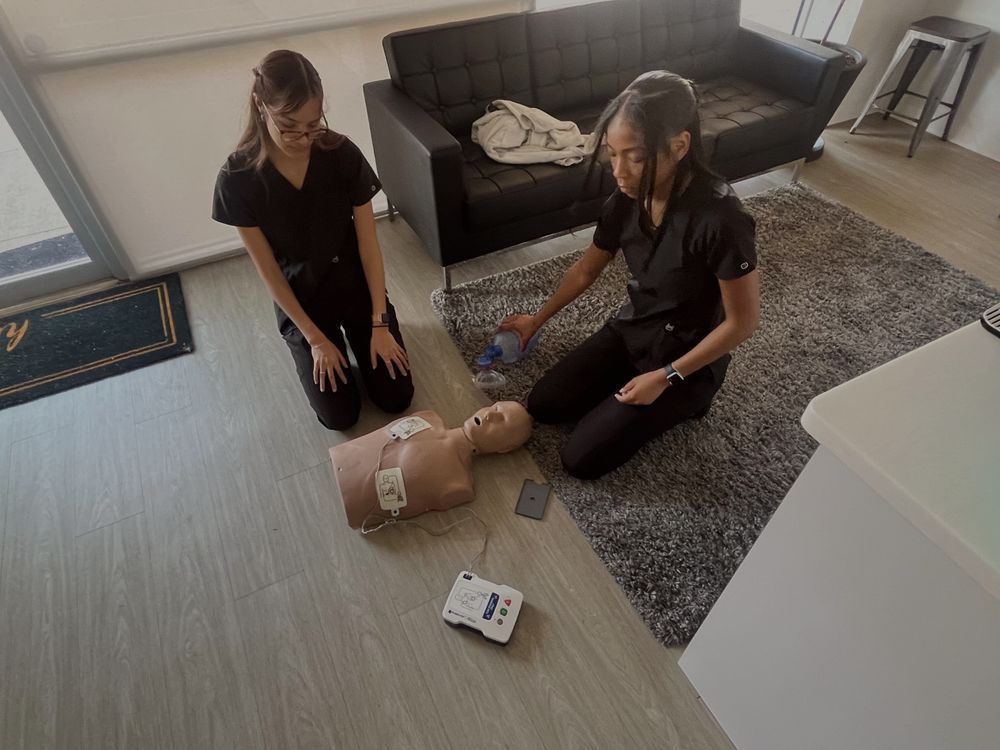
Pulse Medical Assistant School prepares aspiring medical assistants through an online-first, 16-week medical assistant program paired with intensive, in-person labs. This blended approach allows students to build strong foundational knowledge while practicing essential clinical skills in realistic environments. By focusing on patient-centered care and hands-on experience, Pulse Medical Assistant School helps future medical assistants gain the confidence they need to help real patients receive real care in today’s healthcare workforce.
You're only a few months from the medical assistant career you deserve.