How COVID-19 Changed the Role of Medical Assistants
How COVID-19 Changed the Role of Medical Assistants
The COVID-19 pandemic reshaped nearly every corner of the healthcare industry—and medical assistants (MAs) were among the professionals who experienced the most dramatic shifts. While their role has always blended clinical and administrative responsibilities, the crisis forced MAs to quickly adapt to new safety procedures, technology requirements, patient expectations, and workloads. Many of these changes didn’t fade when the pandemic eased; instead, they became lasting components of what it now means to work as a medical assistant.
Today’s medical assistants carry skills that would have seemed optional—or even uncommon—before 2020, from mastering rapid telehealth workflows to supporting high-volume vaccination clinics. Understanding how COVID-19 reshaped this role helps both current and aspiring MAs see why the profession has never been more essential or more dynamic. Below are five major ways the pandemic permanently changed what medical assistants do and how they support modern healthcare teams.
Increased Responsibility in Infection Control and Safety Protocols
Before COVID-19, infection control was a core part of MA training—but the pandemic elevated it to an entirely new level. Medical assistants became frontline defenders in preventing community spread inside clinics and outpatient facilities. They implemented evolving guidelines from the CDC, learned to explain new safety procedures to anxious patients, and maintained strict workflows that protected both clinical staff and the public.
Expanded PPE Management
MAs were suddenly responsible for managing and distributing personal protective equipment (PPE), ensuring correct usage, and often educating coworkers or patients on proper mask-wearing and hygiene practices. Clinics relied on medical assistants to anticipate shortages, restock supplies, and maintain clean, safe environments in every exam room.
Patient Screening Became a Daily Routine
Temperature checks, symptom questionnaires, and exposure screening became essential steps in the intake process. Even as risk levels decreased, many facilities kept these procedures to protect vulnerable patients. As a result, MAs today continue to play a prominent role in screening and risk assessment, using these skills to triage patients before they ever see a provider.
Enhanced Cleaning and Room Turnover Protocols
Disinfection procedures became far more rigorous. Medical assistants followed strict timing, cleaning, and linen-handling rules, often doubling or tripling the workload required to prepare rooms between patients. This emphasis on environmental safety is now a lasting standard across clinics.
Major Growth in Telehealth Support Responsibilities
Telehealth existed long before COVID-19, but the pandemic made it a primary mode of care almost overnight. Medical assistants became essential in helping clinics make a rapid, safe shift to virtual care—often with no prior experience or preparation. Today, telehealth remains a major part of outpatient medicine, and the skills MAs developed during the pandemic continue to be indispensable.
Technology Setup and Patient Assistance
MAs learned to:
Help patients log into telehealth platforms
Troubleshoot audio or video issues
Upload photos, vitals, or documentation
Prepare digital paperwork prior to appointments
This technical support ensured physicians could spend more time treating patients and less time managing software.
Pre-Visit Telehealth Triage
Intake didn’t disappear with virtual appointments—it simply moved online. Medical assistants became experts at gathering vital information remotely:
Medication lists
Allergies
Reason for visit
Symptoms and duration
Pharmacy preferences
These workflows are now standard. Many clinics have dedicated telehealth MAs who manage hybrid schedules across virtual and in-person care.
Managing Remote Monitoring Devices
During the height of the pandemic, patients often used at-home health tools such as digital thermometers, blood pressure cuffs, and pulse oximeters. MAs coached patients on proper use, documented readings, and escalated concerns when necessary—skills that continue to support chronic disease management today.
Expanded Clinical Responsibilities During Workforce Shortages
COVID-19 created extreme staffing shortages, and medical assistants often stepped up to fill gaps in patient care. In many settings, they were entrusted with more advanced clinical tasks under supervision, helping clinics stay afloat during high-volume surges.
Support for Testing and Vaccination Sites
One of the most visible changes was the role MAs played at testing and vaccination centers. They assisted with:
Nasal swab collection
Registration and data entry
Patient flow management
Observation post-vaccination
Recording vaccine lot numbers and documentation
These large-scale public health efforts depended on medical assistants’ ability to work quickly, accurately, and compassionately.
Broader Use of Clinical Skills
Under provider direction, many MAs expanded responsibilities such as:
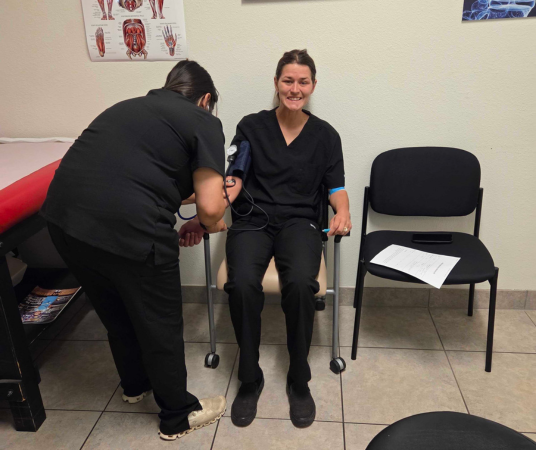
Obtaining vitals for infectious patients
Performing rapid tests
Preparing injections
Preparing injections
Completing documentation for high-volume care
While regulations vary by state, the pandemic demonstrated how crucial well-trained MAs are in increasing a clinic’s capacity and efficiency. Many employers realized that medical assistants can safely take on more responsibility—leading to permanent expansions in scope in some settings.
Strengthened Role in Patient Education and Emotional Support
COVID-19 brought fear, uncertainty, and rapid changes in healthcare guidance. Medical assistants found themselves offering far more emotional and educational support than ever before, becoming one of the most trusted touchpoints for patients navigating an unfamiliar healthcare landscape.
Helping Patients Understand Changing Guidelines
Masking requirements. Testing protocols. Quarantine timelines. Vaccine updates.
These details changed frequently—and medical assistants were often the first to explain new procedures. They helped patients understand what to expect during appointments, why safety measures mattered, and how to follow post-visit instructions.
Reducing Anxiety for Patients and Families
Patients arrived with heightened stress, whether they feared infection, faced financial hardship, or struggled with isolation. MAs often became a calming presence, using clear communication and empathy to:
Reassure nervous patients
Clarify confusing information
Help families understand care plans
This emotional intelligence remains a cornerstone of great medical assisting—and a skillset strengthened profoundly during the pandemic.
Promoting Vaccine Confidence
Many medical assistants were asked to answer common vaccine questions, address hesitations, and provide credible information. As trusted frontline workers, MAs often made the difference for patients who were undecided or anxious about vaccination.
Greater Involvement in Public Health and Data Reporting
COVID-19 highlighted how interconnected clinical care and public health truly are. Medical assistants became critical contributors to data collection, reporting, and community health efforts that extended far beyond traditional clinic operations.
Accurate Reporting for Testing and Vaccination
MAs collected and documented essential data that public health agencies relied on, such as:
Test results
Vaccine administration data
Adverse reaction reports
Demographic and exposure information
This data helped public agencies track outbreaks, allocate resources, and respond quickly to community needs.
Scheduling, Outreach, and Population Health Tasks
Medical assistants supported outreach efforts by contacting:
Medical assistants supported outreach efforts by contacting: High-risk patients
Individuals needing follow-up care
Patients due for testing or vaccination
These responsibilities continue today in population health and chronic disease management programs, which rely heavily on MA workflows developed during the pandemic.
Broader Awareness of Community Healthcare Needs
COVID-19 broadened MAs’ understanding of healthcare beyond single appointments. Many became deeply aware of social determinants of health—transportation issues, digital literacy barriers, caregiver responsibilities—and learned how these factors impact a patient’s ability to access care. This awareness continues to shape how MAs approach patient support and follow-up.
Launch Your Healthcare Career with Confidence
Launch Your Healthcare Career with Confidence COVID-19 permanently transformed the role of medical assistants. What once centered on traditional clinical and administrative tasks has grown into a multifaceted role that includes infection control, telehealth support, expanded clinical responsibilities, public health outreach, and patient education. These changes made medical assistants more essential than ever, and they elevated the profession’s visibility across the healthcare industry.
For aspiring medical assistants, this evolution is encouraging. It shows how valuable, adaptable, and trusted MAs are—and how much room there is for growth within the field. The skills developed during the pandemic will continue shaping the future of outpatient care for years to come.
If you’re ready to step into a modern medical assisting role with hands-on skills and real-world confidence, Pulse Medical Assistant School offers the training you need. As an online-first, 16-week medical assistant program with intensive, in-person labs, Pulse gives students the perfect blend of flexibility, clinical practice, and career-ready instruction. You’ll learn the exact skills today’s healthcare employers expect—so you can help real patients receive real care from day one.
You're only a few months from the medical assistant career you deserve.