How Long Does It Take to Become a Medical Assistant_
How Long Does It Take to Become a Medical Assistant?
Becoming a medical assistant is one of the fastest and most reliable ways to enter the healthcare field. With growing demand for skilled professionals, accessible training programs, and clear pathways to certification, many students are surprised to learn that becoming a medical assistant can take far less time than traditional college routes. Whether you’re looking for a career change, seeking a hands-on role in patient care, or exploring a reliable path into healthcare without a degree, the medical assistant profession offers flexibility, stability, and speed.
But how long does it actually take to become a medical assistant? The answer depends on your personal goals, the type of training program you choose, and whether you pursue certification. In this guide, we’ll break down exactly how long each step takes—from choosing a training program to earning your certification—so you know what to expect as you prepare for a career in healthcare.
Understanding the Medical Assistant Career Path
Understanding the Medical Assistant Career Path Before diving into the timeline, it’s important to understand what the journey actually looks like. Medical assistants perform a blend of clinical and administrative tasks that keep healthcare facilities running smoothly. That means students need training in both patient care skills and office procedures, plus real-world practice through labs and hands-on learning. Because of this, the length of your path depends on the training route you choose and whether you pursue certification.
On average, most people become medical assistants in 6–12 months, though many accelerated programs help you start working much faster. Let’s break down the path step by step so you can see where your timeline fits.
Researching the Medical Assistant Role: 1–4 Weeks
The first step doesn’t require formal training, but it does require clarity. Students typically spend between one and four weeks researching the medical assistant role, comparing career paths, and determining which type of training aligns with their goals.
During this stage, most aspiring medical assistants:
Look into job responsibilities (clinical, administrative, or hybrid)
Explore local job market demand
Compare salaries across states
Read reviews of training programs
Determine whether they want an online-first or in-person training model
This stage can be quick or thorough depending on your personal process, but it sets the foundation for choosing the right path.
Enrolling in a Medical Assistant Program: 1 Day to 2 Weeks
Once you’ve selected a program, enrollment is usually fast. Many medical assistant training programs let you:
Apply online
Submit basic documentation
Complete a short interview or admissions consultation
Enroll in the next available cohort
Most students complete this phase in a few days, especially if the program offers monthly or frequent start dates. Some schools may require academic transcripts or a background check, adding a few extra days to the process. Still, compared to degree-based programs that follow strict academic calendars, medical assistant programs offer much faster enrollment.
Completing a Medical Assistant Training Program: 4–9 Months
The time you spend in training has the biggest impact on how long it takes to become a medical assistant. Program lengths vary widely, but most fall into one of three categories:
The time you spend in training has the biggest impact on how long it takes to become a medical assistant. Program lengths vary widely, but most fall into one of three categories:
Accelerated Programs (12–20 Weeks)
These are designed for students who want to start working quickly without sacrificing skill development. Accelerated programs focus on essential patient care skills, medical terminology, anatomy, clinical procedures, and hands-on labs. Many include real-world practice so students gain confidence.
Typical length: 16 weeks, though some run slightly longer depending on scheduling and lab structures.
Standard Certificate Programs (6–9 Months)
These traditional, non-degree programs provide comprehensive medical assistant training with a slower pace. They’re ideal for students who want more spaced-out coursework or need schedules that fit around personal obligations.
Typical length: 24–36 weeks
Associate Degree Programs (18–24 Months)
Though not required to become a medical assistant, some students choose associate degree programs from community colleges. These include general education courses in addition to medical assistant training, making the program significantly longer.
Typical length: 2 years
Most employers do not require degrees for medical assistant roles, making accelerated or standard certificate programs the most common and time-efficient pathway for students entering the workforce.
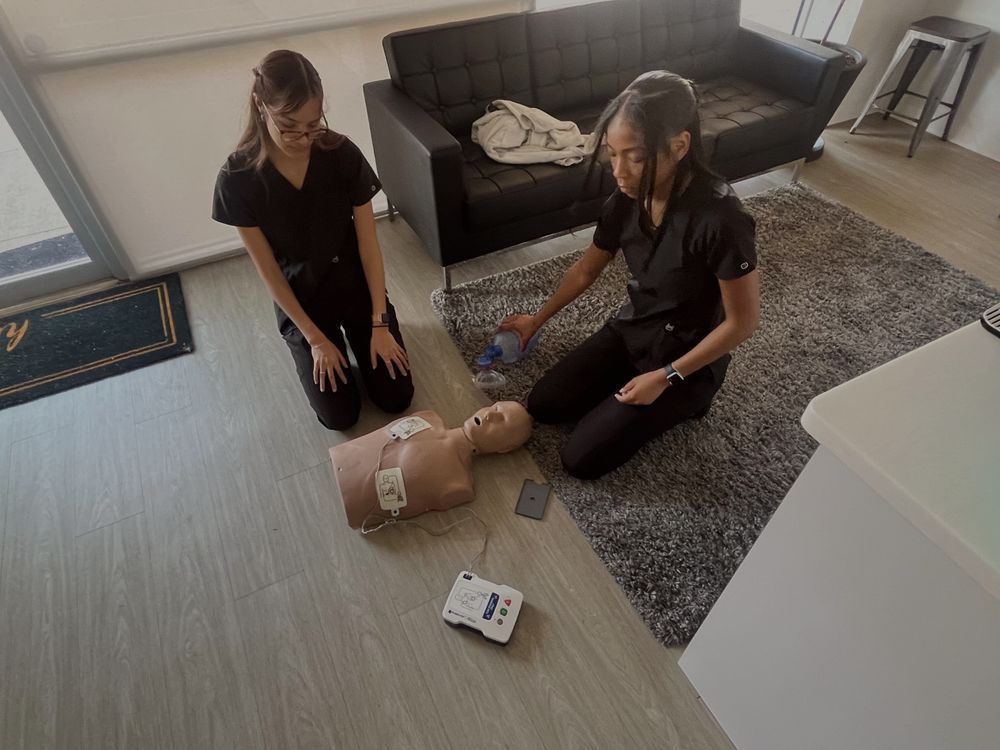
Completing Hands-On Labs or Clinical Experience: 1–4 Weeks
Most reputable medical assistant programs include hands-on labs or clinical training. This phase is essential because it provides real-world practice in:
Taking patient vital signs
Performing EKGs
Administering injections
Conducting phlebotomy
Assisting with examinations
Managing sterile fields
Practicing patient communication
Depending on the school, hands-on labs may take place throughout the program or in a concentrated block at the end. Clinical externships typically occur near the end of the program and may last 40–160 hours, depending on state guidelines and program structure.
This hands-on work is what transforms classroom knowledge into practical skill—and what helps graduates feel confident stepping into real patient care environments.
Preparing for Medical Assistant Certification: 2–6 Weeks
Certification isn’t required in all states, but it’s highly recommended. Employers overwhelmingly prefer certified medical assistants, and certification often leads to better job opportunities, higher pay, and quicker career advancement.
Common certifications include:
Common certifications include:
CCMA (Certified Clinical Medical Assistant)
CMA (Certified Medical Assistant)
RMA (Registered Medical Assistant)
NCMA (National Certified Medical Assistant)
Preparing for these exams typically takes between two and six weeks, depending on how much time you dedicate to study. Many training programs include built-in exam preparation, making this timeline even shorter.
Taking the Certification Exam: 1 Day + Waiting Period
The exam itself is completed in a single day, usually through a testing center or approved online format. After completing the exam, you may wait a few days to a few weeks for official results, depending on the certification organization.
Once certified, students can immediately begin applying for medical assistant positions.
Job Searching and Getting Hired: 2–12 Weeks
The final stage—job placement—varies depending on:
The final stage—job placement—varies depending on: Local market demand
The school’s job placement support
Your availability and flexibility
Whether you’re applying before or after graduation
Your professional readiness (resume, interview skills, certification status)
Many medical assistant programs partner with nearby clinics or healthcare networks, helping students secure employment quickly. Because medical assistants are in high demand nationwide, many graduates find roles within a few weeks of completing their program. Others may take up to three months, especially in more competitive markets.
Total Timeline: How Long Does It Really Take?
Here’s how the timelines stack up depending on the type of program you choose:
Fastest Path (Accelerated Program)
Total time: 4–6 months Includes: research, enrollment, 16-week program, labs, certification, and job search.
Moderate Path (Standard Certificate Program)
Total time: 6–12 months Includes: longer training, additional clinical work, exam prep, and job search.
Longest Path (Associate Degree)
Total time: 18–24 months Includes: general education coursework, healthcare classes, labs, certification, and job search.
For most students, the accelerated path is the ideal blend of speed and high-quality training—especially if the program is structured with both online learning and in-person labs for real-world experience.
Why Many Students Choose Accelerated Programs
Why Many Students Choose Accelerated Programs Accelerated medical assistant programs have become increasingly popular for several key reasons:
Faster Entry Into a High-Demand Field
Healthcare employers need skilled clinical support staff now more than ever. With an accelerated program, students can start working—and earning—much sooner.
Flexible, Online-First Learning Paths
Online-first programs offer the flexibility adults need, especially those balancing jobs, children, or other responsibilities. You can complete your coursework from anywhere while still getting hands-on experience through in-person labs.
Intensive, Skill-Focused Training
Accelerated programs prioritize job-ready skills instead of general education credits. Students learn exactly what medical employers expect: vital signs, injections, EKGs, phlebotomy, EMR systems, and patient-centered workflows.
Designed for Certification Success
Because certification boosts employability and earning potential, strong programs build certification preparation directly into the curriculum to help students pass confidently.
Lower Cost Compared to College Degrees
Two-year degrees can be expensive and unnecessary for this field. Accelerated programs deliver everything students need, without the cost or time commitment of a traditional college experience.
Is Becoming a Medical Assistant Worth the Time?
Absolutely. The time you invest in medical assistant training pays off quickly:
Medical assisting is one of the fastest-growing healthcare roles
Certification makes you highly competitive
Certification makes you highly competitive
The skills you learn create stepping stones into nursing, radiology, sonography, and other advanced careers
The skills you learn create stepping stones into nursing, radiology, sonography, and other advanced careers Many students secure their first healthcare job within months—a rare opportunity in today’s job market
If you’re looking for a career that offers stability, meaning, and rapid entry, the medical assisting pathway stands out as one of the most accessible options in healthcare.
If you’re looking for a career that offers stability, meaning, and rapid entry, the medical assisting pathway stands out as one of the most accessible options in healthcare.
Start Your Medical Assistant Journey with Confidence
Start Your Medical Assistant Journey with Confidence Becoming a medical assistant takes anywhere from 4 months to 2 years, depending on the path you choose. Most students take the accelerated route because it offers speed, flexibility, and the training needed to start helping real patients sooner.
If you’re ready to begin your journey, the right program can make all the difference—not just in how fast you graduate, but in how confident you feel stepping into your new role.
If you want the fastest, most effective path to becoming a medical assistant, Pulse Medical Assistant School is built for you. Pulse is an online-first, 16-week medical assistant program with intensive, in-person labs that give aspiring medical assistants the confidence to help real patients receive real care. With flexible scheduling, hands-on training, and preparation for certification, Pulse helps you start your healthcare career in just a few months.
Ready to take the first step? Your future in healthcare begins at Pulse.
You're only a few months from the medical assistant career you deserve.