How Medical Assistants Are Shaping Preventative Care
How Medical Assistants Are Shaping Preventative Care
Preventative care has quickly become one of the most important pillars in modern healthcare, especially as providers work to reduce long-term health risks and help patients live healthier, more informed lives. While physicians and nurses play essential roles in diagnosing and treating conditions, preventative healthcare depends heavily on consistent patient engagement, routine monitoring, and personalized education. That’s exactly where medical assistants (MAs) shine. Their daily interactions with patients and their understanding of both clinical and administrative workflows allow them to support preventative care in ways that no other healthcare role can replicate.
Over the last decade, medical assistants have stepped into expanded responsibilities that make preventative care more accessible, organized, and effective. From gathering vital health information to performing routine screenings to empowering patients with the knowledge they need to make healthier decisions, MAs are becoming key contributors to early detection and long-term wellness. Below, we explore five ways medical assistants are shaping the future of preventative care.
Performing Routine Screenings That Detect Health Issues Early
Routine screenings are the foundation of preventative medicine, and medical assistants are often the first team members patients interact with when they walk into a clinic. This initial interaction allows MAs to perform screening tasks that can reveal early warning signs of chronic conditions—long before they become serious health issues.
Medical assistants commonly measure vital signs such as blood pressure, heart rate, temperature, oxygen saturation, and respiratory rate. These numbers may seem simple on the surface, but they can reveal a lot about a patient’s current condition and future risk factors. For example, consistently elevated blood pressure might prompt a provider to screen a patient for hypertension or related cardiovascular issues. Catching these patterns early can prevent major complications later.
Beyond vitals, many MAs also perform routine clinical tasks that support early detection, such as vision screenings, hearing checks, height and weight measurements, and blood glucose tests. In many offices, MAs assist with collecting lab specimens, which can help diagnose potential issues ranging from anemia to prediabetes. Because they conduct these screenings regularly, medical assistants are in an excellent position to notice subtle changes over time—and to communicate these changes to the provider.
Their ability to spot trends and ensure accurate, consistent data collection helps providers make informed decisions that directly support preventative care strategies.
Educating Patients About Healthy Habits and Lifestyle Choices
Preventative care is not just about screenings—it also relies on helping patients understand how daily choices influence long-term health. Medical assistants play a major role in bridging that gap between clinical recommendations and everyday life.
Many patients feel more comfortable asking questions or discussing personal concerns with their MA than with a doctor, simply because MAs spend more time with them and may feel more approachable. This trust creates natural opportunities for medical assistants to educate patients about nutrition, exercise, medication adherence, smoking cessation, stress management, and more.
Medical assistants may explain:
Medical assistants may explain:
Why routine screenings matter
Why routine screenings matter
How certain habits influence chronic illness
How certain habits influence chronic illness
What warning signs patients should look for
What warning signs patients should look for
How to follow post-visit or at-home care instructions
How to follow post-visit or at-home care instructions
How to use medical devices such as glucose monitors or blood pressure cuffs
How to use medical devices such as glucose monitors or blood pressure cuffs Patient education is one of the most valuable parts of preventative care, but it’s also one of the most time-consuming. Providers often rely on MAs to reinforce this information in a more personal, one-on-one setting before or after an appointment. By making complex medical topics easier to understand, MAs help patients feel more confident in managing their health.
Even small changes—like helping a patient understand how diet affects blood sugar—can make a huge difference in long-term outcomes. Education is empowerment, and MAs are uniquely positioned to deliver it.
Supporting Immunization Programs That Keep Communities Healthy
Vaccinations are one of the most effective tools in preventative medicine. They protect individuals from diseases and help reduce large-scale outbreaks in entire communities. Medical assistants are often responsible for helping clinics run efficient, organized immunization programs—and that impact cannot be overstated.
Medical assistants play several roles in immunization efforts:
Medical assistants play several roles in immunization efforts:
Reviewing and updating patient immunization histories
Preparing patients for vaccines and explaining possible side effects
Preparing patients for vaccines and explaining possible side effects
Administering vaccinations in many states
Maintaining accurate vaccine records
Ensuring proper storage and handling of vaccines
Scheduling follow-up doses and booster appointments
During flu season or in public health initiatives (such as COVID-19 vaccine rollouts), MAs are essential in helping clinics increase capacity and serve more patients safely. Their ability to manage high patient volume while maintaining accuracy helps reduce preventable illnesses and keeps communities healthier.
Because vaccines are foundational to preventative care, the role of medical assistants in this area will only continue to grow. Many states and employers now seek MAs with vaccine training because it expands the clinic’s ability to serve more patients effectively.
Ensuring Preventative Care Compliance Through Accurate Records and Follow-Ups
Preventative care doesn’t end when the appointment is over. To truly close the loop on preventive health, clinics need reliable follow-up processes, accurate documentation, and consistent communication with patients. Medical assistants play a significant role in all these behind-the-scenes tasks.
MAs manage key responsibilities such as:
Updating electronic health records (EHRs) with screening results
Flagging overdue preventative procedures such as mammograms, colonoscopies, or annual exams
Coordinating appointments and referrals for preventative services
Sending reminders for follow-up visits or vaccinations
Tracking patient progress over time
Good record-keeping is the backbone of effective preventative care. If a patient is overdue for a screening or needs follow-up bloodwork, the medical assistant is usually the first to notice and the one to initiate action.
Additionally, many practices use EHR-based checklists and alerts to manage preventative care compliance—systems that medical assistants help maintain and monitor daily. Their attention to detail ensures that patients receive timely, appropriate care that prevents diseases rather than simply reacting to them.
This level of support increases clinic efficiency, reduces medical errors, and ensures that patients don’t fall through the cracks.
Helping Patients Navigate Preventative Care Resources and Community Programs
Preventative care often extends beyond the walls of the clinic. Many patients need help accessing affordable screenings, nutrition programs, mental health services, fitness resources, or smoking-cessation support. Medical assistants frequently act as the connective tissue between patients and these community-based resources.
For example, an MA might:
For example, an MA might:
Provide information about free or low-cost health screenings
Help patients enroll in chronic disease prevention programs
Offer guidance on community fitness or nutrition classes
Refer patients to counseling, substance-abuse programs, or stress-reduction resources
Connect uninsured or underinsured patients with assistance programs
These efforts are especially impactful in underserved communities, where patients may face financial, transportation, or language barriers. Medical assistants help remove these obstacles by offering clear instructions, printed materials, follow-up calls, and hands-on support.
Because MAs often come from the communities they serve, they understand the challenges many patients face and can offer practical, culturally sensitive guidance. This relatability makes preventative care more accessible and more likely to be followed.
By connecting patients with resources that support long-term wellness, medical assistants strengthen the overall health of entire communities.
Why Medical Assistants Are Essential to the Future of Preventative Care
Why Medical Assistants Are Essential to the Future of Preventative Care Preventative care continues to evolve, especially as healthcare systems shift from reactive models to proactive, patient-centered ones. Medical assistants are becoming indispensable because they support both clinical and educational components of preventative care.
Their contributions include:
Building strong patient relationships
Building strong patient relationships Helping providers manage large patient populations
Reducing barriers to access
Supporting early detection of chronic disease
Improving patient engagement and compliance
Enhancing clinic efficiency and follow-through
As a result, medical assistants are shaping a healthcare future where patients are healthier, more informed, and more empowered in their own care.
For anyone considering a career in healthcare, medical assisting offers an opportunity to make a real difference—every single day. It’s one of the few roles where you can directly influence patient outcomes, help prevent serious illnesses, and improve community health, all while working in a fast-growing field with strong career advancement paths.
Launch Your Career in Preventative Care With Pulse Medical Assistant School
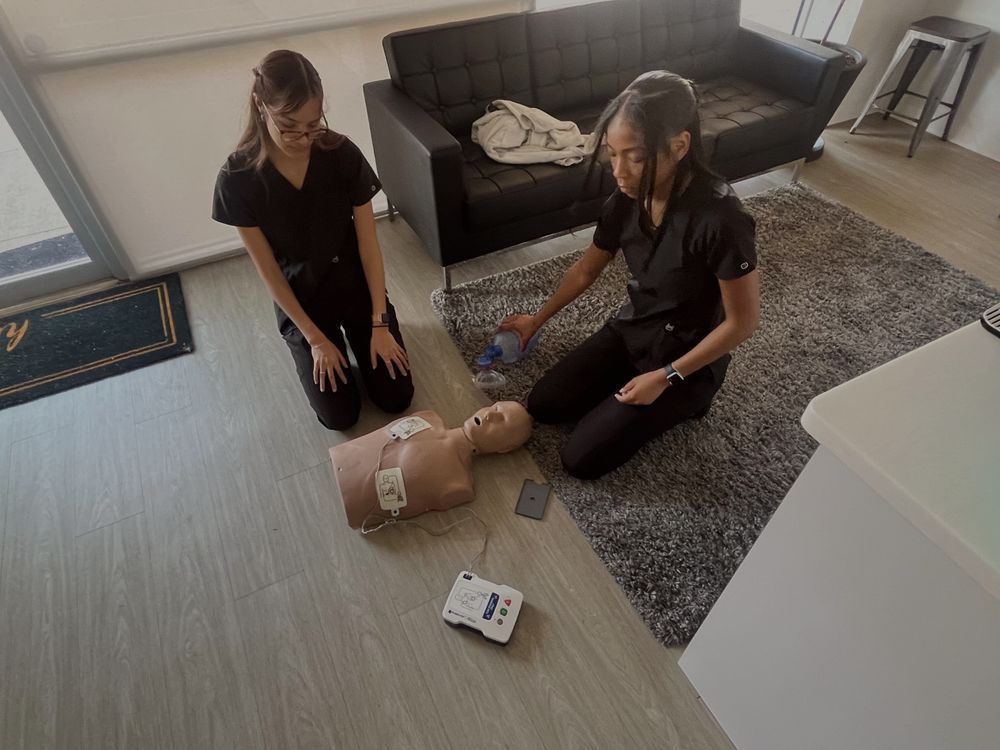
Launch Your Career in Preventative Care With Pulse Medical Assistant School If you’re inspired by the impact medical assistants have on preventative care, now is the perfect time to start your training. Pulse Medical Assistant School is an online-first, 16-week medical assistant program designed to prepare you for the realities of modern healthcare. While most of your coursework happens online for maximum flexibility, you’ll also participate in intensive, in-person labs that give you the hands-on skills and confidence to help real patients receive real care.
With expert instructors, practical skills training, and a curriculum built for today’s healthcare environment, Pulse Medical Assistant School equips you to step into a preventative care role on day one.
Start your journey toward a meaningful healthcare career—and play a vital role in keeping your community healthy.
You're only a few months from the medical assistant career you deserve.