How Medical Assistants Can Develop Leadership Skills
How Medical Assistants Can Develop Leadership Skills
Medical assistants play a vital role in keeping healthcare practices running smoothly. While the position is often considered entry-level, it offers far more opportunity than many people realize. Medical assistants interact with patients, support providers, coordinate workflows, and help ensure quality care is delivered every day. These responsibilities naturally create opportunities to develop leadership skills—regardless of job title or years of experience.
Leadership in medical assisting isn’t about managing large teams or holding administrative titles. It’s about taking initiative, communicating effectively, modeling professionalism, and supporting both patients and coworkers. As healthcare environments become more fast-paced and collaborative, medical assistants who demonstrate leadership qualities often stand out, earn greater trust, and unlock new opportunities for growth within their roles.
Build Strong Communication Skills
Clear, confident communication is one of the most important leadership skills a medical assistant can develop. In a healthcare setting, communication impacts patient safety, team efficiency, and overall care quality. Medical assistants serve as a bridge between patients, providers, nurses, and administrative staff, making their ability to convey information accurately especially critical.
Developing leadership through communication starts with active listening. Medical assistants who listen carefully to patients’ concerns and coworkers’ instructions are better equipped to respond appropriately and prevent misunderstandings. Asking clarifying questions, summarizing information, and confirming next steps all demonstrate professionalism and reliability.
Leadership communication also involves speaking up when necessary. Medical assistants who feel confident sharing observations, raising concerns, or offering suggestions help improve workflows and patient outcomes. Over time, this willingness to communicate clearly and respectfully builds trust and positions a medical assistant as a dependable voice within the team.
Take Initiative in Daily Responsibilities
Leadership often begins with initiative—stepping forward without being asked. Medical assistants who anticipate needs, identify problems, and act proactively demonstrate qualities that supervisors value highly. Initiative shows engagement, accountability, and a commitment to improving the work environment.
Taking initiative can be as simple as preparing exam rooms ahead of schedule, restocking supplies before they run low, or assisting a coworker who is overwhelmed. These actions show awareness of the bigger picture and a willingness to support the team beyond basic job duties.
Over time, initiative builds confidence. Medical assistants who consistently take ownership of their responsibilities develop stronger problem-solving skills and gain recognition as dependable team members. These behaviors are foundational leadership traits that translate well across healthcare roles and settings.
Develop Professional Confidence Through Training
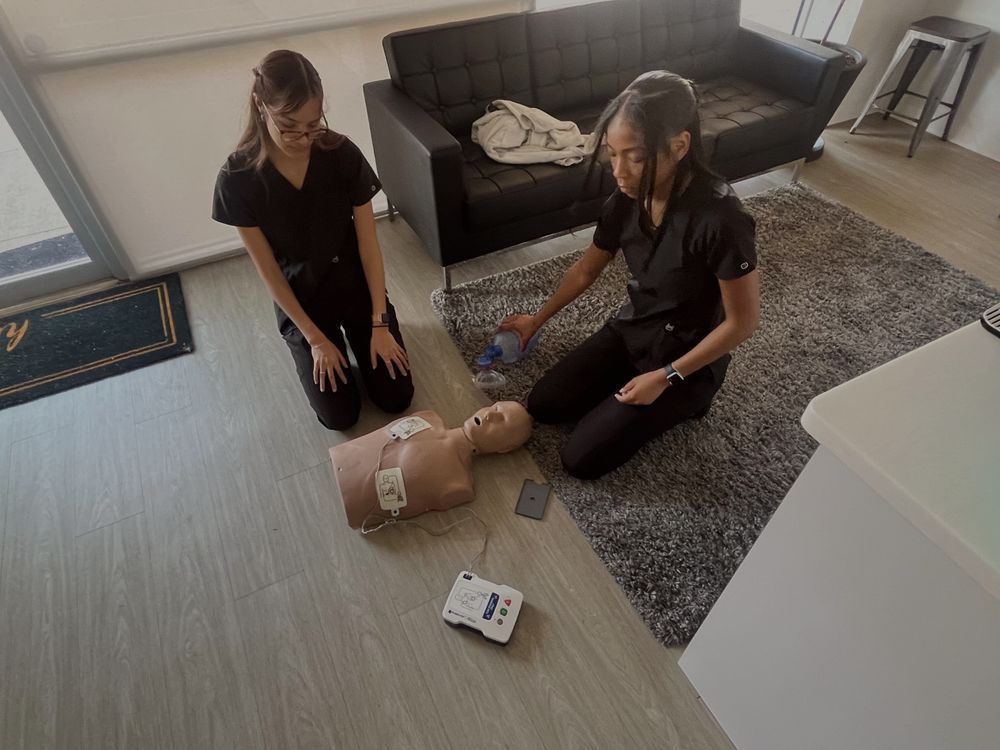
Training plays a critical role in leadership development for medical assistants. Confidence often grows alongside competence, and hands-on training helps medical assistants feel prepared to take on responsibility and guide others. When skills are well-developed, leadership behaviors follow naturally.
Clinical training allows medical assistants to become comfortable performing procedures, using medical technology, and assisting with patient care. This confidence makes it easier to support coworkers, explain processes to patients, and adapt to changing situations. Well-trained medical assistants are more likely to stay calm under pressure, a key leadership trait in healthcare environments.
Leadership development also benefits from exposure to real-world scenarios during training. Structured learning environments that emphasize teamwork, communication, and accountability help future medical assistants understand how leadership shows up in daily practice. These experiences prepare them to step into leadership-minded roles from the very start of their careers.
Practice Accountability and Reliability
Leadership is built on trust, and trust comes from accountability. Medical assistants who consistently follow through on responsibilities, arrive prepared, and maintain accuracy earn the confidence of both supervisors and peers. Reliability signals leadership even without formal authority.
Accountability also includes owning mistakes and learning from them. Medical assistants who acknowledge errors, seek guidance, and focus on improvement demonstrate maturity and professionalism. This mindset fosters respect and sets a positive example for others on the team.
By staying organized, meeting expectations, and managing time effectively, medical assistants show they can be counted on in high-stakes environments. These habits not only improve daily performance but also position them as informal leaders others look to for support and guidance.
Support Teamwork and Positive Workplace Culture
Strong leaders contribute to positive workplace culture, and medical assistants can do this regardless of seniority. Healthcare settings rely heavily on teamwork, and medical assistants who promote collaboration help improve morale and efficiency across the practice.
Supporting coworkers might include offering help during busy periods, sharing knowledge with newer team members, or maintaining a calm and respectful demeanor under stress. These behaviors encourage cooperation and reduce tension in fast-paced environments.
Medical assistants who contribute to a positive culture often become role models within their teams. Their professionalism, empathy, and teamwork reinforce standards of care and communication that benefit everyone involved. Over time, these qualities are recognized as leadership strengths that enhance both patient experience and team performance.
Lead by Example in Patient Care
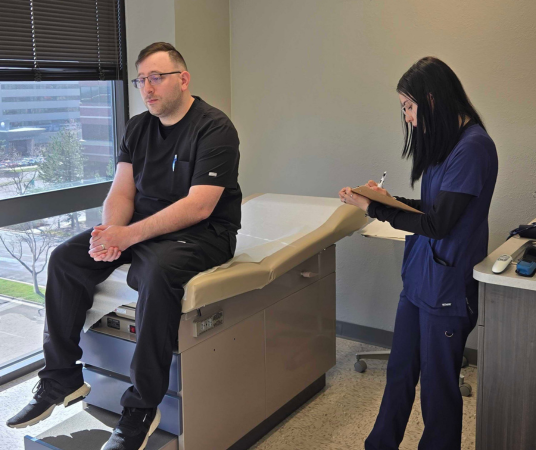
Patient interaction is one of the most visible areas where medical assistants can demonstrate leadership. Patients often look to medical assistants for reassurance, guidance, and clarity during visits. How a medical assistant presents themselves can shape a patient’s overall experience.
Leadership in patient care means demonstrating empathy, professionalism, and attention to detail. Explaining procedures clearly, maintaining confidentiality, and treating every patient with respect sets a standard for excellence. These actions reflect leadership through behavior rather than title.
Medical assistants who consistently model high-quality patient care influence the tone of the entire practice. Their approach encourages others to prioritize compassion and accuracy, reinforcing a patient-centered culture that is essential in modern healthcare.
Why Leadership Skills Matter for Medical Assistants
Why Leadership Skills Matter for Medical Assistants Leadership skills help medical assistants grow within their roles and adapt to the evolving healthcare landscape. Practices value team members who communicate well, take initiative, and support others, especially as patient volumes increase and workflows become more complex.
Developing leadership skills also boosts confidence and job satisfaction. Medical assistants who feel capable of influencing positive outcomes often experience greater engagement and motivation. Leadership skills make daily responsibilities more meaningful by connecting individual actions to broader goals.
Most importantly, leadership skills empower medical assistants to make a real impact. Whether improving patient experiences, supporting coworkers, or strengthening practice operations, leadership behaviors help medical assistants contribute at a higher level throughout their careers.
Start Building Leadership Skills with the Right Training
Leadership development begins with strong foundational training. Medical assistants who receive hands-on, career-focused education are better prepared to step into leadership-minded roles from day one. The right program emphasizes both technical skills and professional behaviors that translate directly to real healthcare settings.
Pulse Medical Assistant School offers an online-first, 16-week medical assistant program designed for learners who want to move quickly into the field with confidence. The program combines flexible online coursework with intensive, in-person labs, giving students practical experience that mirrors real clinical environments.
By focusing on real-world skills, teamwork, and patient care, Pulse Medical Assistant School helps aspiring medical assistants build the confidence to support real patients and real healthcare teams. For those looking to develop leadership skills while preparing for a rewarding career in medical assisting, Pulse provides the training foundation to succeed from the start.
You're only a few months from the medical assistant career you deserve.