How Medical Assistants Help Clinics Meet Accreditation Standards
How Medical Assistants Help Clinics Meet Accreditation Standards
Accreditation is more than a credential on the wall—it’s a marker of quality, safety, and trust. Healthcare clinics pursue accreditation to demonstrate that they meet nationally recognized standards for patient care, operational excellence, and regulatory compliance. Whether granted by organizations such as The Joint Commission, AAAHC, or state and specialty-specific bodies, accreditation impacts reimbursement eligibility, patient confidence, and long-term sustainability.
Medical assistants (MAs) play a critical, often behind-the-scenes role in helping clinics meet and maintain these standards. From ensuring accurate documentation to supporting infection control protocols, MAs are essential to the daily workflows that accreditation bodies evaluate. Their consistency, attention to detail, and patient-facing professionalism directly influence whether a clinic operates in alignment with required standards—or falls short.
Below are five key ways medical assistants help clinics meet accreditation standards and maintain high levels of care.
Supporting Accurate Documentation and Record-Keeping
Accreditation standards place a heavy emphasis on documentation accuracy, completeness, and accessibility. Medical assistants are deeply involved in clinical documentation, making their role central to compliance.
MAs often enter patient histories, update medication lists, record vital signs, and document chief complaints within electronic health record (EHR) systems. Accurate, timely documentation ensures continuity of care and allows providers to make informed clinical decisions. Accreditation surveys frequently review patient charts to confirm that documentation meets established protocols, timelines, and privacy requirements.
In addition, medical assistants help ensure that records are properly organized and stored according to HIPAA and accreditation guidelines. They may flag missing information, correct clerical errors, and follow standardized documentation workflows. These actions reduce the risk of compliance violations and help clinics demonstrate consistent adherence to documentation standards during audits and inspections.
Maintaining Infection Control and Safety Protocols
Patient safety and infection prevention are core components of nearly every accreditation framework. Medical assistants are often responsible for implementing and maintaining daily infection control practices that surveyors evaluate closely.
This includes proper hand hygiene, use of personal protective equipment (PPE), cleaning and disinfecting exam rooms, sterilizing instruments, and safely disposing of biohazardous waste. MAs also help ensure that safety signage is visible, supplies are stocked, and protocols are followed consistently across shifts and staff members.
Medical assistants may also assist with monitoring compliance by completing safety checklists, logging sterilization cycles, or reporting potential safety hazards to supervisors. Their vigilance helps clinics reduce the risk of healthcare-associated infections (HAIs) and demonstrate a culture of safety—an essential element of accreditation readiness.
Enhancing Patient Experience and Communication Standards
Accreditation organizations increasingly evaluate patient-centered care, including communication, respect, and accessibility. Medical assistants play a vital role in shaping the patient experience from check-in to discharge.
MAs often serve as the first and last point of contact during a patient visit. They explain procedures, confirm understanding, address basic concerns, and ensure patients feel heard and respected. Clear communication helps clinics meet standards related to informed consent, patient education, and cultural competency.
Additionally, medical assistants support accessibility requirements by assisting patients with disabilities, accommodating language needs, and maintaining a calm, professional environment. Positive patient interactions contribute to higher satisfaction scores, fewer complaints, and stronger evidence that the clinic meets accreditation expectations for patient engagement and equity.
Assisting With Compliance, Audits, and Quality Improvement
Accreditation is not a one-time event—it requires ongoing compliance and continuous quality improvement. Medical assistants frequently support internal audits, performance tracking, and readiness efforts that keep clinics aligned with accreditation standards year-round.
MAs may help gather data for quality metrics, such as immunization rates, preventive screenings, or follow-up compliance. They might assist in preparing documentation for mock surveys, updating policy binders, or ensuring that staff training records are current.
Medical assistants also contribute by identifying workflow inefficiencies or recurring issues during daily operations. By reporting concerns and participating in quality improvement initiatives, MAs help clinics proactively address gaps before they become accreditation risks. Their frontline perspective is invaluable in maintaining compliance between official surveys.
Supporting Team Coordination and Standardized Workflows
Accreditation standards emphasize consistency—care should be delivered reliably regardless of provider, time, or patient volume. Medical assistants help achieve this consistency by following standardized workflows and supporting interdisciplinary coordination.
MAs ensure that exam rooms are prepared according to protocol, patients are roomed efficiently, and providers have the information they need at the right time. They help coordinate between front office staff, nurses, providers, and external partners such as labs or imaging centers.
By adhering to established procedures and reinforcing best practices, medical assistants reduce variability in care delivery. This consistency is a key indicator of operational maturity and quality—both of which are closely examined during accreditation reviews.
Preparing for a Career That Supports Quality and Compliance
Preparing for a Career That Supports Quality and Compliance Medical assistants are foundational to a clinic’s ability to meet accreditation standards. Their work touches nearly every area that surveyors assess: documentation, safety, communication, compliance, and teamwork. Clinics rely on well-trained, confident MAs to translate policies into daily practice and uphold the standards that protect patients and providers alike.
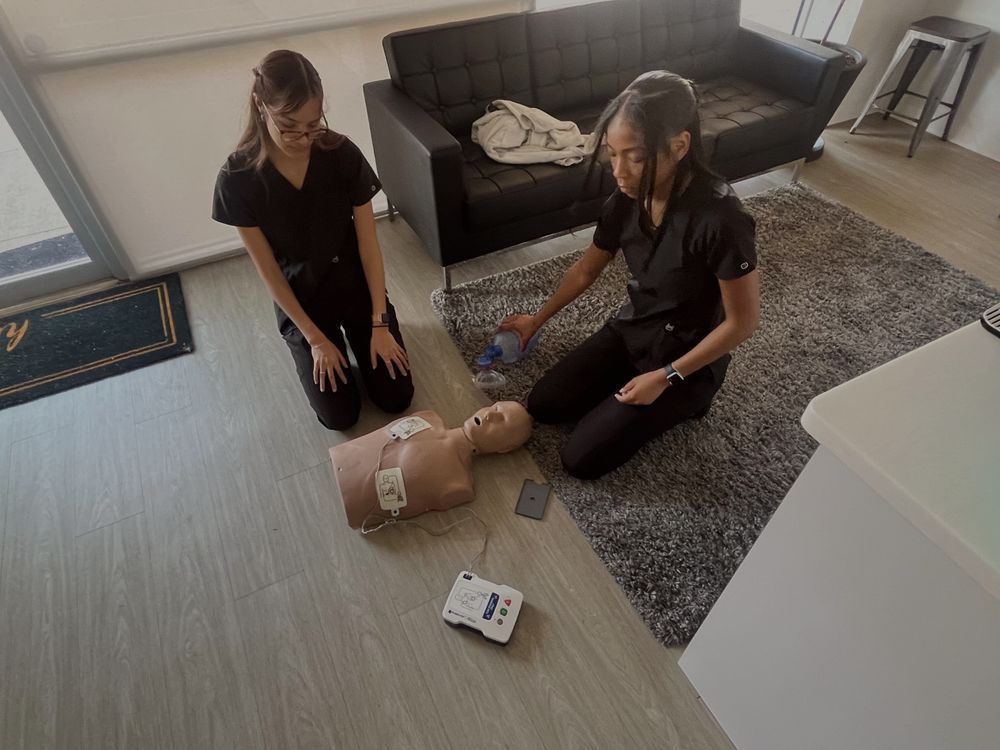
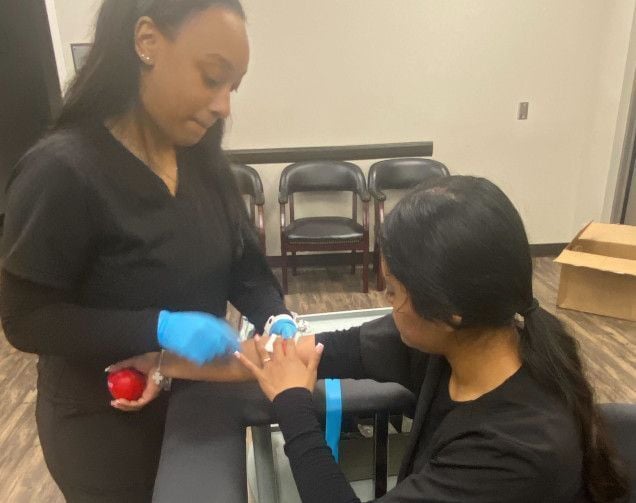
For aspiring medical assistants who want to make a meaningful impact in healthcare, the right training matters. Pulse Medical Assistant School offers an online-first, 16-week medical assistant program designed for modern healthcare environments. With intensive, in-person labs, students gain hands-on experience that builds real-world confidence—so they’re prepared to help real patients receive real care from day one.
If you’re ready to train for a role that supports quality, compliance, and patient safety across today’s healthcare clinics, Pulse Medical Assistant School can help you take the next step.
You're only a few months from the medical assistant career you deserve.