How Medical Assistants Help Reduce Patient Anxiety in Clinical Settings
How Medical Assistants Help Reduce Patient Anxiety in Clinical Settings
Walking into a medical office can be stressful for many patients. Whether they are visiting for a routine checkup, diagnostic testing, or treatment for a chronic condition, anxiety often accompanies the experience. Concerns about pain, diagnoses, costs, or past negative healthcare encounters can all heighten emotional distress before a patient ever sees a provider.
Medical assistants (MAs) play a critical role in easing that anxiety. As some of the first and most consistent points of contact in a clinical setting, medical assistants influence how safe, understood, and supported patients feel throughout their visit. From communication and environment management to emotional reassurance and procedural support, medical assistants help transform intimidating healthcare interactions into calmer, more patient-centered experiences.
Creating a Calm and Welcoming First Impression
For many patients, anxiety begins the moment they walk through the door. The check-in process, unfamiliar surroundings, and anticipation of what comes next can all raise stress levels. Medical assistants are often responsible for greeting patients, confirming information, and guiding them through the first steps of their visit, making their approach especially important.
A warm, professional greeting helps set the tone for the entire appointment. Medical assistants who make eye contact, speak clearly, and use a calm demeanor can immediately reduce feelings of tension. Simple actions—such as explaining wait times, offering reassurance about next steps, or acknowledging that medical visits can be stressful—help patients feel seen and respected.
In addition, medical assistants help maintain a clean, organized, and orderly clinical environment. A tidy exam room, prepared equipment, and efficient workflow reduce delays and uncertainty, both of which are common triggers for anxiety. When patients sense that the clinic is well-run and attentive, they are more likely to relax and trust the care process.
Using Clear, Compassionate Communication
Uncertainty is one of the biggest drivers of patient anxiety. When patients do not understand what is happening or why certain procedures are necessary, fear and stress tend to increase. Medical assistants help reduce this uncertainty by communicating clearly, calmly, and compassionately throughout the visit.
Before procedures such as vital sign checks, blood draws, or screenings, medical assistants often explain what will happen and how long it will take. Even brief explanations can help patients feel more in control. When patients know what to expect, they are less likely to imagine worst-case scenarios or feel caught off guard.
Medical assistants also serve as active listeners. Patients may express concerns, fears, or confusion while being roomed or prepared for an exam. By listening without rushing, acknowledging concerns, and responding with empathy, medical assistants help patients feel heard. This emotional validation alone can significantly reduce anxiety, even before clinical care begins.
Supporting Patients During Clinical Procedures
Medical procedures—whether minor or invasive—are a common source of anxiety. Blood draws, injections, EKGs, and other routine tasks can feel overwhelming for patients who fear pain, discomfort, or medical equipment. Medical assistants play a hands-on role in guiding patients through these moments.
During procedures, medical assistants often explain each step as it happens, which helps reduce fear of the unknown. Reassuring patients about sensations they may feel and reminding them that discomfort is temporary can ease emotional tension. In many cases, simple techniques such as steady pacing, gentle touch, and calm verbal cues help patients stay grounded.
Medical assistants are also trained to recognize signs of escalating anxiety, such as shallow breathing, restlessness, or emotional distress. When these signs appear, MAs can pause, offer reassurance, or adjust their approach to help patients feel more comfortable. This responsiveness builds trust and reinforces the idea that patient comfort matters.
Building Trust Through Consistency and Professionalism
Trust is foundational to reducing patient anxiety, and medical assistants help establish that trust through consistency and professionalism. Patients often interact with medical assistants more frequently than with providers, especially during follow-up visits or ongoing care.
By consistently demonstrating professionalism—such as respecting privacy, maintaining confidentiality, and following clinical protocols—medical assistants help patients feel safe. When patients know that their personal information is handled carefully and that procedures are performed competently, anxiety naturally decreases.
Over time, familiarity also plays a role. Seeing the same medical assistant across multiple visits helps patients feel more comfortable and less apprehensive. This continuity fosters rapport, allowing patients to open up about concerns they might otherwise withhold. In many cases, a trusted medical assistant becomes a calming presence patients rely on during stressful healthcare moments.
Advocating for Patient Comfort and Emotional Needs
Medical assistants often serve as patient advocates, especially when it comes to comfort and emotional well-being. They act as a bridge between patients and providers, helping ensure that concerns are addressed and needs are met.
If a patient expresses fear, discomfort, or confusion, medical assistants can communicate those concerns to the provider before the exam begins. This allows clinicians to adjust their approach, spend additional time explaining care plans, or offer reassurance tailored to the patient’s needs. Patients feel more at ease knowing that someone is advocating on their behalf.
Medical assistants also help accommodate special needs that can reduce anxiety, such as offering extra time for explanations, adjusting positioning for comfort, or supporting patients with sensory sensitivities. These accommodations demonstrate empathy and reinforce patient-centered care, making clinical environments feel more humane and less intimidating.
Preparing Medical Assistants to Support Confident, Compassionate Care
Preparing Medical Assistants to Support Confident, Compassionate Care Reducing patient anxiety is not just about clinical outcomes—it is about creating healthcare experiences rooted in trust, empathy, and understanding. Medical assistants play a vital role in this process by shaping first impressions, communicating clearly, supporting patients through procedures, building lasting trust, and advocating for comfort and emotional well-being.
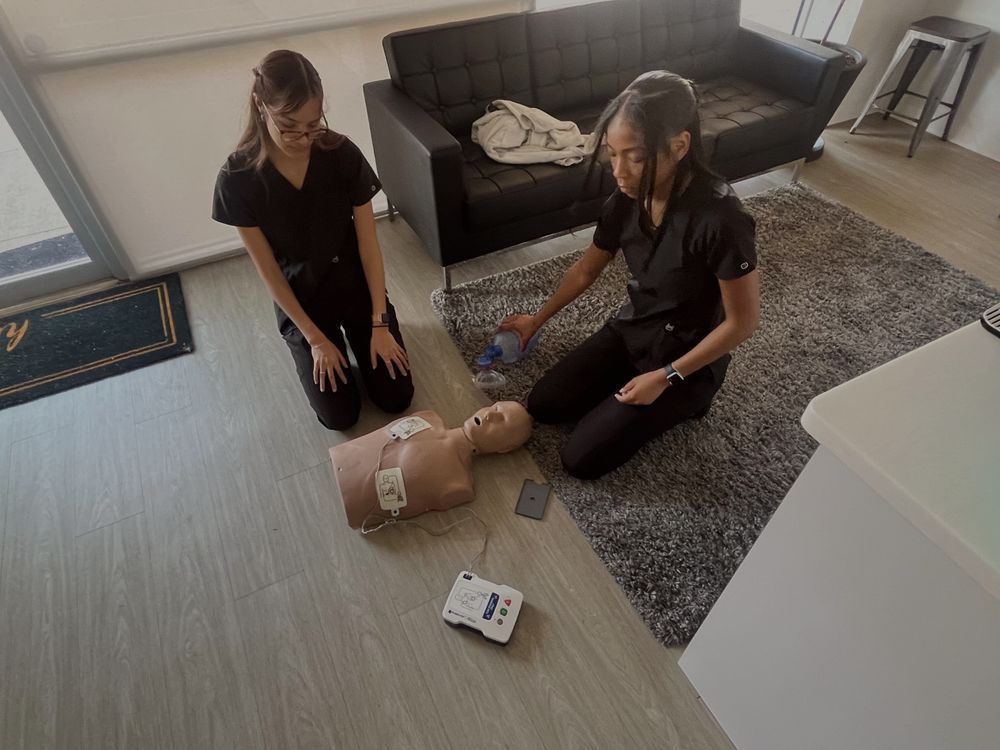
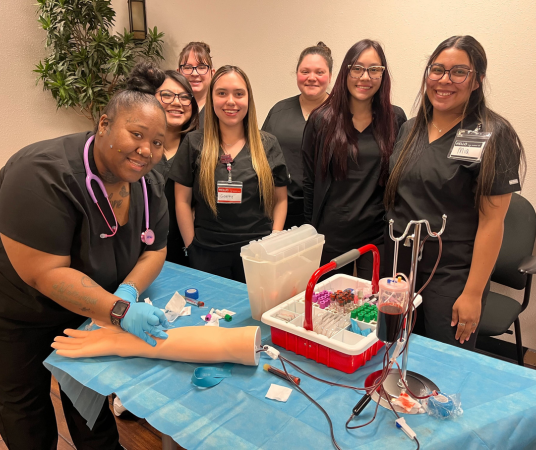
For those who want to make a meaningful impact in patient care, proper training is essential. Pulse Medical Assistant School prepares future medical assistants through an online-first, 16-week program designed to balance flexibility with hands-on learning. With intensive, in-person labs, students gain real-world clinical skills and the confidence needed to support real patients in real healthcare settings. For aspiring medical assistants who want to provide compassionate care while helping patients feel calm, informed, and supported, Pulse Medical Assistant School offers a direct path forward.
You're only a few months from the medical assistant career you deserve.