How Medical Assistants Manage Both Clinical and Admin Duties
How Medical Assistants Manage Both Clinical and Admin Duties
Medical assistants are some of the most dynamic professionals in healthcare. They move seamlessly between hands-on patient care and the administrative tasks that keep clinics running day after day. This dual role is one of the reasons the profession is so rewarding—no two days are alike, and medical assistants get to support patients throughout their entire visit, from check-in to treatment to follow-up. But balancing these responsibilities takes intention, organization, and confidence.
Whether you work in a bustling primary care practice, a specialty clinic, or a fast-paced urgent care, the ability to manage both clinical and administrative duties is essential. Developing this skill not only helps you perform at a high level but also positions you for long-term career growth. Below are five effective strategies that help medical assistants successfully juggle these responsibilities while supporting both patients and the healthcare team.
Master Time-Blocking to Stay Ahead of the Day
One of the most powerful ways medical assistants manage dual responsibilities is through time-blocking—intentionally scheduling specific periods for administrative and clinical work. Even though healthcare can be unpredictable, having a structured plan anchors your day and prevents tasks from piling up.
For administrative responsibilities, time-blocking might include setting aside a few minutes each hour to update patient charts, verify insurance, and respond to messages. This helps keep the front office running smoothly without taking away time from patient-facing care. When clinical duties increase—such as rooming patients or assisting with vital signs—you can adjust the blocks accordingly. The goal isn’t a rigid schedule but a flexible framework that helps you prioritize what matters most.
Time-blocking also prevents overwhelm. Instead of jumping from task to task, medical assistants create mental “zones” that allow them to focus deeply. The result? Less stress, fewer errors, and more consistent patient care.
Use Technology to Streamline Workflows
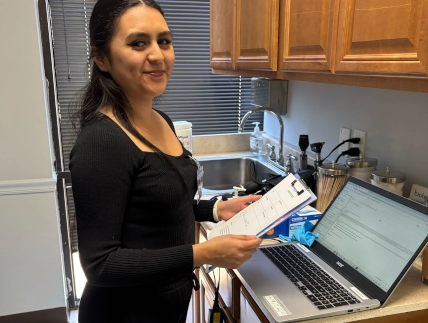
Modern clinics rely heavily on technology, and medical assistants who learn to use these tools effectively can handle dual duties with greater speed and accuracy. Electronic health records (EHRs), automated check-in systems, scheduling platforms, and communication apps all help reduce manual work.
For example, using template notes in the EHR can cut documentation time in half, giving you more time for clinical care. Automated appointment reminders minimize no-shows and free up time you’d otherwise spend calling patients manually. Barcode labels make sample collection faster and reduce the risk of misidentification. Each of these tools reduces friction, helping you shift from admin work to clinical responsibilities smoothly throughout the day.
Medical assistants who invest time in learning these systems quickly become indispensable team members. Not only do they work more efficiently, but they also act as a bridge between clinicians, patients, and front-office staff—ensuring clear communication and fewer gaps in care.
Communicate Clearly With the Healthcare Team
Managing both clinical and administrative duties requires clear, proactive communication. Medical assistants routinely coordinate with doctors, nurses, billing specialists, and other staff, so understanding how to share information effectively is essential.
This starts with speaking up early. If you notice scheduling conflicts, confusing documentation, or a patient who needs special accommodations, bringing this to the team’s attention prevents disruptions later. Communicating changes in patient flow—such as late arrivals or urgent walk-ins—also helps providers manage their time and expectations.
Good communication also means asking clarifying questions when necessary. Healthcare is full of small details, and double-checking instructions is far better than risking an error. Whether confirming immunization schedules, preparing exam rooms, or updating patient charts, clarity ensures accuracy—and accuracy supports both patient safety and clinic efficiency.
Strong communication skills also build trust within the team. When everyone knows they can rely on you to provide timely updates and precise information, it becomes much easier to manage multiple roles without feeling overwhelmed.
Build Strong Organizational Systems
Medical assistants who thrive in dual-duty environments are often experts in organization. They develop systems that help them keep track of responsibilities and make efficient choices throughout the day.
For administrative work, organization might include:
For administrative work, organization might include: Color-coded schedules to identify different appointment types
Checklists for daily, weekly, and monthly tasks
Prioritized task lists to clarify what must be done immediately versus what can wait
Standardized filing and documentation methods to reduce search time
On the clinical side, organizational systems keep patient care running smoothly. This may involve prepping exam rooms between visits, maintaining inventory for supplies, tracking lab orders, and ensuring equipment is cleaned and ready for use. When the environment is organized, patient visits move quickly, and the healthcare team can focus on delivering exceptional care rather than scrambling for tools or information.
The most effective organizational systems are simple, repeatable, and shared across the team. When everyone works from the same playbook, tasks get done consistently—even on the busiest days.
Stay Flexible and Ready to Pivot
Healthcare changes minute by minute, and medical assistants must be ready to pivot from administrative to clinical duties and back again. Flexibility is a defining trait of successful MAs, especially in environments where emergencies, walk-ins, or delayed providers can quickly shift priorities.
This flexibility is part mindset and part skill. The mindset involves staying calm, patient, and solution-oriented even when the unexpected happens. The skill involves knowing how to quickly assess what needs attention most urgently—perhaps checking in a newly arrived patient, helping a provider in a procedure room, or resolving a scheduling issue.
Medical assistants who stay flexible are better equipped to support both staff and patients. They make the clinic feel smoother, safer, and more efficient, even during chaotic moments. And importantly, they earn a reputation for reliability—something employers value highly when considering raises, promotions, or leadership roles.
Launch Your Healthcare Career With Confidence
Launch Your Healthcare Career With Confidence Medical assistants carry one of the most versatile roles in the healthcare world. Balancing clinical and administrative duties isn’t always easy, but with strong organizational habits, excellent communication, smart use of technology, and the ability to stay flexible, MAs can manage their responsibilities with confidence. These skills not only make the day run smoother but also contribute directly to better patient experiences, stronger clinical outcomes, and a more efficient healthcare environment.
If you’re preparing for a medical assisting career—or looking to strengthen your ability to manage multiple responsibilities effectively—the right training program can make all the difference.
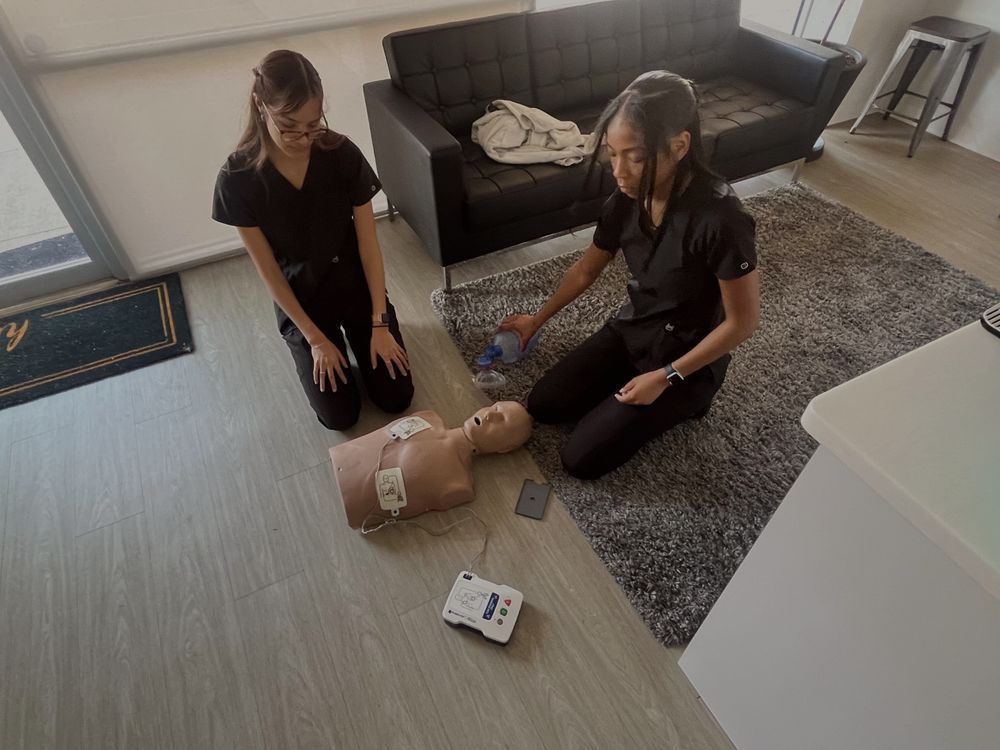
Pulse Medical Assistant School is an online-first, 16-week medical assistant program designed to help you build both administrative and clinical skills with confidence. With intensive, in-person labs, hands-on training, and industry-aligned curriculum, you’ll graduate ready to help real patients receive real care and support providers in any healthcare setting.
If you’re ready to step into a meaningful, high-demand career, Pulse Medical Assistant School gives you the practical experience and knowledge to excel.
You're only a few months from the medical assistant career you deserve.