How Medical Assistants Support Doctors and Nurses
How Medical Assistants Support Doctors and Nurses
In today’s fast-paced healthcare environment, medical assistants play a crucial—yet often understated—role in helping clinics, hospitals, and specialty practices run smoothly. While providers such as doctors and nurses are responsible for diagnosing, treating, and caring for patients, they rely heavily on medical assistants to keep workflows organized, manage essential tasks, and ensure that each patient receives timely, efficient care. Without this support, healthcare teams would struggle to maintain the same level of quality, access, and coordination that patients expect.
Medical assistants bridge the gap between administrative work, clinical tasks, and patient communication. Their versatility allows them to adapt quickly to changing demands, whether that means preparing exam rooms, managing medical records, or assisting during procedures. By handling the details that often consume time and attention, medical assistants empower doctors and nurses to stay focused on what matters most: delivering safe, effective care. Below are five key ways medical assistants support doctors and nurses every day.
Managing Administrative Responsibilities That Keep Care Moving
One of the most significant ways medical assistants support healthcare teams is by taking ownership of the administrative tasks that can easily overwhelm providers’ schedules. Doctors and nurses often juggle dozens of patients, calls, and charting responsibilities throughout the day; without administrative support, delays and oversights become far more likely. Medical assistants step in to manage the front-end work that ensures clinics stay organized and efficient.
A major component of this support involves scheduling appointments, confirming visits, answering calls, and updating electronic health records. Medical assistants help patients navigate the administrative steps of their visit, from check-in to follow-up, so providers aren’t pulled away from clinical responsibilities. They verify patient information, collect insurance details, and ensure charts are accurate and ready before an appointment begins. This preparation helps doctors and nurses maximize the time they spend providing hands-on care.
Medical assistants also help coordinate communication between patients, providers, and other members of the care team. They deliver messages, relay lab results, obtain prior authorizations when needed, and follow up on referrals. These tasks might sound simple, but they are essential for preventing bottlenecks in care delivery. By managing the administrative flow, medical assistants reduce provider stress and create a smooth patient experience.
Preparing Patients and Exam Rooms for Efficient Care
Before any clinical encounter begins, medical assistants ensure that both the patient and the environment are ready for the provider. This preparation helps doctors and nurses move through their day more efficiently, reducing downtime and improving overall workflow. A well-prepared room and well-informed patient allow providers to immediately focus on assessment and treatment.
Preparing exam rooms includes cleaning and sanitizing surfaces, restocking supplies, setting up equipment, and ensuring tools are accessible and functioning properly. When medical assistants maintain this level of organization, doctors and nurses can work without interruptions or delays caused by missing instruments or cluttered spaces. These behind-the-scenes tasks directly influence how smoothly clinical encounters unfold.
Patient preparation is equally important. Medical assistants greet patients, take their vital signs, record symptoms, update medical history, and help them feel comfortable before the provider enters the room. By gathering this information ahead of time, medical assistants give doctors and nurses a clear starting point for the visit. This leads to more informed decision-making and a more personalized care experience. When patients feel understood and supported during these initial moments, it also builds trust and improves overall satisfaction.
Assisting with Clinical Procedures and Supporting Provider Workflow
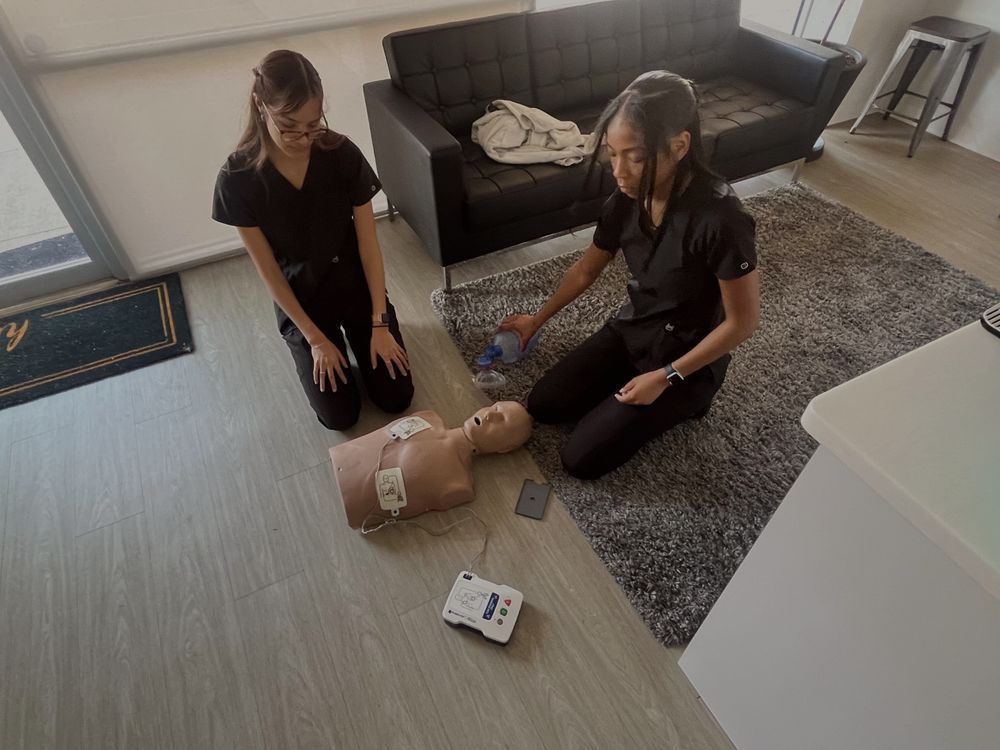
Another essential way medical assistants support doctors and nurses is by assisting with clinical procedures. While MAs are not licensed to perform the same functions as nurses, they are trained to support a wide range of clinical tasks under provider supervision. This hands-on assistance helps reduce workload, speeds up routine procedures, and ensures providers have the support they need to treat patients effectively.
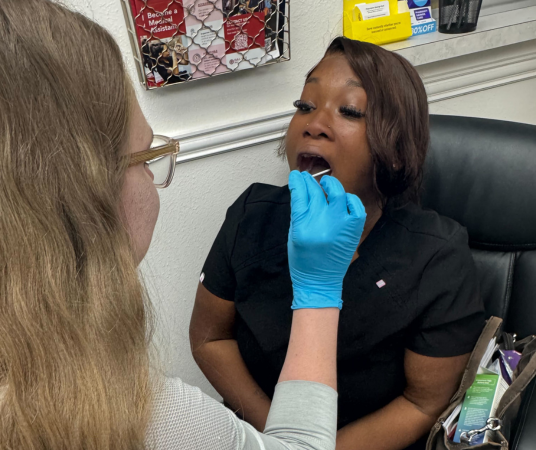
Medical assistants may help prepare instruments, hand tools to providers during procedures, apply dressings, collect samples, and conduct point-of-care testing such as blood glucose checks or rapid strep tests. Their ability to anticipate needs and stay one step ahead allows doctors and nurses to remain focused on patient care without having to pause to gather supplies or set up equipment. This collaborative workflow improves efficiency and helps maintain high standards of care.
Beyond procedures, medical assistants frequently support providers by documenting information during exams, recording updates in patient charts, and ensuring orders are entered correctly. Accurate documentation is vital for continuity of care, and medical assistants play a key role in keeping records updated and organized. Their contributions help prevent medical errors, streamline clinical operations, and enhance communication among the healthcare team.
Facilitating Patient Education and Strengthening Provider-Patient Communication
Doctors and nurses rely on medical assistants to help reinforce instructions and ensure patients understand the information they receive during their visit. Providers often have limited time for each appointment, making it challenging to explain every detail of a diagnosis, treatment plan, or medication change. Medical assistants help fill this gap by supporting patient education and communication.
After a provider gives instructions, medical assistants may review care plans, explain how to take medications, demonstrate basic home-care techniques, or answer questions a patient wasn’t comfortable asking the doctor or nurse. They also distribute educational materials, help schedule follow-ups, and ensure patients know what steps to take next. This added layer of guidance helps patients feel more confident managing their health.
Medical assistants also act as a communication bridge. They relay patient concerns, clarify provider instructions, and make sure nothing gets lost in translation during a busy clinic day. When patients leave the office feeling informed and supported, it enhances the overall quality of care and improves outcomes. The ability to communicate effectively—both with patients and with providers—is one of the most important skills a medical assistant brings to the healthcare team.
Supporting Clinical Efficiency by Handling Routine Tasks and Reducing Provider Workload
Doctors and nurses face intense demands—not only from clinical responsibilities but also from the pressure to remain efficient while still providing compassionate care. Medical assistants play a critical role in helping providers maintain this balance by managing routine tasks that would otherwise take up valuable time.
These tasks include measuring vital signs, performing EKGs, administering injections (depending on state regulations), preparing lab specimens, and maintaining medical equipment. When medical assistants take on these responsibilities, doctors and nurses can devote more attention to complex care needs, diagnostic reasoning, and patient communication. This division of labor allows clinics and hospitals to serve more patients without compromising quality.
Medical assistants also help manage supply inventory, monitor equipment functionality, and report issues before they become problems. These efforts contribute to a more organized, well-functioning clinical environment. By taking responsibility for routine but essential tasks, medical assistants help reduce burnout among doctors and nurses—something that has become increasingly important in today’s healthcare landscape.
Ultimately, the support medical assistants provide is not just helpful; it is foundational. They are the backbone of daily operations, ensuring that clinicians can focus on delivering the highest standard of care while knowing the details are handled.
Start Your Medical Assisting Journey with Confidence
Start Your Medical Assisting Journey with Confidence Medical assistants play a vital role in modern healthcare by supporting doctors, nurses, and the broader care team in countless ways. Their ability to manage administrative responsibilities, prepare patients, assist with procedures, facilitate communication, and handle routine clinical tasks makes them indispensable in clinics and hospitals alike. Without medical assistants, even the most experienced healthcare providers would face greater stress, longer workdays, and more obstacles to delivering high-quality care.
For anyone interested in joining a fast-growing, meaningful healthcare career, medical assisting offers an opportunity to make a measurable impact on both patient experiences and provider workflows. With comprehensive training, hands-on practice, and strong professional skills, medical assistants can thrive in a wide range of healthcare environments while supporting the professionals who care for patients every day.
If you’re ready to begin a rewarding healthcare career where you can make a meaningful difference, Pulse Medical Assistant School can help you get there. Pulse is an online-first, 16-week medical assistant program that includes intensive, in-person labs designed to give aspiring medical assistants the confidence to help real patients receive real care. With flexible learning, hands-on training, and strong career preparation, you’ll graduate ready to support doctors, nurses, and patients from day one.
You're only a few months from the medical assistant career you deserve.