How Medical Assistants Support Medication Adherence

How Medical Assistants Support Medication Adherence
Medication adherence—taking medications exactly as prescribed—is one of the most critical factors in successful patient outcomes. Yet, across the healthcare system, non-adherence remains a persistent challenge. Patients may forget doses, misunderstand instructions, experience side effects, or struggle with cost and access. These challenges can lead to worsening conditions, avoidable hospitalizations, and increased healthcare costs.
Medical assistants (MAs) play a vital role in closing the gap between prescriptions and proper use. Positioned at the intersection of clinical care and patient communication, medical assistants often spend more time interacting with patients than any other member of the care team. Through education, organization, empathy, and follow-up, MAs help patients feel informed, supported, and confident in managing their medications. Below are five key ways medical assistants actively support medication adherence in real-world healthcare settings.
Reinforcing Medication Instructions in Plain Language
One of the most common reasons patients struggle with medication adherence is confusion. Prescription labels can be dense, instructions may be rushed, and medical terminology is often unfamiliar. Medical assistants help bridge this gap by reinforcing medication instructions in clear, accessible language.
After a provider prescribes a medication, MAs frequently review the instructions with the patient. This may include explaining how often the medication should be taken, whether it should be taken with food, and what to do if a dose is missed. By translating clinical language into everyday terms, medical assistants ensure patients leave the appointment with a realistic understanding of how to follow their treatment plan.
Medical assistants also assess comprehension by asking patients to repeat instructions in their own words. This “teach-back” approach allows MAs to identify misunderstandings early and correct them before they lead to missed doses or incorrect usage. When patients feel confident about what they’re supposed to do, they are far more likely to do it consistently.
Identifying Barriers to Taking Medications as Prescribed
Medication adherence is rarely just about remembering to take a pill. Many patients face barriers that make adherence difficult, including cost concerns, transportation issues, physical limitations, side effects, or cultural beliefs about medication. Medical assistants are often the first to uncover these challenges.
During intake, follow-up calls, or routine conversations, MAs may notice patterns such as delayed refills, hesitation when discussing medications, or comments about affordability. Because medical assistants often build rapport with patients, individuals may feel more comfortable sharing concerns they might not raise directly with a provider.
Once barriers are identified, medical assistants can flag issues for the care team, help patients explore generic alternatives, provide information on pharmacy assistance programs, or connect patients with social services. Addressing obstacles proactively helps prevent non-adherence before it impacts patient health.
Supporting Medication Organization and Reminders
For patients managing multiple medications—especially those with chronic conditions—organization can be overwhelming. Medical assistants help patients develop practical systems that make adherence easier and more manageable.
MAs may educate patients on using pill organizers, setting phone alarms, or aligning medication schedules with daily routines such as meals or bedtime. For older adults or patients with cognitive challenges, medical assistants may involve caregivers and provide guidance on shared responsibility for medication management.
In some healthcare settings, medical assistants assist with refill coordination, medication reconciliation, or reminders for follow-up appointments related to prescription monitoring. These small, consistent supports can significantly improve adherence by reducing the mental burden placed on patients.
Monitoring Side Effects and Encouraging Open Communication
Side effects are one of the leading reasons patients stop taking medications without informing their provider. Medical assistants help prevent this by normalizing conversations about side effects and encouraging patients to speak up early.
During check-ins or follow-up calls, MAs often ask patients how they’re feeling on a new medication and whether they’ve noticed any changes. By framing these questions as routine and non-judgmental, medical assistants help patients feel safe reporting concerns rather than discontinuing medication on their own.
When side effects are reported, medical assistants relay information to providers promptly so adjustments can be made if necessary. This may involve dosage changes, switching medications, or providing reassurance about temporary effects. Patients who feel heard and supported are more likely to remain engaged in their treatment plans.
Building Trust and Long-Term Patient Relationships
Building Trust and Long-Term Patient Relationships Trust is a powerful driver of medication adherence. Patients are more likely to follow treatment plans when they feel respected, understood, and supported by their healthcare team. Medical assistants play a key role in building this trust through consistent, compassionate interactions.
Because MAs often see patients at multiple touchpoints—intake, procedures, follow-ups, and administrative interactions—they become familiar faces in the clinical environment. Simple actions such as remembering a patient’s name, asking about progress, or acknowledging challenges can strengthen the patient-provider relationship.
Over time, this trust encourages patients to ask questions, disclose concerns, and stay engaged in their care. Medical assistants who prioritize empathy and communication help create a healthcare experience where patients feel empowered rather than overwhelmed.
Preparing Medical Assistants for Real-World Patient Support
Preparing Medical Assistants for Real-World Patient Support Supporting medication adherence requires more than memorizing drug names or following checklists. It demands communication skills, cultural awareness, organizational ability, and confidence in patient interaction. That’s why hands-on training and real-world preparation are essential for aspiring medical assistants.
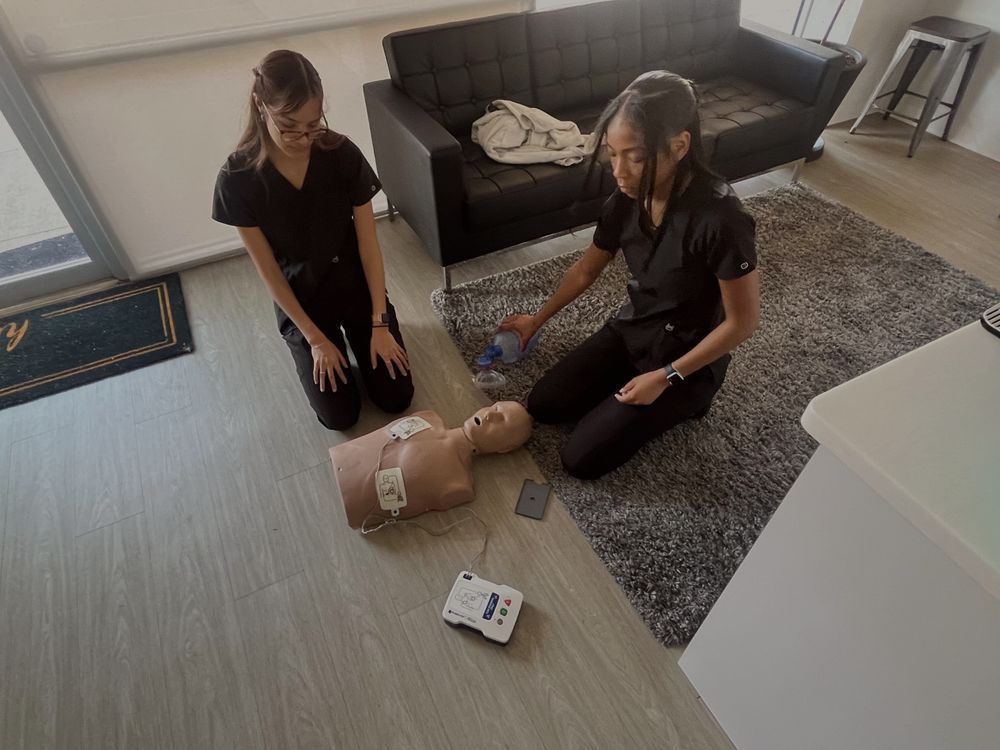
Pulse Medical Assistant School prepares students for this responsibility through an online-first, 16-week medical assistant program designed for modern healthcare environments. Students build foundational knowledge online while participating in intensive, in-person labs that focus on practical skills, patient communication, and clinical confidence. By combining flexibility with hands-on experience, Pulse equips future medical assistants to support real patients with real care—starting on day one of their careers.
For those ready to make a meaningful impact on patient health, Pulse Medical Assistant School offers a fast-paced, career-focused path into medical assisting that emphasizes both technical ability and compassionate care.
You're only a few months from the medical assistant career you deserve.