How to Become a Lead or Senior Medical Assistant
How to Become a Lead or Senior Medical Assistant
Advancing from a medical assistant (MA) to a lead or senior medical assistant is a natural next step for professionals who want more responsibility, more influence on patient care processes, and more opportunities for long-term career growth. While medical assisting offers a strong entry point into healthcare, senior-level roles allow you to guide newer MAs, collaborate more closely with administrators, and help shape the daily workflows that keep clinics running smoothly. For many medical assistants, this promotion also comes with higher earning potential and a clearer path into other allied health careers.
Becoming a lead or senior medical assistant requires more than just time on the job—it calls for advanced skills, strong communication, leadership potential, and a deeper understanding of clinical and administrative operations. Whether you’re early in your MA career or preparing to take on more responsibility, knowing which steps to follow can help you position yourself for advancement. Below are five practical steps that will guide you toward becoming a lead or senior medical assistant.
Participate in an Accelerated Medical Assistant Training Program
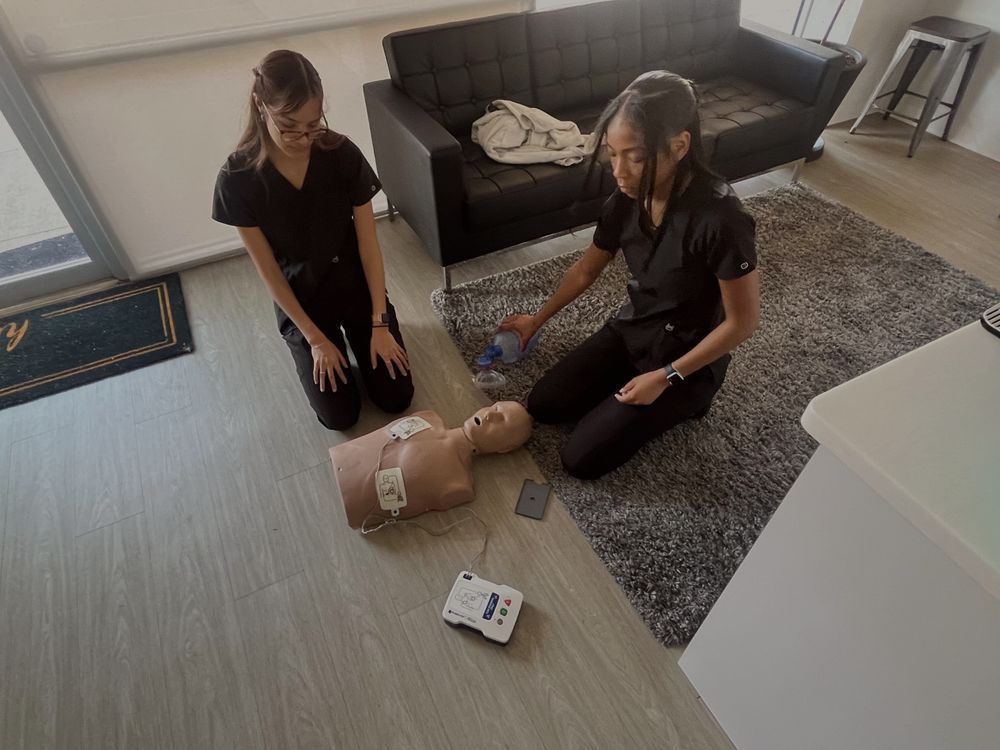
If your long-term goal is to move into a senior or lead MA role, the most important starting point is completing a high-quality medical assistant training program—preferably an accelerated one designed to fast-track your career. A strong education sets the foundation for mastering core skills sooner and entering the workforce fully prepared. Accelerated programs condense essential coursework and hands-on training into a shorter timeframe, giving you the same depth of knowledge traditional programs offer but in a more efficient, career-focused format.
What makes this first step so critical is that senior MA roles require more than basic administrative or clinical ability. You’re expected to have a robust understanding of medical terminology, anatomy, patient communication, charting systems, and clinical procedures. Many employers prefer or require MAs who hold certifications, and accelerated programs often prepare students for these exams. A high-quality program also exposes you to real clinical scenarios early on, helping you build confidence and readiness for the demands of advanced roles.
Build Strong Clinical Experience and Master Advanced Skills
After completing your training and entering the field, the next step toward becoming a lead or senior medical assistant is gaining diverse and progressively advanced clinical experience. Senior MAs are frequently the go-to resource for troubleshooting tasks, supporting complex procedures, and stepping in when the clinic is busy or understaffed. The more clinical situations you experience—and the more skills you master—the more valuable you become as a candidate for leadership roles.
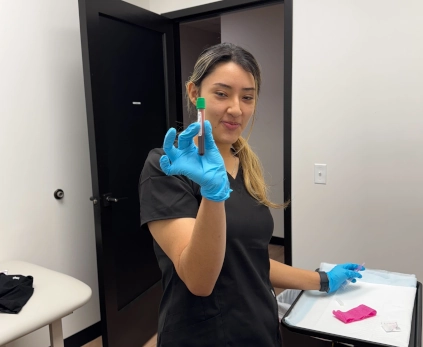
This includes becoming proficient in specialized tasks such as EKGs, phlebotomy, sterile instrument preparation, medication administration (where permitted), wound care assistance, or supporting specific specialties like dermatology, cardiology, pediatrics, or orthopedics. Broadening your skill set shows employers that you’re capable of training others, adapting quickly to new responsibilities, and helping maintain high clinical standards. In many clinics, senior MAs also take on additional responsibilities such as ordering supplies, verifying documentation accuracy, and ensuring exam rooms meet regulatory standards.
Demonstrate Leadership Qualities in Your Current Role
To advance into a senior or lead MA position, you’ll need more than technical skills—you’ll need to demonstrate strong leadership qualities, even before you’re officially promoted. This means showing initiative, taking responsibility for patient flow, mentoring newer MAs, and being someone your team depends on when challenges arise. Leading by example is one of the most effective ways to signal that you’re ready for more responsibility.
Start by developing excellent communication habits, including giving clear instructions, asking thoughtful questions, and managing patient interactions with confidence and empathy. Leadership also involves staying calm under pressure, thinking critically through unexpected issues, and advocating for patients and team members as needed. Even small actions—such as jumping in to help when the clinic gets busy or volunteering to train a new hire—can demonstrate the reliability employers look for in senior-level candidates.
In many healthcare settings, lead MAs play a crucial role in coordinating daily tasks, monitoring schedules, and ensuring that clinical operations run smoothly. Showing your supervisors that you can organize, prioritize, and problem-solve will put you on their radar when a senior position opens.
Pursue Continuing Education and Professional Certification
One of the clearest ways to distinguish yourself as a high-level candidate is by pursuing certification and ongoing professional education. Certifications such as Certified Medical Assistant (CMA), Registered Medical Assistant (RMA), or National Certified Medical Assistant (NCMA) demonstrate your commitment to excellence and deepen your knowledge in key clinical and administrative areas. Many clinics prefer or require certification for senior-level roles because it signals a higher level of competency and dedication.
Continuing education can also include specialty training in areas such as phlebotomy, EKG interpretation, infection control, electronic health record (EHR) management, or HIPAA compliance. These additional credentials make you a more versatile team member and equip you with the expertise needed to support or train others. Some senior MAs also take courses in leadership, healthcare management, or patient relations to strengthen the soft skills required for supervisory positions.
Investing in ongoing education demonstrates ambition and professionalism. It also prepares you for roles beyond the senior MA level, should you choose to eventually pursue nursing, healthcare management, or another clinical specialty.
Communicate Your Career Goals and Apply for Advancement Opportunities
Once you have built a strong foundation of training, experience, and leadership skills, the final step is to be proactive about your career advancement. Supervisors and practice managers may not always know that you’re interested in a senior or lead MA role unless you communicate it directly. Sharing your goals during performance reviews or one-on-one meetings shows initiative and allows your employer to help you prepare for promotion.
You can also seek out additional responsibilities to build your qualifications—such as helping with scheduling, training new team members, managing supply inventory, reviewing documentation, or assisting with quality assurance tasks. These responsibilities often mirror the daily duties of lead MAs and show your readiness to move into a leadership role.
When job openings appear—either within your current organization or elsewhere—be sure to tailor your application materials to highlight your experience, leadership contributions, advanced skills, and commitment to professional development. Many clinics prefer to promote from within, so consistently demonstrating strong performance and a willingness to grow can give you an advantage when opportunities arise.
Start Your Leadership Path Today
Start Your Leadership Path Today Becoming a lead or senior medical assistant is an exciting opportunity to build on your clinical foundation and take on a more influential role in patient care. With the right training, hands-on experience, leadership mindset, and ongoing education, you can position yourself as a top candidate for advancement and make a meaningful impact within your clinic or healthcare organization.
If you’re ready to begin your journey toward a senior MA role, the first step is choosing a training program that prepares you for success. Pulse Medical Assistant School offers an online-first, 16-week medical assistant program with intensive, in-person labs that equip aspiring medical assistants with the confidence and real-world clinical skills needed to support patients from day one. It’s the ideal foundation for anyone who wants to build a rewarding career and grow into a leadership role in healthcare.
You're only a few months from the medical assistant career you deserve.