How to Become a Medical Assistant in 6 Simple Steps

How to Become a Medical Assistant in 6 Simple Steps
Becoming a medical assistant is one of the fastest, most accessible ways to start a rewarding healthcare career. Because medical assistants support physicians, nurses, and clinical teams in almost every type of healthcare setting—from urgent care clinics to family practices to specialty offices—employers are consistently hiring and offering clear advancement paths. Better yet, you don’t need a college degree to begin. With the right training and certification, you can prepare for a high-demand role in a matter of months.
If you’re looking for a career that blends patient interaction, administrative responsibilities, and hands-on clinical work, medical assisting may be the ideal path. The key is following a proven roadmap that helps you build skills efficiently, gain experience quickly, and stand out to employers. Below, we break down the process into six simple steps that anyone can follow—no degree required. With the right plan, you can launch your career faster than you might think.
Step 1: Complete a Medical Assistant Training Program
The most important step—your foundation—is completing a high-quality medical assistant training program. Although medical assistants don’t need a college degree, formal training is essential because employers want job-ready candidates with hands-on skills, safety knowledge, and exposure to real clinical workflows. Choosing a structured certificate program immediately sets you apart.
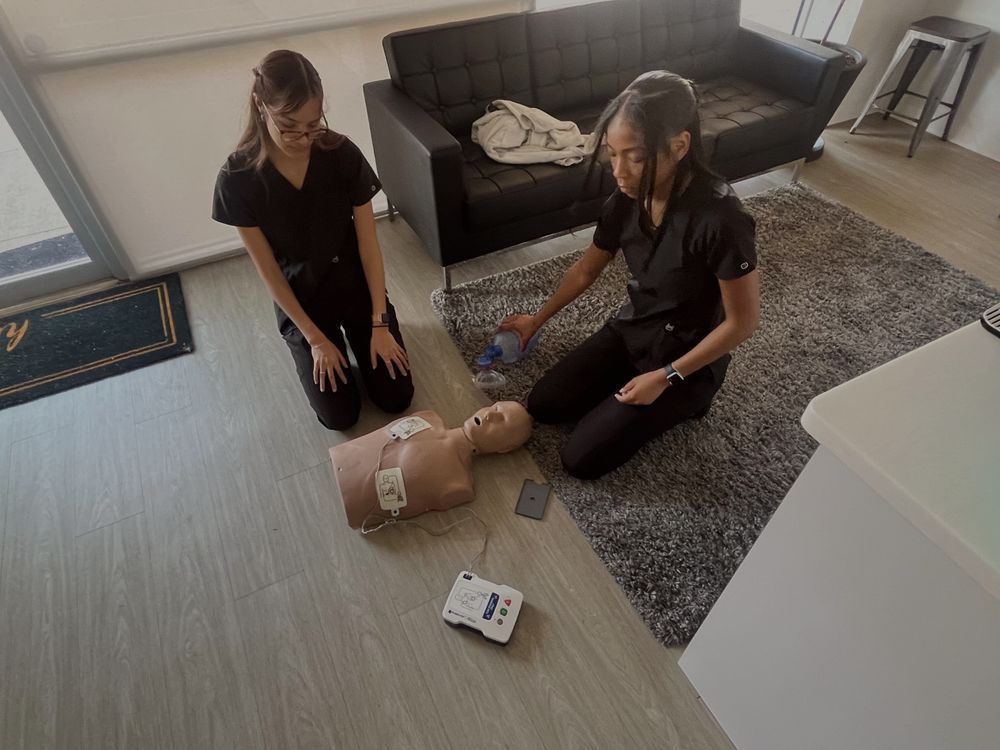
Look for a training path that offers both flexible online learning and in-person laboratory experience so you can build confidence in real clinical scenarios. Programs like Pulse Medical Assistant School’s online-first, 16-week format are designed for adult learners, career changers, and busy schedules. You learn core competencies such as phlebotomy, EKG administration, injections, vital signs, specimen collection, sterilization, patient communication, HIPAA compliance, and clinical documentation. Then, in-person labs ensure you apply these skills under the guidance of experienced instructors.
A medical assistant certification is one of the fastest ways to enter a high-demand healthcare career because it gives employers tangible proof that you’ve mastered essential competencies. Certification also opens doors to higher pay, stronger job stability, and future career mobility into specialties like dermatology, pediatrics, cardiology, fertility, or aesthetics. With today’s healthcare staffing shortages, trained medical assistants are in high demand—and certification helps you stand out immediately.
Step 2: Develop Strong Administrative and Clinical Skills
Once you begin training, the next step is building both the administrative and clinical skill sets that define the medical assistant role. Successful MAs are unique because they bridge the gap between front-office operations and hands-on patient care.
On the administrative side, you may learn skills such as:
Scheduling appointments
Updating and organizing electronic health records (EHRs)
Answering patient questions
Coordinating insurance paperwork
Managing patient check-in and check-out
These tasks help clinics run smoothly and allow medical teams to focus on treatment and diagnoses.
On the clinical side, your training will prepare you for:
Recording vital signs
Preparing patients for exams
Preparing patients for exams
Assisting physicians during procedures
Administering medications or injections (where permitted)
Collecting and processing lab specimens
Performing EKGs
Maintaining sterile environments
The most effective training programs use simulation, scenario-based learning, and hands-on labs to reinforce these skills. By the time you complete your program, you should feel confident interacting with patients, supporting clinical staff, and navigating a healthcare environment safely and professionally.
Step 3: Complete an Externship or Hands-On Clinical Experience
A medical assistant externship is a crucial step in turning classroom knowledge into workplace-ready experience. During an externship, you work inside a real medical office or clinic—shadowing professionals, completing supervised tasks, and gaining exposure to the pace of daily patient care.
Externships offer several benefits:
Real-World Experience
You learn how workflows function in actual clinics—how patients move through intake, triage, evaluation, diagnosis, and discharge.
Professional Connections
You interact with doctors, nurses, office managers, and medical assistants who can offer letters of recommendation, mentoring, or even job opportunities.
Resume-Boosting Practice
Externship hours are often listed as direct clinical experience on your resume, making you more competitive in the job market.
Confidence Before Employment
Practicing in a supervised environment helps you develop reassurance and competence before your first day on the job.
Most reputable programs arrange externships with trusted healthcare partners, giving students exposure to professional environments while reinforcing what they’ve already learned.
Step 4: Earn Your Medical Assistant Certification
While some states do not legally require certification, employers overwhelmingly prefer (and sometimes require) certified applicants. Certification validates your competency, shows your commitment to healthcare, and positions you for higher pay and long-term career growth.
Certification exams typically evaluate:
Patient care and safety
Anatomy and physiology
Clinical procedures
Laboratory testing
EKG and phlebotomy competencies
Infection control
Medical terminology
Healthcare regulations and documentation
A strong training program will prepare you directly for the exam, offering practice tests, exam prep modules, and instructor support. Once you earn your credential, you officially qualify for entry-level medical assistant roles across clinics, urgent care centers, private practices, and specialty facilities.
Step 5: Apply for Medical Assistant Jobs & Start Building Experience
After completing your education and certification, you’re ready to begin the job search. One of the advantages of medical assisting is just how many healthcare settings employ MAs. Your options are diverse and can align with your interests.
Common places to work include:
Common places to work include: Family medicine practices
Pediatric offices
Cardiology clinics
Dermatology practices
OB/GYN clinics
Urgent care centers
Surgical centers
Orthopedic and sports medicine clinics
Internal medicine offices
Community health clinics
When applying, highlight your clinical skills, externship experience, and certification. Employers especially value candidates who demonstrate professionalism, communication strengths, and a patient-first mindset.
Once you land your first role, you’ll begin building experience that can lead to specialization or future advancement. Many medical assistants stay in the field long-term, while others eventually pursue nursing, radiography, surgical technology, or healthcare administration.
Step 6: Continue Developing Your Skills for Career Growth
Step 6: Continue Developing Your Skills for Career Growth Your medical assistant journey doesn’t end with your first job. Healthcare is growing rapidly, and MAs who continue learning can unlock even more opportunities. Continued growth allows you to specialize, earn higher wages, and take on more responsibility.
Medical assistants often advance into specialized roles such as:
Medical assistants often advance into specialized roles such as:
Aesthetic medical assistant
Cardiology technician
OB/GYN assistant
Dermatology assistant
Phlebotomy technician
EKG technician
Others pursue leadership or administrative pathways, such as:
Lead medical assistant
Clinical operations coordinator
Patient care coordinator
Medical office manager
Continuing education—whether workshops, short courses, certifications, or advanced credentials—helps you stay competitive. The more you grow, the more options you have available, whether inside direct patient care or moving into broader healthcare careers.
Find a Career in Healthcare
Find a Career in Healthcare Becoming a medical assistant is one of the fastest, most flexible paths into healthcare. With no degree required and training that can be completed in just a few months, it’s a career path built for people who want to make a real difference. By following these six steps—training, skill development, clinical experience, certification, job searching, and long-term growth—you’ll be prepared to enter the field confident, capable, and ready to support patients and healthcare teams.
If you’re ready to take the first step toward a meaningful healthcare career, Pulse Medical Assistant School offers the perfect starting point. Pulse is an online-first, 16-week medical assistant program designed for busy adults who want flexible learning without sacrificing quality. With intensive, in-person labs, Pulse gives aspiring medical assistants the real-world experience and confidence to help real patients receive real care.
Start your journey today—with Pulse, you can build a career that makes an impact.
You're only a few months from the medical assistant career you deserve.